
Candida and PCOS: Is There a Gut Connection?
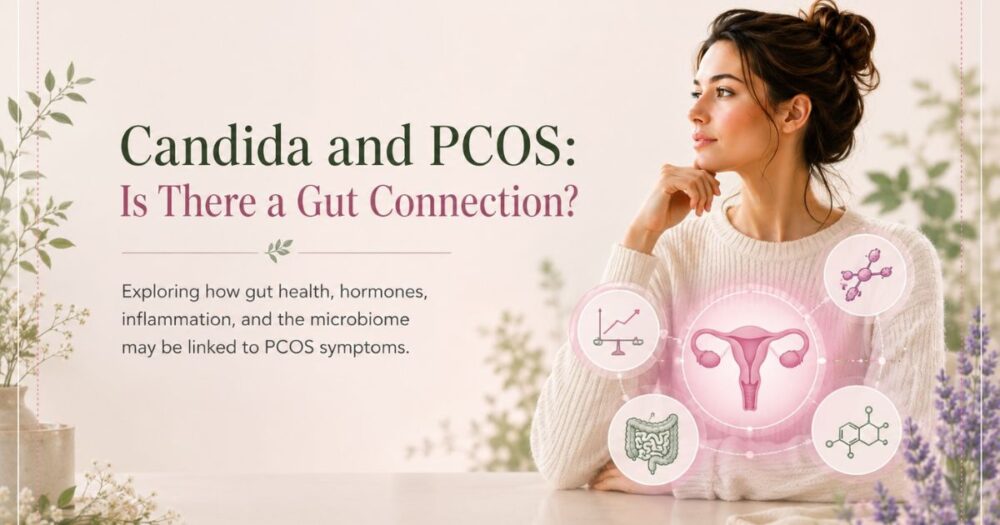
A question we’re often asked is whether there is a connection between PCOS and Candida?
Polycystic ovary syndrome (PCOS) is one of the most common hormonal conditions affecting women today.
For many women, PCOS symptoms go far beyond irregular periods alone. Fatigue, bloating, acne, weight struggles, sugar cravings, mood changes, digestive discomfort, and recurring vaginal infections can all become part of daily life.
As research into the gut microbiome continues to grow, many people are beginning to ask an important question:
Could there be a connection between Candida, gut health, and PCOS?
The answer is complicated.
There is currently no strong evidence proving Candida directly causes PCOS. However, growing research suggests that gut microbiome imbalance, inflammation, insulin resistance, and hormonal dysfunction may all interact together in ways that influence symptoms associated with PCOS.
In this article, we’ll explore the possible relationship between Candida and PCOS, the gut-hormone connection, and practical ways to support overall wellbeing naturally.
Key Takeaways
- Research indicates no direct evidence linking candida and PCOS, but gut health may influence PCOS symptoms.
- PCOS involves hormonal imbalances and can lead to a range of symptoms like insulin resistance and weight gain.
- Candida thrives in high-sugar environments, potentially complicating blood sugar regulation in women with PCOS.
- Supporting gut health through diet and stress management can enhance hormonal balance and overall wellbeing.
- Changes in the vaginal microbiome in women with PCOS may contribute to an increased risk of infections.
Estimated reading time: 7 minutes
What Is PCOS?
Polycystic ovary syndrome (PCOS) is a complex hormonal and metabolic condition that affects women of reproductive age.
Common symptoms may include:
- Irregular periods
- Acne
- Weight gain
- Excess hair growth
- Fatigue
- Insulin resistance
- Fertility challenges
- Mood changes
- Sugar cravings
PCOS is often linked with elevated androgen levels, insulin resistance, inflammation, and metabolic dysfunction.
However, researchers now believe the gut microbiome may also play an important role in PCOS development and symptom severity.
What Is Candida?
Candida is a naturally occurring yeast that normally lives inside the digestive tract, mouth, skin, and vaginal area in small amounts. In healthy balance, it usually causes no problems.
However, factors such as stress, antibiotics, high-sugar diets, poor sleep, and gut microbiome disruption may contribute to candida overgrowth in some individuals.
Some people report symptoms such as:
- Bloating
- Fatigue
- Sugar cravings
- Brain fog
- Digestive discomfort
- Skin irritation
- Recurring yeast infections
If you’d like a deeper explanation of candida overgrowth, its symptoms, and how it develops, our guide explores the topic in more detail.
The Gut-PCOS Connection
Researchers continue exploring the relationship between PCOS and the gut microbiome.
Several studies have found that women with PCOS may have altered gut microbiota diversity and increased inflammatory activity compared with healthy controls. (PMC)
This growing area of research suggests gut imbalance may influence:
- Inflammation
- Insulin resistance
- Hormone regulation
- Weight management
- Blood sugar balance
- Immune function
Several reviews have explored the relationship between the gut microbiome and PCOS, suggesting that microbial diversity may influence inflammation, insulin sensitivity, and hormone regulation.
While the science is still evolving, many researchers now believe the gut may play a larger role in hormonal health than previously understood.
Candida, Sugar Cravings, and Insulin Resistance
One major overlap between candida and pcos involves blood sugar regulation.
Many women with PCOS experience insulin resistance, where the body becomes less responsive to insulin. This can contribute to:
- Energy crashes
- Increased hunger
- Weight gain
- Sugar cravings
- Hormonal imbalance
At the same time, diets high in refined sugars may influence both blood sugar regulation and the balance of the gut microbiome.
For some individuals, this may contribute to a cycle in which:
- Blood sugar becomes unstable
- Cravings increase
- Highly processed foods increase
- Gut imbalance worsens
- Inflammation rises
Supporting stable blood sugar through balanced meals, fibre, protein, and reduced processed sugar intake may help support both gut and hormonal health.
Inflammation and the Microbiome
Low-grade chronic inflammation is commonly discussed in PCOS research.
Gut dysbiosis — an imbalance in gut microbes — may contribute to inflammatory signalling within the body. Researchers are continuing to investigate how gut permeability, inflammation, and microbial imbalance may influence insulin resistance and hormone function in PCOS. (Frontiers)
Some women with PCOS also report:
- Digestive bloating
- Food sensitivities
- Skin flare-ups
- Fatigue
- Vaginal yeast infections
While these symptoms do not confirm Candida overgrowth, they may suggest the gut deserves more attention as part of a broader wellness approach.
PCOS and Vaginal Microbiome Changes
Research has also explored changes in the vaginal microbiome in women with PCOS.
Some studies suggest women with PCOS may experience altered vaginal microbial balance and reduced Lactobacillus species, which may increase susceptibility to infections such as bacterial vaginosis and vulvovaginal candidiasis in some individuals. (PMC)
This does not mean every woman with PCOS has Candida overgrowth.
However, it highlights how hormonal changes and microbial balance may influence each other in complex ways.
Can Candida Cause PCOS?
At this stage, there is no strong evidence proving Candida directly causes PCOS.
PCOS is considered a complex condition involving genetics, hormones, metabolism, insulin resistance, inflammation, and environmental factors.
However, gut imbalance and microbial disruption may contribute to inflammatory and metabolic changes that overlap with PCOS symptoms in some individuals.
The relationship is likely indirect and highly individual.
Supporting Gut and Hormonal Health Naturally
Looking after gut health may also contribute to overall hormonal wellbeing.
Helpful strategies may include:
Reducing Excess Sugar
Limiting highly processed foods and excess sugar may help support blood sugar balance and microbial health.
Eating More Whole Foods
Focus on:
- Vegetables
- Fibre
- Protein
- Healthy fats
- Whole foods
Balanced meals may help support stable energy and hormone regulation.
Supporting the Microbiome
Some people choose probiotics as part of their broader wellness routine.
The Yeastrix Daily Probiotic contains multiple probiotic strains designed to support digestive and microbiome health.
Managing Stress
Stress may affect cortisol, blood sugar balance, sleep quality, digestion, and inflammation.
Gentle movement, proper rest, sunlight, and nervous system support may all help.
When to Seek Professional Help
PCOS symptoms should always be properly assessed by a healthcare professional.
Seek medical advice if you experience:
- Irregular or absent periods
- Significant fatigue
- Fertility concerns
- Persistent digestive symptoms
- Sudden weight changes
- Severe acne or excess hair growth
- Recurrent vaginal infections
Many health conditions can cause similar symptoms, so proper testing and guidance are important.
Final Thoughts
The connection between candida and pcos is complex, and research is still evolving.
While Candida itself may not directly cause PCOS, growing evidence suggests the gut microbiome, inflammation, insulin resistance, and hormone regulation are deeply interconnected.
For some women, supporting digestive health, reducing excess sugar, managing stress, and improving microbiome balance may help support overall wellbeing alongside conventional medical care.
Sometimes hormonal symptoms are not just about hormones alone.
The gut may also be part of the conversation.
FAQ Questions and Answers
There is currently no strong evidence proving Candida directly causes PCOS. However, gut imbalance, inflammation, and microbial disruption may contribute to symptoms associated with hormonal and metabolic dysfunction.
Growing research suggests the gut microbiome may play an important role in inflammation, insulin resistance, and hormone regulation in women with PCOS. (PMC)
Some research suggests hormonal changes, altered vaginal microbiome balance, insulin resistance, and inflammation may increase susceptibility to vaginal infections in some women with PCOS. (PMC)
Some studies suggest probiotics and microbiome support may help support digestive health and overall wellbeing in women with PCOS as part of a broader wellness approach.
High sugar intake may contribute to blood sugar instability, insulin resistance, inflammation, and microbial imbalance, which may affect both PCOS symptoms and Candida-related symptoms in some individuals.
Read more like this:
Disclaimer: This article is intended for educational and informational purposes only and is not a substitute for professional medical advice, diagnosis, or treatment. Always consult with a qualified healthcare provider before starting any new treatment or supplement, especially if you have a pre-existing medical condition or are taking medication. The recommendations here reflect a naturopathic approach and are not meant to replace conventional care when it is required. Individual results may vary.