Hormones and Candida: The Hidden Connection

Hormones can feel incredibly confusing.
One week you feel energetic and clear-headed. The next, you may feel bloated, emotional, exhausted, anxious, or desperately craving sugar. Many people are told these symptoms are simply part of stress, aging, PMS, menopause, or modern life.
But what if there is another piece to the puzzle?
Researchers are increasingly exploring the relationship between hormones, the gut microbiome, the immune system, and Candida as part of the body’s interconnected systems. While hormonal changes may influence the environment in which Candida naturally lives, gut microbial imbalance—including Candida overgrowth in susceptible individuals—may contribute to digestive dysfunction, inflammation, and symptoms that can make hormonal changes feel more difficult to manage.
This is where the gut often becomes the missing link.
Your digestive system does far more than break down food. The gut helps regulate immunity, inflammation, nutrient absorption, detoxification, and even hormone metabolism. When the gut microbiome becomes disrupted, problems can begin to ripple throughout the entire body.
In this article, we’ll explore the hidden connection between hormones and Candida, how gut health may influence hormonal balance, and practical ways to support your body naturally.
Key Takeaways
- Hormones, the gut microbiome, and Candida interact in complex ways.
- Hormonal changes may influence the environment in which Candida naturally lives, potentially affecting microbial balance in susceptible individuals.
- Gut health plays an important role in hormone metabolism, immune function, and inflammation.
- Lifestyle factors such as stress, sleep, nutrition, and blood sugar regulation can affect both hormone and digestive health.
- Supporting the gut microbiome may help promote overall wellbeing.
Estimated reading time: 12 minutes
What Is Candida Overgrowth?
Candida is a type of yeast that naturally lives inside the body. In healthy amounts, it usually causes no problems. Candida can normally be found in the digestive tract, mouth, skin, and vaginal area.
Factors that may increase the likelihood of Candida overgrowth
This overgrowth may occur after:
- Repeated antibiotic use
- High sugar diets
- Chronic stress
- Poor sleep
- Hormonal changes
- Steroid medications
- Immune dysfunction
- Long-term digestive problems
When Candida overgrows, some people may experience symptoms such as:
- Bloating
- Gas and digestive discomfort
- Sugar cravings
- Brain fog
- Fatigue
- Skin irritation
- Vaginal thrush
- Oral thrush
- Mood swings
- Recurring yeast infections
Not everyone with these symptoms has Candida overgrowth. However, gut imbalance and microbial disruption may influence how the body functions overall. Read our full guide to Candida overgrowth and what you can do about it
Candida can affect different areas of the body, including the vagina, mouth and skin. It can also affect the skin around the anus, causing perianal candidiasis. If you’re experiencing persistent anal itching, burning, redness or irritation, our guide to Anal Yeast Infection (Perianal Candidiasis): Symptoms, Causes & Treatment explains how to distinguish Candida from hemorrhoids, dermatitis and other possible causes.
How Gut Health Affects Hormones
Many people think of hormones and the gut as separate systems.
In reality, they constantly communicate with one another.
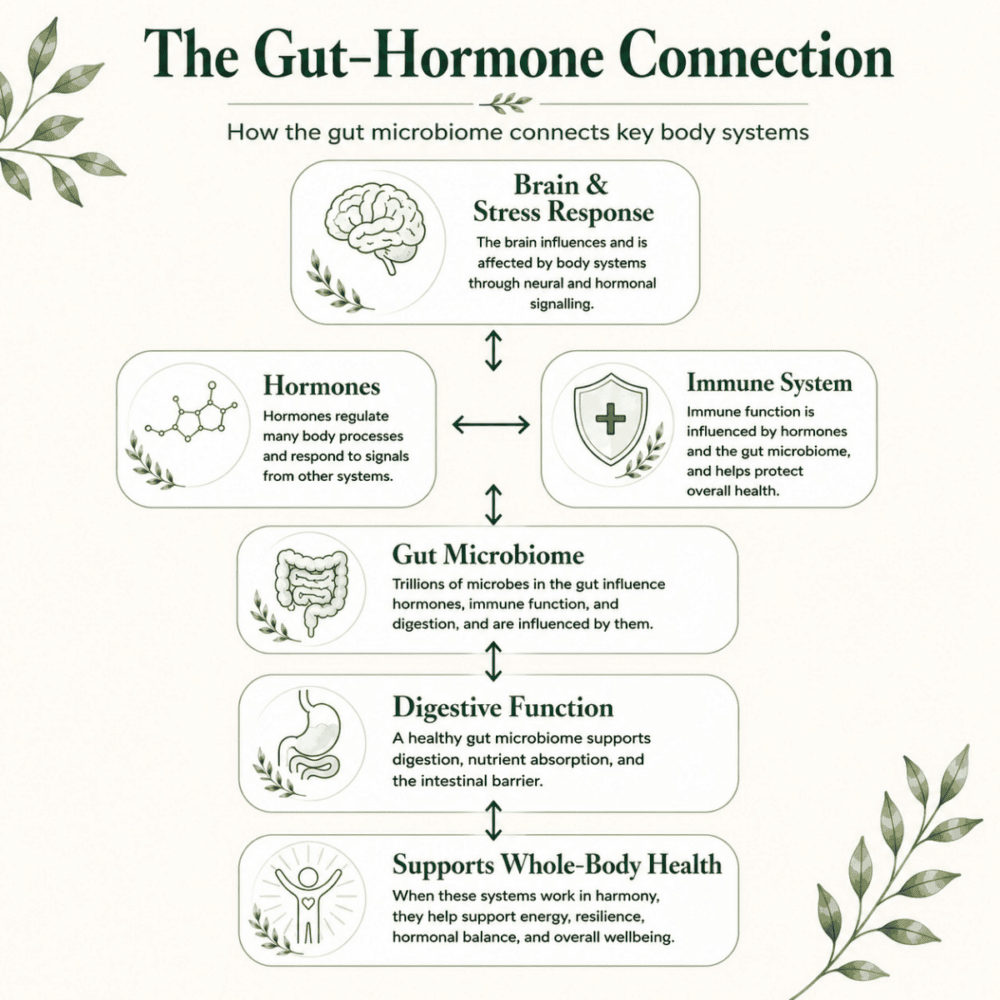
Your gut microbiome helps influence:
- Estrogen metabolism
- Cortisol balance
- Blood sugar regulation
- Inflammation levels
- Thyroid function
- Nutrient absorption
- Neurotransmitter production
When the digestive system becomes inflamed or imbalanced, hormone regulation may become more difficult.
The gut also plays a major role in detoxification. Hormones like estrogen must be properly broken down and removed from the body. This process relies on both the liver and the gut microbiome working together. If gut function slows down or certain bacteria become imbalanced, hormones may be poorly metabolised and re-circulated.
This may contribute to symptoms linked with hormonal imbalance.
Gut imbalance may also contribute to histamine intolerance, which can add another layer of symptoms that overlap with hormonal issues. Read more in our article on Histamine Intolerance and Candida: Are They Connected?
Estrogen and Candida
One of the most discussed connections involves estrogen.
Research has shown that higher estrogen levels may encourage Candida growth in some people. This may partly explain why some women notice worsening yeast infections:
- Before their period
- During pregnancy
- While taking hormonal contraceptives
- During perimenopause hormone shifts
At the same time, gut imbalance may also affect how estrogen is processed.
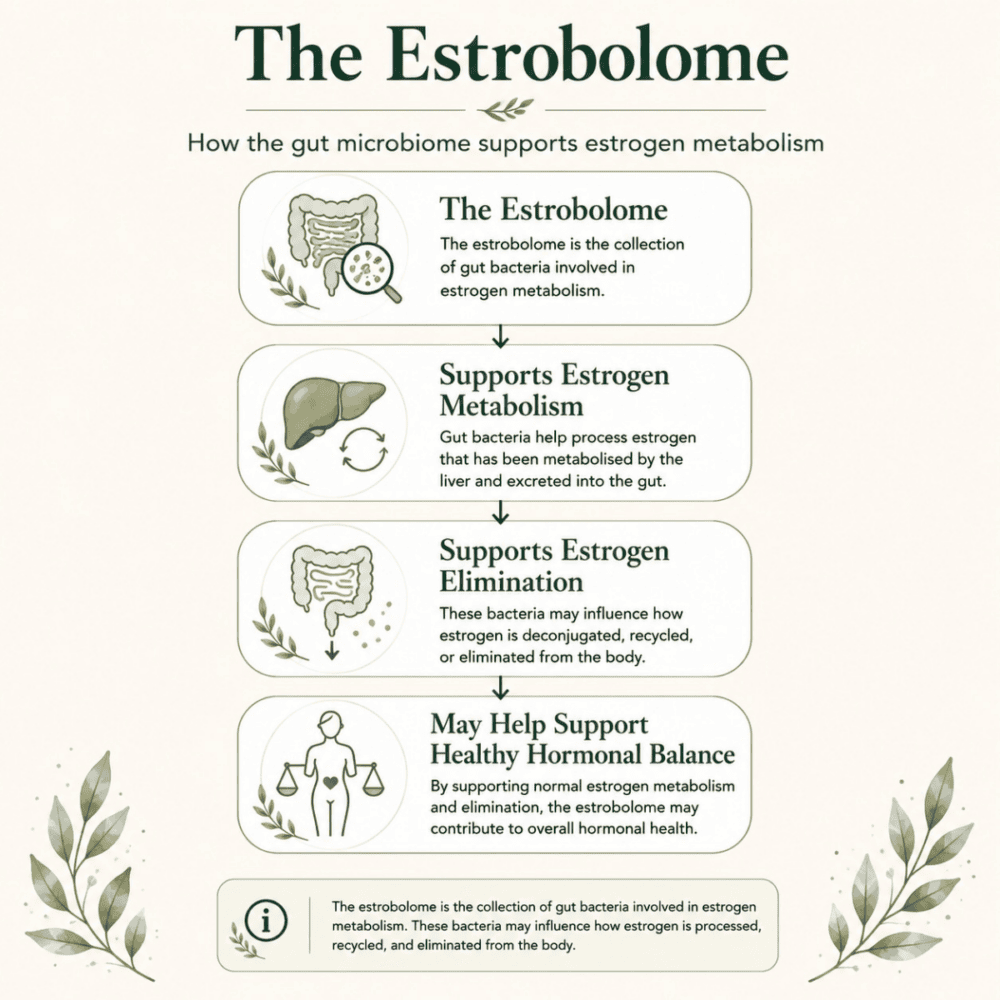
The estrobolome refers to the collection of gut bacteria involved in estrogen metabolism. These bacteria may influence how estrogen is metabolised, recycled, and eliminated. When the gut microbiome becomes disrupted, estrogen metabolism may also be affected.
This may contribute to symptoms such as:
- PMS
- Breast tenderness
- Heavy periods
- Mood swings
- Fluid retention
- Bloating
- Weight fluctuations
This does not mean Candida directly causes estrogen dominance. However, gut dysfunction, inflammation, and yeast overgrowth may all interact together. You may be interested to read our deep dive into Candida and estrogen dominance.
Women with PCOS may also notice a pattern between hormonal imbalance and digestive symptoms. To explore this further, see our article on Candida and PCOS: Is There a Gut Connection?
For those navigating midlife hormonal shifts, our article on Candida and Menopause: Why Symptoms Often Get Worse in Midlife explores this stage in more depth.
Cortisol, Stress, and Yeast Overgrowth
Stress can have a major effect on both hormones and gut health.
When the body is under constant stress, cortisol levels may remain elevated for long periods. Over time, chronic stress may influence:
- Blood sugar balance
- Digestion
- Sleep quality
- Immune function
- Inflammation
- Cravings
Many people notice their digestive symptoms worsen during stressful periods.
Stress may also contribute to lifestyle habits that feed imbalance, including:
- Increased sugar intake
- Poor sleep
- Skipping meals
- Increased caffeine or alcohol use
- Less exercise and movement
This creates a cycle where stress affects the gut, and gut symptoms increase physical and emotional stress in return.
At that point, it can start to feel like your body is working against you rather than with you.
To understand how this cycle develops and what you can do to break it, read our article on Candida and Cortisol: How Stress Fuels the Cycle.
Blood Sugar, Insulin, and Candida
Blood sugar imbalance may also play an important role.
Like many microorganisms, Candida can utilise sugars as an energy source. Diets high in refined sugars may also contribute to blood sugar instability and changes in the gut microbiome.
People dealing with blood sugar imbalance may experience:
- Energy crashes
- Irritability
- Cravings
- Hunger shortly after eating
- Difficulty losing weight
- Fatigue
Stabilising blood sugar through balanced meals, protein intake, fibre, and whole foods may help support both hormone health and digestive balance. For practical tips on managing this, see our guide on how to reduce sugar cravings on the Candida diet.
Thyroid Function and Gut Health
The thyroid and gut are closely connected.
The gut helps absorb nutrients needed for healthy thyroid function, including:
- Selenium
- Zinc
- Iron
- B vitamins
- Iodine
When digestion becomes impaired, nutrient absorption may suffer.
Inflammation and chronic gut dysfunction may also increase physical stress on the body overall. Some people with thyroid-related symptoms also report bloating, constipation, food sensitivities, and digestive discomfort.
Again, this does not mean Candida directly causes thyroid disease. However, the relationship between the gut microbiome, immune system, and thyroid—often referred to as the gut–thyroid axis—is an increasingly active area of research.
If you’ve been diagnosed with Hashimoto’s thyroiditis, you may also enjoy our article Candida and Hashimoto’s: Understanding the Gut–Thyroid Connection helpful. It takes a look at what current research says about the gut-thyroid axis and autoimmune thyroid disease.
Signs Your Hormones and Gut May Be Out of Balance
Symptoms can vary from person to person. Some possible signs may include:
Digestive symptoms
- Digestive bloating
- Sugar cravings
- Food sensitivities
Hormonal & menstrual symptoms
- Recurring vaginal thrush
- Vaginitis
- PMS symptoms
- Irregular periods
Energy & mental symptoms
- Fatigue
- Low energy
- Brain fog
- Mood swings
- Poor sleep
Skin & physical symptoms
- Skin flare-ups
- Acne — for a closer look, see Candida and Hormonal Acne: The Gut-Skin-Hormone Connection
- Weight fluctuations
These symptoms can overlap with many other health conditions, which is why proper medical assessment is important. Explore how Candida may affect your hormones.
Can Candida Cause Hormonal Symptoms?
This is where things become more nuanced.
Candida itself may not directly “cause” hormonal imbalance in every case. However, Candida overgrowth may contribute to inflammation, digestive dysfunction, stress on the immune system, and microbiome disruption.
All of these may indirectly influence how the body regulates hormones.
At the same time, hormonal fluctuations may also create conditions that make yeast overgrowth more likely.
This is why many practitioners now view the relationship as a two-way interaction rather than a simple cause-and-effect situation.
Learn why hormonal changes can trigger Candida symptoms.
Supporting Hormone and Gut Health Naturally
Improving gut health may help support the body’s natural hormone regulation processes.
Some helpful strategies may include:
Eat a More Balanced Diet
Focus on:
- Vegetables
- Fibre-rich foods
- Lean protein
- Healthy fats
- Fermented foods if tolerated
- Reducing excess sugar and processed foods
Balanced meals may help support blood sugar stability and digestive health.
Prioritise Sleep
Poor sleep can disrupt cortisol, cravings, mood, and appetite regulation.
Aim for consistent sleep routines and reduced screen exposure before bed.
Reduce Chronic Stress
Gentle movement, time outdoors, mindfulness, journaling, stretching, and social connection may all help calm the nervous system.
You do not need to become a perfect Zen monk living on a mountain somewhere.
Even small changes can help.
Support the Gut Microbiome
A healthy microbiome may help support digestive balance and immune function.
Eating a variety of plant-based foods, including vegetables, legumes, and wholegrains, can help feed beneficial gut bacteria naturally. Diversity in the diet tends to support diversity in the microbiome.
Fermented foods such as yoghurt, kefir, sauerkraut, and kimchi may also help introduce beneficial bacteria through diet alone.
Some people choose to use probiotics as part of their wellness routine. The Yeastrix Daily Probiotic contains multiple probiotic strains designed to support digestive and microbiome health.
Some people may also choose broader digestive support products such as Yeastrix Candida Cleanse as part of a practitioner-guided wellness plan.
Dietary supplements are intended to complement, not replace, healthy lifestyle habits and appropriate medical care.
When to Seek Professional Help
Persistent hormonal symptoms should never be ignored.
Speak with a qualified healthcare professional if you experience:
- Severe fatigue
- Ongoing digestive symptoms
- Significant menstrual changes
- Persistent vaginal infections
- Unexplained weight changes
- Thyroid concerns
- Ongoing pain or inflammation
Proper testing and professional guidance can help rule out underlying medical conditions.
Final Thoughts
Rather than asking whether hormones cause Candida—or whether Candida causes hormonal imbalance—it may be more helpful to ask how the body’s interconnected systems influence one another.
The gut microbiome, immune system, hormones, metabolism, stress response, and nutrition are constantly communicating.
Looking after one often benefits the others.
Supporting gut health through balanced nutrition, good sleep, stress management, regular movement, and evidence-informed healthcare offers a practical foundation for long-term wellbeing.
Frequently Asked Questions
Hormones and Candida
Candida overgrowth may indirectly influence hormones by contributing to inflammation, gut imbalance, stress on the immune system, and digestive dysfunction. Since the gut plays an important role in hormone metabolism and detoxification, poor gut health may affect how hormones are regulated in the body.
Candida is most commonly discussed alongside estrogen, cortisol, insulin, and thyroid hormones. Hormonal fluctuations may influence yeast growth, while gut imbalance associated with Candida may also affect hormone regulation.
Supporting hormone balance naturally may involve improving gut health, reducing excess sugar intake, managing stress, prioritising sleep, eating balanced meals, and supporting the microbiome through diet and lifestyle habits.
Some people with gut imbalance or suspected Candida overgrowth report symptoms such as fatigue, poor concentration, and brain fog. However, these symptoms can have many possible causes, so proper medical assessment is important.
Stress, PMS, and Hormonal Changes
Chronic stress may contribute to Candida overgrowth by affecting cortisol levels, digestion, sleep, immunity, and blood sugar balance. Stress may also increase sugar cravings and lifestyle habits that disrupt gut health.
Candida itself may not directly cause PMS, but gut imbalance and inflammation may contribute to symptoms such as bloating, mood swings, cravings, fatigue, and discomfort that overlap with hormonal changes.
Hormonal fluctuations before menstruation may alter the vaginal environment and potentially encourage Candida growth in some people. Changes in estrogen levels may be one contributing factor.
Hormonal changes during perimenopause and menopause may influence the balance of bacteria and yeast in the body. Some people notice changes in vaginal health, digestion, or yeast-related symptoms during this stage of life.
Gut Health and Hormone Balance
The gut microbiome helps regulate inflammation, detoxification, nutrient absorption, and hormone metabolism. When gut health becomes disrupted, hormone balance may also be affected.
Probiotics may help support a healthier gut microbiome, which plays an important role in digestion, immunity, and hormone regulation. Some people choose probiotic supplements as part of a broader wellness plan for digestive and hormonal support. If you’re specifically looking at probiotics for recurrent vaginal yeast infections, read our evidence-based guide to Probiotics for Yeast Infections.
Want to explore the bigger picture? Read our comprehensive guide to Yeast Infections: Causes, Symptoms, Treatment & Natural Support to understand how hormonal changes interact with other factors that can influence yeast infections.
References
- Baker JM, Al-Nakkash L, Herbst-Kralovetz MM. Estrogen–gut microbiome interactions: physiological and clinical implications. Maturitas. 2017.
- Kwa M, Plottel CS, Blaser MJ, Adams S. The intestinal microbiome and estrogen receptor-positive female breast cancer. Journal of the National Cancer Institute. 2016.
- Conlon, M. A., & Bird, A. R. (2014). The impact of diet and lifestyle on gut microbiota and human health. Nutrients, 7(1), 17–44.
- Cryan, J. F., O’Riordan, K. J., Cowan, C. S. M., Sandhu, K. V., Bastiaanssen, T. F. S., Boehme, M., Codagnone, M. G., Cussotto, S., Fulling, C., Golubeva, A. V., Guzzetta, K. E., Jaggar, M., Long-Smith, C. M., Lyte, J. M., Martin, J. A., Molinero-Perez, A., Moloney, G., Morelli, E., Morillas, E., O’Connor, R., … Dinan, T. G. (2019). The Microbiota-Gut-Brain Axis. Physiological reviews, 99(4), 1877–2013.
- Sender R, Fuchs S, Milo R. Revised estimates for the number of human and bacterial cells in the body. PLoS Biology. 2016.
Continue Reading
Disclaimer: This article is for educational purposes only and is not intended to diagnose, treat, cure, or prevent any disease. Always seek advice from a qualified healthcare professional regarding any medical condition or symptoms.