Why Hormonal Changes Can Trigger Candida Symptoms

Why Hormones and Candida Symptoms May Be Connected
Many people notice that candida symptoms seem to flare at particular times in life.
For some, it happens before a menstrual cycle. Others notice changes during pregnancy, periods of high stress, perimenopause, or menopause. Some experience recurring vaginal yeast infections during times of hormonal fluctuation and begin wondering whether hormones and candida could somehow be connected.
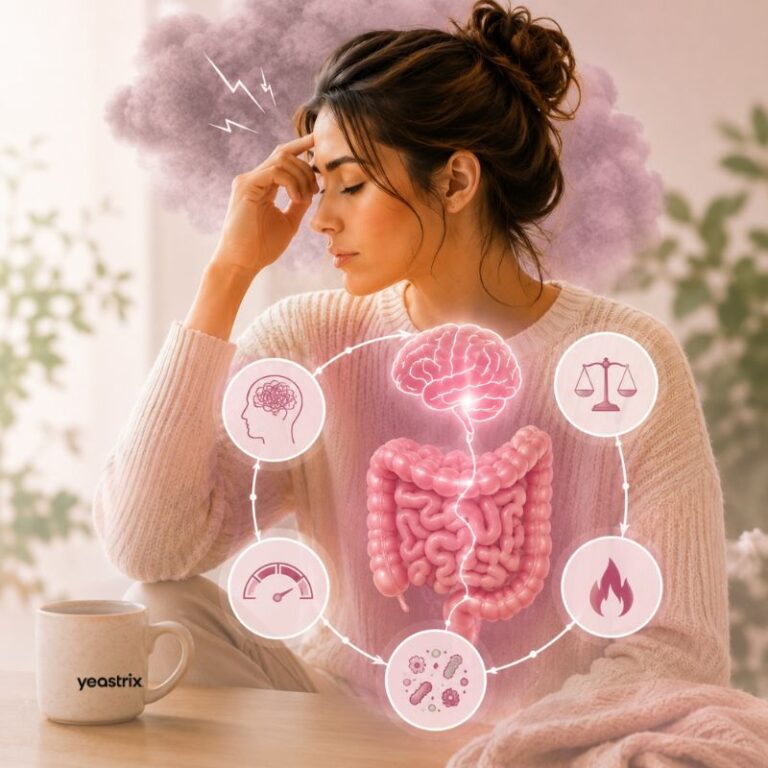
Research into this relationship is still developing, but scientists do know that hormones can influence the immune system, the vaginal microbiome, and overall microbial balance within the body.
That does not mean hormones directly “cause” candida overgrowth.
However, hormonal shifts may create conditions that influence how yeast behaves in certain individuals — particularly when combined with stress, antibiotics, blood sugar imbalances, digestive issues, or immune disruption.
If you’re new to the topic, our guide to Candida overgrowth explores how gut health, lifestyle factors, and microbial balance may interact more broadly.
Key Takeaways
- Hormonal changes can influence candida symptoms, especially during menstrual cycles, pregnancy, and menopause.
- Stress and hormonal fluctuations may impact the vaginal microbiome and immune system, affecting yeast behavior.
- Researchers continue to explore the complex relationship between hormones, the microbiome, and candida.
- A balanced lifestyle approach can support hormonal health and reduce candida-related symptoms effectively.
- Seeking medical advice for persistent symptoms is crucial to differentiate candida from other health conditions.
Estimated reading time: 8 minutes
What Is Candida?
Candida is a type of yeast naturally found in the body, including the mouth, digestive tract, skin, and vaginal area.
In healthy amounts, candida typically exists alongside beneficial bacteria without causing problems.
However, some practitioners believe certain factors may contribute to microbial imbalance in susceptible individuals, including:
- Antibiotic use
- Chronic stress
- High-sugar diets
- Poor sleep
- Hormonal fluctuations
- Immune dysfunction
- Ongoing digestive imbalance
Because hormones influence several body systems involved in immune and microbial regulation, researchers continue studying how hormonal changes may affect yeast balance.
How Hormones Influence the Microbiome
Hormones and the microbiome appear to have a close relationship.
Changes in hormone levels may influence:
- Vaginal pH balance
- Immune system activity
- Blood sugar regulation
- Inflammation
- Mucosal barrier function
- Microbial diversity
Estrogen, in particular, has been widely studied for its effects on the vaginal environment.
Some research suggests estrogen may influence glycogen levels within vaginal tissues, which may in turn affect microbial activity and yeast growth patterns.
This is one reason some women report increased yeast-related symptoms at certain stages of the menstrual cycle or during pregnancy.
Menstrual Cycles and Candida Symptoms
Many women notice digestive changes, bloating, cravings, fatigue, or vaginal discomfort at different points during their cycle.
Hormonal fluctuations involving estrogen and progesterone may influence:
- Fluid retention
- Blood sugar changes
- Immune responses
- Mood and stress resilience
- Vaginal microbiome balance
For some individuals, these shifts may coincide with increased yeast-related symptoms or irritation.
That does not necessarily mean candida is the sole cause of symptoms. Hormonal fluctuations themselves can produce many overlapping symptoms, including bloating, fatigue, skin changes, and mood disturbances.
Still, it helps explain why some people notice recurring patterns month after month.
Pregnancy, Hormones, and Yeast Balance
Pregnancy involves major hormonal and immune changes.
During pregnancy, the body naturally undergoes shifts that help support both maternal health and fetal development. These changes may also influence the vaginal microbiome and microbial balance.
Some women experience an increased tendency toward vaginal yeast infections during pregnancy, which researchers believe may partly relate to hormonal and environmental changes within the body.
Proper medical care is especially important during pregnancy, and any persistent symptoms should always be discussed with a healthcare professional.
Perimenopause and Menopause
Hormonal changes during perimenopause and menopause may also influence vaginal and digestive health.
As estrogen levels decline, some women may experience:
- Vaginal dryness
- Changes in vaginal pH
- Increased irritation
- Urinary discomfort
- Digestive changes
- Shifts in microbiome balance
At the same time, stress, sleep disruption, and changing metabolic health may also affect overall wellbeing.
This stage of life can sometimes feel confusing because symptoms often overlap across multiple systems within the body.
Our article on Hormones and Candida explores this relationship between hormones, digestion, stress, and microbial balance in greater detail.
Stress Hormones and Candida Symptoms
Stress may be one of the most overlooked parts of the conversation.
When the body experiences prolonged stress:
- Sleep quality may decline
- Blood sugar balance may become less stable
- Digestive function may slow down
- Inflammation may increase
- Immune resilience may be affected
Over time, this may influence gut health and microbial balance.
Many people notice candida-related symptoms appearing or worsening during periods of burnout, emotional stress, illness, or major life changes.
Supporting the nervous system and overall wellbeing may therefore be an important part of supporting digestive and hormonal health more broadly.
Learn more about the connection between stress and gut health in our article, Candida and Cortisol: How Stress Fuels the Cycle
Supporting Hormonal and Microbiome Health Naturally
Some people also choose to support their digestive health with targeted supplements alongside dietary and lifestyle changes. Ingredients such as oregano leaf, garlic, caprylic acid, and probiotics have been widely studied for their role in supporting a healthy gut microbiome.
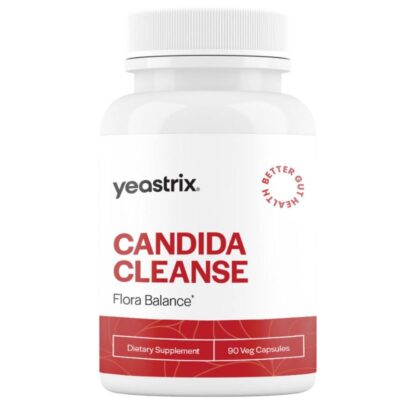
Yeastrix Candida Cleanse combines a carefully selected blend of botanical ingredients designed to support digestive health and microbial balance as part of a healthy lifestyle.
A balanced lifestyle approach may help support overall microbial and hormonal wellness.
Helpful strategies may include:
- Prioritising sleep
- Managing stress levels
- Eating a balanced whole-food diet
- Supporting stable blood sugar levels
- Including fibre-rich foods
- Supporting digestive health
- Avoiding unnecessary antibiotic use where possible
- Working with qualified healthcare professionals
Yeastrix Candida Cleanse is formulated to help support digestive balance and healthy microbial wellness as part of a balanced lifestyle approach.
Avoid Fear-Based “Hormone Detox” Messaging
Online wellness advice can sometimes make hormones sound like a daily battlefield.
In reality, the body is constantly adapting and responding to internal and external changes.
Extreme detoxes, highly restrictive diets, or aggressive supplement protocols are not always necessary — and in some cases may create additional stress.
A calmer, more sustainable approach to supporting gut and hormone health is often more realistic long-term.
When to Seek Medical Advice
Persistent symptoms such as vaginal irritation, unusual discharge, pelvic discomfort, digestive problems, fatigue, or significant hormonal symptoms should always be properly assessed by a healthcare professional.
Conditions such as bacterial vaginosis, sexually transmitted infections, hormonal disorders, IBS, thyroid conditions, diabetes, skin disorders, and nutrient deficiencies may produce symptoms similar to those often attributed to candida.
Conditions such as bacterial vaginosis, sexually transmitted infections, hormonal disorders, IBS, thyroid conditions, diabetes, skin disorders, and nutrient deficiencies may produce symptoms similar to those often attributed to Candida. Because many conditions overlap, it’s important not to assume Candida is the cause without appropriate assessment.
If symptoms keep returning or the diagnosis is unclear, our guide to Candida Testing: How to Test for Candida and Choose the Right Test explains the tests that may be recommended, when they’re useful, and why identifying the underlying cause is often more important than guessing.
Final Thoughts
Hormonal changes may influence candida symptoms in some individuals, particularly through their effects on the immune system, vaginal environment, stress responses, and microbiome balance.
However, the relationship is complex and still being researched.
Rather than viewing hormones or candida as isolated problems, it may be more helpful to consider the body as an interconnected system involving digestion, stress, immunity, sleep, nutrition, and microbial health.
Small, consistent lifestyle support often goes further than extreme approaches driven by fear or frustration.
FAQs
Hormonal fluctuations may influence the vaginal microbiome, immune activity, and microbial balance in some individuals, which may contribute to increased candida-related symptoms.
Hormonal changes during the menstrual cycle may affect vaginal pH, immune responses, and microbial balance, potentially influencing yeast activity in some women.
Changes in estrogen levels during perimenopause and menopause may influence vaginal health, dryness, irritation, and microbiome balance.
Chronic stress may influence digestion, immune function, inflammation, and blood sugar regulation, which may indirectly affect microbial balance.
Extreme detox approaches are generally not recommended. A balanced lifestyle approach focused on sleep, stress management, nutrition, and professional healthcare guidance is usually more sustainable.
Read More
This article is intended for educational and informational purposes only and is not a substitute for professional medical advice, diagnosis, or treatment. Always consult with a qualified healthcare provider before starting any new treatment or supplement, especially if you have a pre-existing medical condition or are taking medication. The recommendations here reflect a naturopathic approach and are not meant to replace conventional care when it is required. Individual results may vary.