Berberine for Candida: Benefits, Research & Gut Health Support
Berberine for Candida: Traditional Botanical Support for Gut Health
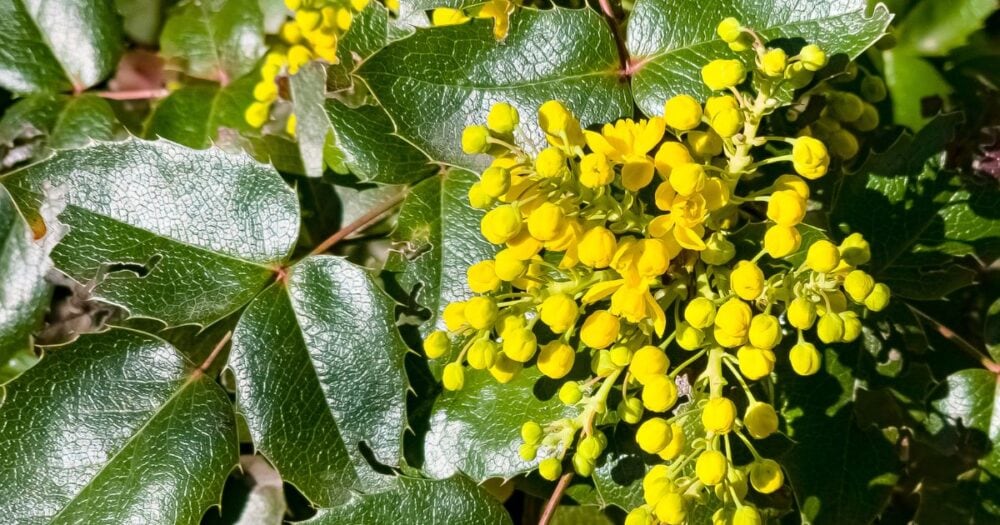
Berberine hydrochloride (Berberine HCl) is the form of berberine commonly used in dietary supplements, including the Yeastrix Candida Cleanse. Berberine itself is a naturally occurring plant alkaloid found in several medicinal plants, including Oregon grape (Mahonia aquifolium), barberry (Berberis vulgaris), goldenseal (Hydrastis canadensis), and Chinese goldthread (Coptis chinensis). The hydrochloride salt provides a stable form of the naturally occurring compound for use in dietary supplements.
Laboratory studies have found that berberine has antifungal activity against Candida albicans and may affect fungal biofilm formation. Berberine has also been investigated for its potential effects on the gut microbiome.
Rather than acting as a standalone solution, berberine is commonly included in comprehensive gut health programmes alongside dietary changes and other complementary botanical ingredients that support digestion and a healthy gut environment.
If you’re new to this topic, it helps to understand what Candida overgrowth is, why it develops, and how restoring digestive health may support long-term microbial balance.
Quick Answer
Berberine is a naturally occurring plant alkaloid extracted from several medicinal plants, including Oregon grape and barberry. Laboratory studies have demonstrated antifungal activity against Candida albicans and suggest berberine may also influence microbial biofilms and the gut microbiome. While more human clinical research is needed, berberine is commonly included in comprehensive gut health programmes because of its broad botanical activity alongside other complementary ingredients.
Key Takeaways
- Berberine is a naturally occurring plant alkaloid found in several traditional medicinal plants.
- Laboratory studies have demonstrated antifungal activity against Candida albicans and other microorganisms.
- Berberine has attracted scientific interest for its potential effects on microbial balance and digestive health.
- It is one of the 14 carefully selected ingredients in the Yeastrix Candida Cleanse.
- More human clinical research is needed to fully understand its effects.
Estimated reading time: 10 minutes
🧪 Research Snapshot
Laboratory studies have found that berberine demonstrates antifungal activity against Candida albicans, including effects on fungal cell membranes, biofilm formation, and drug-resistant Candida strains under laboratory conditions. Researchers have also investigated berberine for its potential influence on the gut microbiome and digestive health. Although these findings are promising, more high-quality human clinical studies are needed before firm conclusions can be drawn.
What Is Berberine?
Berberine is the naturally occurring plant alkaloid found in medicinal plants such as Oregon grape (Mahonia aquifolium), barberry (Berberis vulgaris), goldenseal (Hydrastis canadensis), and Chinese goldthread (Coptis chinensis). Berberine hydrochloride (Berberine HCl), the form used in many dietary supplements including the Yeastrix Candida Cleanse, is a stable supplemental form of this naturally occurring compound.
Unlike many herbal ingredients, berberine is not the plant itself—it is one of the naturally occurring bioactive compounds extracted from these plants. It is instantly recognisable by its bright yellow colour, which has traditionally been used as a natural dye as well as a medicinal compound.
Modern laboratory research has attracted interest because berberine has demonstrated:
- Antimicrobial activity against bacteria and fungi in laboratory studies
- Antifungal activity against Candida albicans
- Potential effects on microbial biofilms
- Interactions with the gut microbiome
- Antioxidant and anti-inflammatory properties
Although these findings are encouraging, many of the proposed benefits are based on laboratory and preclinical research, and more human clinical studies are needed to confirm their significance.
How Is Berberine Being Studied for Candida?
1. Antifungal Activity in Laboratory Studies
Laboratory studies have shown that berberine has antifungal activity against Candida albicans. Researchers have investigated whether it may affect fungal cell membranes, interfere with normal cell function, and reduce yeast growth under laboratory conditions.
2. May Help Reduce Biofilm Formation
One reason berberine continues to attract scientific interest is its potential effect on Candida biofilms. Biofilms are protective communities that microorganisms produce to help them survive under challenging conditions.
Laboratory studies have found that berberine can reduce biofilm formation and decrease the viability of established Candida biofilms under laboratory conditions. Researchers have also investigated its potential role in improving activity against drug-resistant strains.
3. May Support a Healthy Gut Microbiome
Berberine has also been studied for its potential effects on the gut microbiome. Research suggests it may influence the balance of intestinal microorganisms and support digestive health, although the exact mechanisms are still being investigated.
Rather than simply acting as an antimicrobial compound, berberine appears to interact with the complex ecosystem of microbes that naturally live in the digestive tract. More human research is needed to understand these effects fully.
4. Provides Broad Botanical Support
Berberine has been investigated for a wide range of biological activities, including antimicrobial, antioxidant, and anti-inflammatory properties.
Rather than relying on a single mechanism, it provides another botanical component within the comprehensive formula.This diverse activity is one reason berberine continues to be widely researched and remains an important ingredient in many digestive health formulations.
Why We Included Berberine in Yeastrix Candida Cleanse
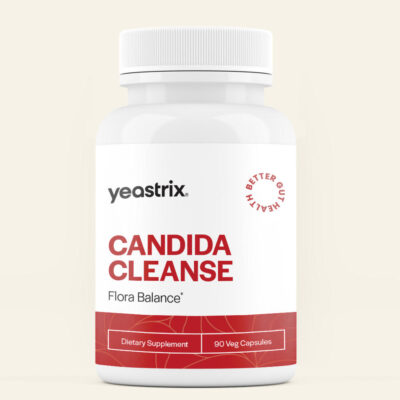
Every ingredient in the Yeastrix Candida Cleanse was selected to contribute a different type of support for digestive health and microbial balance.
Berberine hydrochloride (Berberine HCl) was selected because it provides a stable supplemental form of the naturally occurring plant alkaloid berberine. Berberine has attracted extensive scientific interest for its broad antimicrobial activity and its potential to support digestive health and microbial balance. Laboratory studies have demonstrated antifungal activity against Candida albicans, while researchers continue to investigate its effects on microbial balance, digestive health, and biofilm formation.
Within the formula, berberine complements the other ingredients by providing:
- Botanical compounds that have demonstrated antifungal activity in laboratory studies
- Plant compounds that have been investigated for their effects on microbial biofilms
- Potential support for a healthy gut microbiome
- Naturally occurring antioxidant plant compounds
- Additional diversity within the blend of complementary botanicals
Working alongside ingredients such as garlic, oregano leaf, olive leaf, black walnut, and caprylic acid, berberine contributes to the comprehensive nature of the Yeastrix Candida Cleanse.
Berberine is one of the 14 carefully selected ingredients in the Yeastrix Candida Cleanse. While it contributes a naturally occurring plant alkaloid that has been studied for its antimicrobial activity, the complete formulation also includes herbs, fatty acids, and digestive-support ingredients that work together to support digestion, microbial balance, and a healthy gut environment.
To see how every ingredient contributes to the formulation, read our complete guide to the Candida Cleanse Ingredients.
Common Misunderstandings About Berberine
Although berberine is one of the most extensively researched botanical compounds used in digestive health supplements, there are several common misunderstandings that may limit its value as part of a gut health programme.
Expecting berberine to work on its own. Berberine is generally used alongside other botanical ingredients, dietary changes, digestive support, probiotics, and healthy lifestyle habits rather than as a standalone solution.
Assuming laboratory research guarantees the same effects in people. Laboratory studies have demonstrated antifungal activity against Candida albicans and effects on microbial biofilms, but more high-quality human clinical research is needed before firm conclusions can be drawn.
Thinking berberine comes from a single plant. Berberine is a naturally occurring alkaloid found in several medicinal plants, including Oregon grape, barberry, goldenseal, and Chinese goldthread. Different plant sources and extraction methods may produce products with varying compositions.
Ignoring potential medication interactions. Berberine may interact with certain prescription medicines, particularly those used to manage blood sugar, blood pressure, or other chronic conditions. Speak with your healthcare provider before taking berberine if you use prescription medication.
Focusing only on berberine while overlooking digestive health. Supporting a healthy gut microbiome involves much more than taking one ingredient. A nutritious diet, healthy digestion, adequate sleep, hydration, and other lifestyle habits all contribute to maintaining microbial balance.
The bottom line: Berberine works best as one part of a comprehensive approach to supporting digestive health and microbial balance rather than as a single solution.
Is Berberine Safe?
Berberine has generally been well tolerated in studies, although digestive side effects can occur.The most commonly reported side effects are mild digestive symptoms such as nausea, abdominal discomfort, bloating, constipation, or diarrhoea, particularly when starting supplementation. These effects are usually temporary.
Speak with your healthcare provider before using berberine supplements if you:
- are pregnant or breastfeeding
- are taking medication for diabetes or blood sugar management
- are taking medication for blood pressure
- are taking cyclosporine or other prescription medications that may interact with berberine
- have an underlying medical condition and are unsure whether herbal supplements are appropriate
Because berberine may interact with several medications, it’s important to seek professional advice before combining it with prescription medicines. As always, follow the manufacturer’s recommended dosage and consult your healthcare provider if you have any concerns.
Frequently Asked Questions
Laboratory studies suggest that berberine has antifungal activity against Candida albicans and may influence fungal biofilm formation under laboratory conditions. However, most of the current evidence comes from laboratory research rather than human clinical trials. Berberine is generally used as part of a broader gut health programme rather than as a standalone treatment.
Berberine is a naturally occurring plant alkaloid found in several medicinal plants, including Oregon grape, barberry, goldenseal, and Chinese goldthread. It has been used in traditional herbal medicine for centuries and continues to attract scientific interest because of its broad antimicrobial activity and its potential role in supporting digestive health and microbial balance.
Berberine is commonly included in dietary supplements intended for daily use when taken according to the manufacturer’s directions. Because it may interact with certain medications, anyone who is pregnant, breastfeeding, has a medical condition, or takes prescription medicines should consult their healthcare provider before starting a new supplement.
No. Berberine is a naturally occurring plant alkaloid, while Oregon grape is one of several plants that naturally contain it. Berberine hydrochloride (Berberine HCl) is the stable supplemental form commonly used in dietary supplements, including the Yeastrix Candida Cleanse.
Berberine was selected because it contributes a naturally occurring plant alkaloid that complements the other ingredients in the Yeastrix Candida Cleanse. Together, the herbs, fatty acids, and digestive-support ingredients work as part of a comprehensive approach to supporting digestion, microbial balance, and a healthy gut environment.
Final Thoughts
Berberine is a well-researched plant compound that continues to attract scientific interest. It has been used in traditional herbal medicine for centuries and continues to attract scientific interest because of its broad antimicrobial activity and its potential to support digestive health and microbial balance. Laboratory studies have demonstrated antifungal activity against Candida albicans and suggest berberine may influence microbial biofilms and the gut microbiome, although more human clinical research is needed to fully understand these effects.
That’s why we’ve included berberine in the Yeastrix Candida Cleanse. Combined with 13 other carefully selected ingredients, berberine is part of a comprehensive formula designed to support digestive health, microbial balance and a healthy gut environment.
Looking for a comprehensive digestive health formula?
Yeastrix Candida Cleanse combines berberine with 13 other carefully selected ingredients that work together to support digestive health and maintain a balanced gut environment as part of a healthy lifestyle.
This article is intended for educational and informational purposes only and is not a substitute for professional medical advice, diagnosis, or treatment. Always consult with a qualified healthcare provider before starting any new treatment or supplement, especially if you have a pre-existing medical condition or are taking medication. The recommendations here reflect a naturopathic approach and are not meant to replace conventional care when it is required. Individual results may vary.