
Caprylic Acid Benefits: What the Research Says About Candida & Gut Health
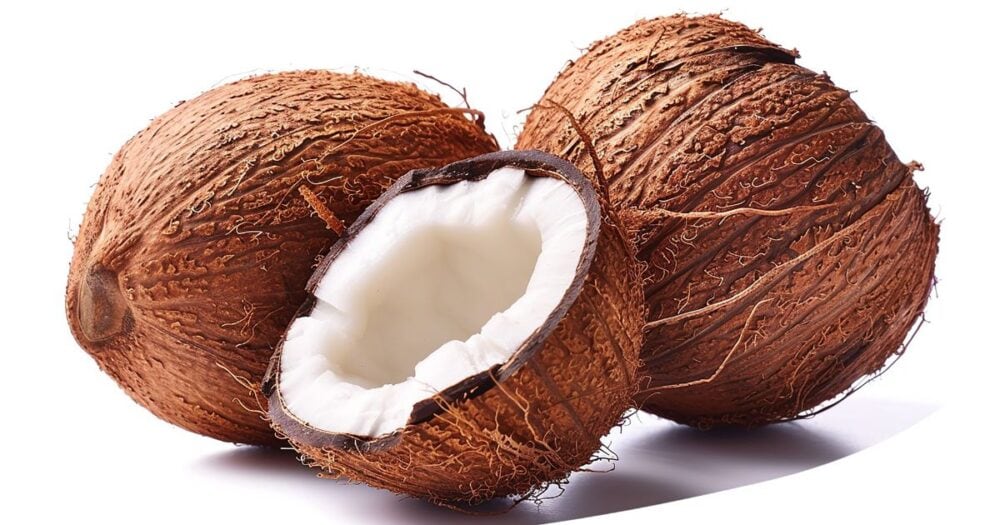
Caprylic acid is a naturally occurring medium-chain fatty acid found in foods such as coconut oil and dairy products. It has attracted scientific interest because laboratory studies suggest that caprylic acid can affect the cell membranes and other virulence-related processes of Candida albicans.
These findings help explain why caprylic acid has attracted interest as an ingredient in products designed to support Candida and gut health. However, it is important to distinguish laboratory research from clinical evidence. While studies conducted in the laboratory suggest that caprylic acid has antifungal properties, there is currently limited human clinical evidence showing that oral caprylic acid can treat Candida overgrowth.
Beyond Candida, caprylic acid is also being studied for its broader biological properties and potential role in digestive and metabolic health. As with many naturally occurring compounds, its effects depend on the amount consumed, how it is delivered, and the specific health outcome being studied.
In this evidence-based guide, we’ll explore the potential benefits of caprylic acid, how it works, what research says about Candida, its possible role in gut health, safety considerations, and why we include it in the Yeastrix Candida Cleanse formula.
Quick Answer: What Are the Benefits of Caprylic Acid?
Caprylic acid is a medium-chain fatty acid found naturally in foods including coconut oil and dairy products. Laboratory research suggests that it has antifungal activity against Candida albicans, including effects on fungal cell membranes and processes involved in Candida growth and virulence (Jadhav et al., 2017). While these findings are promising, most of the research has been conducted under laboratory conditions rather than in human clinical trials.
Key Takeaways
- Caprylic acid is a medium-chain fatty acid found naturally in foods such as coconut oil and dairy products.
- Laboratory research suggests caprylic acid has antifungal activity against Candida albicans, including effects on fungal cell membranes and processes involved in Candida growth and virulence. (Jadhav et al., 2017)
- Human clinical evidence is still limited, so laboratory findings should not be interpreted as proof that oral caprylic acid can treat Candida overgrowth.
- Potential benefits of caprylic acid are still being investigated, including its possible role in supporting gut health and maintaining a healthy microbial environment.
- Caprylic acid is one of several ingredients in Yeastrix Candida Cleanse, where it is combined with other botanicals and fatty acids as part of a broader gut health approach.
Estimated reading time: 13 minutes
What Is Caprylic Acid?
Caprylic acid, also known as octanoic acid, is a naturally occurring medium-chain fatty acid found in foods including coconut oil and dairy products. It belongs to a group of fats known as medium-chain fatty acids (MCFAs), which are generally absorbed and metabolised differently from longer-chain fatty acids (Lemarié et al., 2015).
Caprylic acid has attracted scientific interest because of its antimicrobial properties. Laboratory research has found that it can affect Candida albicans in several ways, including inhibiting processes involved in fungal growth, adhesion, biofilm formation, and the transition from yeast to hyphal forms (Jadhav et al., 2017). These findings provide a scientific basis for investigating caprylic acid as a potential ingredient for Candida support, although clinical research is still needed to determine how these laboratory findings translate to human supplementation.
Research has also investigated how caprylic acid interacts with fungal cell membranes. Experimental studies suggest that caprylic acid can disrupt membrane integrity, which may contribute to its antifungal activity (Jadhav et al., 2017). However, these effects have been demonstrated under experimental conditions, and the amount of caprylic acid reaching a particular site in the human body after oral consumption may differ substantially from concentrations used in laboratory research.
This distinction is important when considering the potential benefits of caprylic acid. Laboratory findings can help researchers understand how a compound might work, but human clinical studies are needed to determine whether those effects translate into meaningful health benefits when the compound is consumed as a supplement.
Did You Know? 🥥
Caprylic acid is one of the fatty acids naturally present in coconut oil. However, coconut oil contains a mixture of different fatty acids, so consuming coconut oil is not equivalent to taking a concentrated caprylic acid supplement.
Caprylic acid is just one of the 14 carefully selected ingredients in the Yeastrix Candida Cleanse. If you’d like to see how it fits into the overall formulation, explore our complete guide to the Candida Cleanse ingredients.
How Might Caprylic Acid Support Gut Health?
1. May Have Antifungal Activity Against Candida
Laboratory studies suggest that caprylic acid can affect Candida albicans in several ways. Research has found effects on fungal growth, adhesion, biofilm formation, and the transition from the yeast form to hyphal forms associated with Candida virulence (Jadhav et al., 2017).
These findings help explain why caprylic acid has attracted interest as a natural compound for Candida support. However, laboratory activity does not necessarily translate into the same effect when caprylic acid is consumed as a supplement. Human clinical research is needed to determine whether oral caprylic acid can meaningfully influence Candida in the gastrointestinal tract.
🧪 Research Snapshot
The strongest evidence for caprylic acid’s antifungal activity against Candida albicans currently comes from laboratory research. These studies are useful for understanding potential mechanisms, but they should not be interpreted as proof that caprylic acid treats Candida overgrowth in people.
2. May Interact With the Gut Microbial Environment
Because caprylic acid has antimicrobial properties, researchers have investigated how medium-chain fatty acids may influence microorganisms in the gastrointestinal tract. Experimental research has found that some medium-chain fatty acids can inhibit Candida growth, although their effects vary according to the fatty acid, concentration, Candida species and experimental conditions.
The human gut is a complex ecosystem containing bacteria, fungi and other microorganisms. Candida is one component of this broader gut mycobiome, and researchers are increasingly interested in how fatty acids and other dietary compounds may interact with this microbial environment.
This research helps explain the interest in caprylic acid as a gut health ingredient. Its antimicrobial properties may be one factor contributing to its potential role in supporting a healthy microbial environment, although its effects depend on the specific fatty acid, dose and biological conditions involved.
What Does the Research Tell Us?
Laboratory research has demonstrated antifungal effects against Candida albicans, helping to explain the scientific interest in caprylic acid as a potential Candida-support ingredient. Human research is needed to determine how these findings translate to supplementation and broader gut health outcomes.
Simply Put: Caprylic acid has interesting biological and antifungal properties, particularly in laboratory research, and these findings provide a scientific basis for continued investigation.
Why We Included Caprylic Acid in Yeastrix Candida Cleanse
When developing Yeastrix Candida Cleanse, we selected ingredients with different properties and mechanisms of action to create a broader approach to gut and microbial health. Caprylic acid was included because laboratory research has demonstrated antifungal activity against Candida albicans, including effects on fungal growth and virulence-related processes.
Caprylic acid is one of 14 ingredients in the Yeastrix Candida Cleanse formula. It is combined with botanicals and other naturally occurring compounds, including oregano, pau d’arco, garlic, neem, cinnamon, black walnut, berberine, undecylenic acid and other ingredients.
The goal is not to rely on caprylic acid as a standalone treatment. Rather, it is one component of a multi-ingredient formula designed to complement a healthy diet and broader gut health practices.
Because much of the research on caprylic acid and Candida albicans has been conducted in laboratory settings, we do not claim that the ingredient treats or eliminates Candida overgrowth in humans. Instead, we use the available research to understand why caprylic acid may be a useful ingredient to investigate as part of a broader gut health approach.
Caprylic acid is therefore included for its potential antimicrobial properties, while the other ingredients in Candida Cleanse provide their own distinct characteristics.
If you’d like to understand the reasoning behind the complete formulation, you can explore our guide to Candida Cleanse ingredients.
How to Use Caprylic Acid Responsibly
If you’re considering caprylic acid as part of a gut health or Candida support programme, it’s important to keep expectations realistic. Although laboratory research has identified interesting antifungal properties, human clinical evidence remains limited.
Follow the Recommended Dose
More is not necessarily better. The appropriate amount of caprylic acid depends on the specific supplement and formulation. Taking more than the recommended serving does not necessarily provide greater benefits and may increase the likelihood of digestive discomfort.
Always follow the manufacturer’s directions unless your healthcare professional has advised otherwise.
Consider Your Overall Diet
Caprylic acid should not be viewed as a replacement for a balanced, nutrient-rich diet. A varied diet containing vegetables, fruits, whole grains, legumes, nuts, seeds and other sources of dietary fibre can help support overall gut health.
Don’t Rely on a Single Ingredient
There is currently insufficient human evidence to conclude that caprylic acid alone can treat Candida overgrowth. If you’re experiencing persistent digestive symptoms or recurrent infections, it’s important to consider other possible causes and seek appropriate medical advice rather than relying on a single supplement.
Give Your Gut the Bigger Picture
Gut health is influenced by many factors, including diet, sleep, physical activity, stress, medications and underlying health conditions. Caprylic acid may be one component of a broader approach, but it shouldn’t be considered a standalone solution for digestive or microbial problems.
The bottom line: Caprylic acid is an interesting natural fatty acid with promising laboratory research, but its potential benefits in humans require further study. Using it as one part of a broader approach to health is more appropriate than expecting a single ingredient to provide a quick fix.
Is Caprylic Acid Safe?
Caprylic acid occurs naturally in foods and has also been used as an ingredient in dietary supplements. However, the safety of a supplement depends on the amount consumed, the formulation, and the individual taking it.
Some people may experience digestive symptoms when starting a supplement containing caprylic acid. Possible effects may include:
- Mild stomach discomfort
- Bloating
- Nausea
- Changes in bowel habits
If you experience persistent or significant symptoms after starting a new supplement, stop taking it and speak with your healthcare provider.
Who Should Seek Professional Advice First?
If you are pregnant or breastfeeding, have an underlying medical condition, take prescription medication, or are considering caprylic acid for a specific health concern, speak with your healthcare provider before starting supplementation.
People with ongoing or unexplained digestive symptoms should also seek appropriate medical assessment rather than assuming that Candida or another microorganism is responsible.
As with any dietary supplement, follow the manufacturer’s recommended serving and avoid assuming that a higher dose will provide greater benefits.
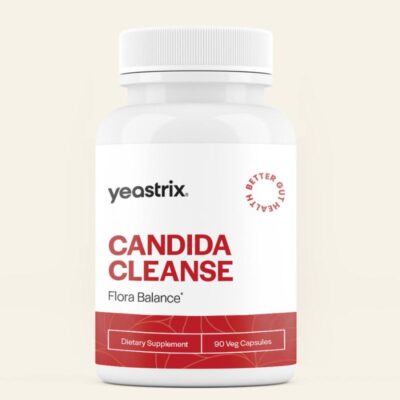
For Yeastrix Candida Cleanse, caprylic acid is included as one component of a multi-ingredient formula. The product should be used according to the directions on the label and is not intended to diagnose, treat, cure, or prevent disease.
Frequently Asked Questions
Laboratory studies suggest that caprylic acid can inhibit Candida albicans and affect processes involved in fungal growth, adhesion and biofilm formation. However, these findings come primarily from laboratory research, and there is currently insufficient human clinical evidence to conclude that oral caprylic acid can treat or eliminate Candida overgrowth. It is therefore better viewed as a potential supportive ingredient rather than a proven standalone treatment for Candida. (Jadhav et al., 2017)
No. Caprylic acid is one of the medium-chain fatty acids naturally found in coconut oil, but coconut oil contains several different fatty acids. Concentrated caprylic acid supplements therefore provide a much higher and more specific amount of caprylic acid than you would typically obtain from coconut oil alone.
There is no established timeframe for caprylic acid to produce specific health benefits. Research on caprylic acid and Candida has largely been conducted in laboratory settings, so results from these studies cannot be used to predict how quickly an oral supplement will work in people. If you’re taking caprylic acid as part of a gut health programme, follow the product directions and speak with your healthcare provider if symptoms persist or worsen.
Some people may experience mild digestive symptoms when starting a supplement containing caprylic acid, such as bloating, nausea, stomach discomfort, or changes in bowel habits. These symptoms can have a number of possible causes and should not automatically be interpreted as Candida die-off. If symptoms are persistent, severe, or concerning, stop taking the supplement and speak with your healthcare provider.
Caprylic acid is commonly included in dietary supplements intended for regular use when taken according to the manufacturer’s directions. However, the appropriate amount and duration of use depend on the specific product and individual circumstances. If you are pregnant or breastfeeding, have an underlying medical condition, take prescription medication, or have concerns about starting a new supplement, speak with your healthcare provider first.
Caprylic acid is included in Yeastrix Candida Cleanse because laboratory research has identified antifungal activity against Candida albicans. It is one of 14 ingredients in the formula and is combined with botanicals and other naturally occurring compounds selected for their complementary properties. Because most research on caprylic acid and Candida has been conducted in laboratory settings, we don’t claim that it treats or eliminates Candida overgrowth in humans. Instead, it is included as one component of a broader gut health approach.
Final Thoughts
Caprylic acid is a naturally occurring medium-chain fatty acid with interesting antimicrobial properties. Laboratory research suggests that it can affect Candida albicans, including processes involved in fungal growth, adhesion and biofilm formation (Jadhav et al., 2017). These findings help explain the growing interest in caprylic acid as a Candida-support ingredient, while further clinical research will help clarify its potential benefits in humans.
For people interested in the potential benefits of caprylic acid, it can be considered as one component of a broader approach to gut health. A balanced diet, adequate fibre, regular physical activity, quality sleep and appropriate medical care all contribute to overall wellbeing.
Caprylic acid is one of 14 ingredients in Yeastrix Candida Cleanse. We selected it because of its research profile and its complementary role within the overall formulation. The product is not intended to diagnose, treat, cure or prevent disease.
If you’re considering caprylic acid or another dietary supplement for a specific health concern, particularly if you have an underlying medical condition or take prescription medication, speak with your healthcare provider.
References
Jadhav, A., Mortale, S., Halbandge, S., Jangid, P., Patil, R., Gade, W., Kharat, K., & Karuppayil, S. M. (2017). The dietary food components capric acid and caprylic acid inhibit virulence factors in Candida albicans through multitargeting. Journal of Medicinal Food, 20(11), 1083–1090. https://doi.org/10.1089/jmf.2017.3971
Lemarié, F., Beauchamp, E., Legrand, P., & Rioux, V. (2015). Revisiting the metabolism and physiological functions of caprylic acid (C8:0) with special focus on ghrelin octanoylation. Biochimie, 120, 70–79. https://doi.org/10.1016/j.biochi.2015.08.002
Continue Reading
This article is intended for educational and informational purposes only and is not a substitute for professional medical advice, diagnosis, or treatment. Always consult with a qualified healthcare provider before starting any new treatment or supplement, especially if you have a pre-existing medical condition or are taking medication. The recommendations here reflect a naturopathic approach and are not meant to replace conventional care when it is required. Individual results may vary.