
Oxalates and Gut Health: What We Know About Absorption, Kidney Stones and Supplements
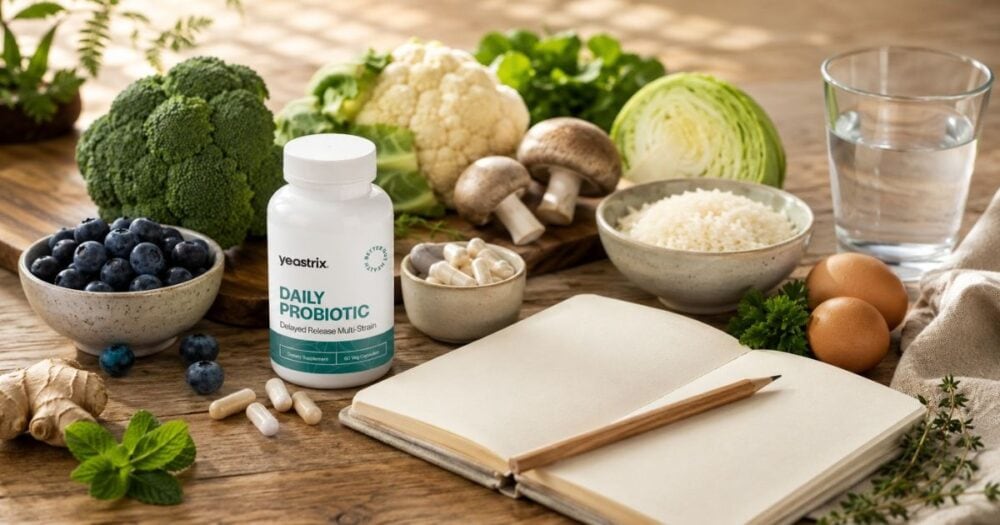
Oxalates are natural compounds found in many foods, including leafy greens, nuts, seeds, cocoa, tea and some vegetables. For most people, eating foods that contain oxalates is not a problem.
Oxalates have attracted more attention in recent years, particularly among people concerned about digestive health, food sensitivities and kidney stones. But the science is more nuanced than many online discussions suggest.
Certain intestinal conditions can increase the amount of oxalate the body absorbs, and oxalate is an important factor in the formation of calcium oxalate kidney stones. At the same time, there is generally no reason for healthy people to eliminate oxalate-containing foods simply because they contain oxalates.
If you are considering a low-oxalate diet or wondering whether a supplement could contain oxalate, understanding what the research actually shows can help you make more informed decisions.
Quick Answer
Most people do not need to avoid oxalates. Oxalates are natural compounds found in many plant foods, including leafy greens, nuts, seeds, cocoa and tea. They become more clinically relevant in people with recurrent calcium oxalate kidney stones, hyperoxaluria, or certain intestinal conditions that can increase oxalate absorption.
For people at increased risk of calcium oxalate stones, strategies such as staying well hydrated, maintaining adequate dietary calcium, limiting excessive sodium, and adjusting high-oxalate foods when appropriate may help reduce risk. The right approach depends on the individual and should be discussed with a healthcare professional when there is an underlying medical condition.
If you are considering a low-oxalate diet or wondering whether a supplement could contain oxalate, it is usually more useful to understand why oxalate might matter in your particular situation than to eliminate oxalate-containing foods unnecessarily.
What Are Oxalates?
Most people do not need to avoid oxalates.
Oxalates are naturally occurring compounds found in many plant foods. They become particularly important when someone has a history of calcium oxalate kidney stones, hyperoxaluria, or an intestinal condition that significantly increases oxalate absorption.
For people at risk of calcium oxalate stones, dietary strategies may include adequate hydration, maintaining normal dietary calcium, limiting excessive sodium, and adjusting high-oxalate foods when appropriate. The right approach depends on the individual’s kidney stone type and urinary risk factors.
Oxalates and Kidney Stones
The strongest established reason to pay attention to dietary oxalate is calcium oxalate kidney stones.
Calcium stones are the most common type of kidney stone, and calcium oxalate stones are more common than calcium phosphate stones. (NIDDK)
Oxalate is only one part of the picture, however.
Kidney stone formation is influenced by several factors, including:
- Fluid intake
- Urinary calcium
- Urinary oxalate
- Urinary citrate
- Sodium intake
- Dietary patterns
- Genetics and other individual factors
This is why simply eliminating every food containing oxalate is not necessarily the best approach.
What Can Help Prevent Calcium Oxalate Stones?
For people who form calcium oxalate stones, dietary advice may include:
Drink enough fluid.
Adequate fluid intake helps dilute the urine and reduce the concentration of substances that can contribute to stone formation. Water is generally the main recommended fluid.
Maintain adequate dietary calcium.
This may seem surprising, but restricting calcium unnecessarily can actually be counterproductive. Calcium in the digestive tract can bind oxalate and reduce its absorption.
Avoid excessive sodium.
Higher sodium intake can increase urinary calcium and may increase the risk of calcium-containing kidney stones. (NIDDK)
Consider oxalate intake when appropriate.
People with calcium oxalate stones and elevated urinary oxalate may be advised to reduce high-oxalate foods. This should be individualised rather than interpreted as a need to eliminate all plant foods. (AUA Network)
Can Gut Health Affect Oxalate Absorption?
Yes, but the relationship is more specific than the term “leaky gut” sometimes suggests.
Normally, calcium in the intestine can bind oxalate, helping prevent some oxalate from being absorbed.
Certain intestinal conditions can interfere with this process and increase oxalate absorption. This is known as enteric hyperoxaluria.
It can occur with conditions that affect fat absorption or the normal function of the small intestine. Examples include some cases of:
- Crohn’s disease
- Short bowel syndrome
- Fat malabsorption
- Certain intestinal disorders
- Some types of bariatric surgery
When fat is not absorbed properly, calcium can bind to unabsorbed fat rather than oxalate. This can leave more oxalate available for absorption through the intestinal wall and ultimately increase the amount of oxalate reaching the kidneys.
This is an important distinction.
Having digestive symptoms does not automatically mean that you absorb too much oxalate.
The strongest evidence relates to specific intestinal diseases and conditions that interfere with fat absorption or intestinal function.
What About the Gut Microbiome?
The gut microbiome is another area of interest in oxalate research.
One bacterium that has received considerable attention is Oxalobacter formigenes, which can use oxalate as an energy source in the intestine. Researchers have investigated whether differences in oxalate-degrading bacteria may influence urinary oxalate levels and kidney stone risk. (PubMed Central (PMC))
However, the relationship between the microbiome, oxalate metabolism and kidney stones is complex.
Oxalobacter is only one member of a broader microbial community, and research into microbiome-based approaches for preventing calcium oxalate stones is still developing. (PubMed Central (PMC))
This means it would be premature to conclude that a particular gut microbiome imbalance is the cause of someone’s oxalate-related symptoms or that taking a probiotic can reliably prevent kidney stones.
What About “Oxalate Sensitivity”?
You may see the term oxalate sensitivity used online to describe a wide range of symptoms supposedly caused by dietary oxalates.
This terminology can be confusing.
There are well-established medical conditions involving oxalate, including hyperoxaluria and calcium oxalate kidney stones. However, there is not a simple diagnostic category in which unexplained symptoms such as fatigue, joint pain, skin problems or digestive discomfort automatically indicate that a person is sensitive to oxalates.
If you have symptoms that you believe are related to particular foods, it is worth considering other possible causes rather than assuming oxalate is responsible.
A healthcare professional can help determine whether testing, dietary assessment or investigation of another condition is appropriate.
Can Supplements Contain Oxalates?
Some supplements contain plant-derived ingredients, and plants naturally contain varying amounts of oxalate.
However, it is difficult to determine the oxalate content of a finished supplement simply by looking at its ingredient list.
The amount may depend on:
- The plant species used
- Which part of the plant is included
- Whether a whole herb or concentrated extract is used
- Extraction and manufacturing methods
- The amount of the ingredient in the finished product
- The serving size
For this reason, an ingredient being a plant does not automatically mean that a finished supplement contains a clinically significant amount of oxalate.
Conversely, unless a finished product has been specifically analysed, it is also difficult to claim that it contains no oxalate.
What If You Have Been Advised to Follow a Low-Oxalate Diet?
If you have recurrent calcium oxalate kidney stones, hyperoxaluria or an intestinal condition associated with increased oxalate absorption, dietary advice should be individualised.
A healthcare professional or dietitian with experience in kidney stone prevention can help you identify which foods are relevant to your particular situation.
A low-oxalate diet does not necessarily mean avoiding every food that contains oxalate.
For example, NIDDK recommends that people with calcium oxalate stones pay attention to high-oxalate foods while also maintaining adequate calcium intake. (NIDDK)
The goal is usually to reduce relevant risk factors without unnecessarily restricting the overall diet.
What Should You Consider Before Starting a Supplement?
If you have been diagnosed with hyperoxaluria or have recurrent calcium oxalate kidney stones, it is sensible to look beyond the front label when choosing supplements.
Consider asking:
- Does the product contain concentrated botanical ingredients?
- Which plant parts are used?
- Is the amount of each ingredient clearly stated?
- Has the finished product been tested for oxalate?
- Has your healthcare professional advised you to avoid particular ingredients?
- Could any other ingredient interact with your medications or medical condition?
An ingredient list can tell you what is in a product, but it does not necessarily tell you the finished product’s oxalate content.
If oxalate restriction is medically important for you, ask the manufacturer whether quantitative testing of the finished product is available.
What About Yeastrix Products?
Yeastrix products contain different types of ingredients, including probiotic organisms, digestive enzymes and botanical extracts.
Because the exact oxalate content of a finished supplement depends on its ingredients and manufacturing process, we do not recommend assuming that a product is “oxalate-free” simply because an individual ingredient appears to be low in oxalate.
Similarly, people with a medically diagnosed oxalate-related condition should not rely on general supplement guidance in place of advice from their healthcare professional.
If you have questions about the ingredients in a Yeastrix product, contact us before starting it. We can provide the ingredient information available for the specific product.
Do You Need to Avoid Oxalates for Better Gut Health?
For most people, no.
There is no general reason to eliminate spinach, nuts, seeds, vegetables or other nutritious foods simply because they contain oxalates.
If you have a diagnosed condition that increases oxalate absorption or a history of calcium oxalate kidney stones, dietary changes may be useful. But these should be based on your individual risk factors rather than on the assumption that oxalates are responsible for unexplained digestive symptoms.
A varied diet that provides adequate nutrients is generally preferable to unnecessarily restrictive eating.
When Should You Speak With a Healthcare Professional?
Consider medical advice if you:
- Have recurrent kidney stones
- Have been diagnosed with hyperoxaluria
- Have an intestinal condition associated with fat malabsorption
- Have had bariatric surgery and are concerned about kidney stone risk
- Have been advised to follow a low-oxalate diet
- Are considering major dietary restrictions
- Develop symptoms that could indicate a kidney stone
Kidney stone symptoms can include sharp pain in the back, side, lower abdomen or groin, blood in the urine, pain when urinating, nausea or vomiting. Fever or chills alongside suspected kidney stone symptoms requires prompt medical assessment. (NIDDK)
Frequently Asked Questions about Oxalates
For most people, dietary oxalates do not cause digestive problems. Certain intestinal conditions can increase oxalate absorption, particularly when fat absorption is impaired, but ordinary bloating or digestive discomfort does not necessarily indicate a problem with oxalates.
There is not enough evidence to recommend a low-oxalate diet simply because someone has Candida or SIBO. If you have recurrent calcium oxalate kidney stones, hyperoxaluria, or a diagnosed intestinal condition that increases oxalate absorption, dietary advice should be individualised.
Not generally. Oxalates are naturally occurring compounds found in many nutritious foods. Their most established clinical relevance is their role in calcium oxalate kidney stones and, in some people, excessive oxalate absorption.
Some gut bacteria, including Oxalobacter formigenes, can metabolise oxalate, and researchers are investigating the relationship between the gut microbiome and kidney stone risk. However, there is currently not enough evidence to say that a probiotic supplement reliably prevents oxalate-related problems.
Some plant-derived ingredients may contain oxalate, but the amount in a finished supplement cannot necessarily be determined from the ingredient list alone. If you have been medically advised to restrict oxalate, ask the manufacturer whether quantitative testing of the finished product is available.
The Bottom Line
Oxalates are natural compounds found in many foods and are not inherently harmful.
Their most established clinical relevance is in calcium oxalate kidney stones and hyperoxaluria. Certain intestinal conditions can increase oxalate absorption, particularly when fat absorption is impaired. (Mayo Clinic Staff, 2023)
The gut microbiome may also play a role in oxalate metabolism, but research into this relationship is still evolving.
For most people, there is no reason to fear oxalate-containing foods or follow a restrictive low-oxalate diet simply because of digestive symptoms.
If you have recurrent calcium oxalate kidney stones, hyperoxaluria or a condition that affects intestinal absorption, however, oxalate intake may be an important part of your personalised dietary plan.
And if you are considering a supplement, remember that an ingredient list alone cannot necessarily tell you how much oxalate is present in the finished product. When oxalate restriction is medically important, ask the manufacturer about the product’s composition and discuss your choices with your healthcare professional.
References
American Urological Association. (2014). Medical management of kidney stones: AUA guideline. The Journal of Urology, 192(2), 316–324. https://doi.org/10.1016/j.juro.2014.05.006
Crivelli, J. J., Wood, K. D., & Assimos, D. G. (2021). Is it time to retire the low-oxalate diet? No! Journal of Endourology, 35(10), 1435–1437. https://doi.org/10.1089/end.2021.0576
Hatch, M., & Freel, R. W. (2008). The roles and mechanisms of intestinal oxalate transport in oxalate homeostasis. Seminars in Nephrology, 28(2), 143–151. https://doi.org/10.1016/j.semnephrol.2008.01.007
Holmes, R. P., & Assimos, D. G. (2004). The impact of dietary oxalate on kidney stone formation. Urological Research, 32(5), 311–316. https://doi.org/10.1007/s00240-004-0437-3
Mayo Clinic Staff. (2023, May 11). Hyperoxaluria and oxalosis: Symptoms and causes. Mayo Clinic.
Mehta, M., Goldfarb, D. S., & Nazzal, L. (2016). The role of the microbiome in kidney stone formation. International Journal of Surgery, 36(Pt D), 607–612. https://doi.org/10.1016/j.ijsu.2016.11.024
Mitchell, T., Kumar, P., Reddy, T., Wood, K. D., Knight, J., Assimos, D. G., & Holmes, R. P. (2019). Dietary oxalate and kidney stone formation. American Journal of Physiology-Renal Physiology, 316(3), F409–F413. https://doi.org/10.1152/ajprenal.00373.2018
National Institute of Diabetes and Digestive and Kidney Diseases. (2017). Eating, diet, & nutrition for kidney stones. National Institutes of Health.
National Institute of Diabetes and Digestive and Kidney Diseases. (2017). Symptoms & causes of kidney stones. National Institutes of Health.
Ticinesi, A., Nouvenne, A., & Meschi, T. (2019). Gut microbiome and kidney stone disease: Not just an Oxalobacter story. Kidney International, 96(1), 25–27. https://doi.org/10.1016/j.kint.2019.03.020
Disclaimer: This article is provided for educational and informational purposes only and is not intended to provide medical advice, diagnosis or treatment. If you have kidney stones, hyperoxaluria, an intestinal condition affecting absorption, or another medical condition, speak with a qualified healthcare professional before making significant dietary changes or starting supplements. Individual dietary and supplement needs vary.