
Digestive Enzymes for Candida: What They Do & How They May Help

Digestive enzymes are best known for helping the body break down proteins, fats and carbohydrates. Some digestive enzyme blends have also been investigated for their potential to interact with components of fungal cell walls and biofilms under laboratory conditions. While more human research is needed, digestive enzymes are commonly used as part of a broader gut health strategy alongside dietary changes, probiotics and healthy lifestyle habits.
In this guide, we’ll explain what digestive enzymes do, how they may support gut health during a Candida cleanse, which enzymes are most commonly used, and what the current research says.
Key Takeaways
- Digestive enzymes help break down proteins, fats and carbohydrates to support healthy digestion.
- Some enzymes have been investigated in laboratory studies for their interactions with components of fungal cell walls and biofilms.
- Digestive enzymes are commonly used alongside probiotics, dietary changes and other gut health strategies.
- A comprehensive enzyme blend contains different enzymes that support digestion of proteins, fats, carbohydrates and fibre.
- Supporting digestion is one part of maintaining a healthy gut microbiome and overall digestive wellbeing.
Estimated reading time: 12 minutes
How Digestive Enzymes Work
Digestive enzymes are specialised proteins that help your body break down the food you eat into nutrients small enough to be absorbed through the lining of the small intestine. Without enough digestive enzymes, even the healthiest diet can be harder for your body to process efficiently.
Your body naturally produces digestive enzymes in several places:
- The mouth begins digestion with salivary amylase, which starts breaking down carbohydrates as you chew.
- The stomach produces enzymes such as pepsin to begin digesting proteins in an acidic environment.
- The pancreas is the body’s primary enzyme factory, releasing powerful digestive enzymes into the small intestine to break down proteins, fats, and carbohydrates.
- The small intestine also produces enzymes that complete the final stages of digestion, allowing nutrients to be absorbed into the bloodstream.
Together, these enzymes work like a highly coordinated team, ensuring your food is efficiently broken down so your body can access the vitamins, minerals, amino acids, fatty acids, and energy it needs.
Endogenous vs Supplemental Digestive Enzymes
There are two main types of digestive enzymes:
Endogenous enzymes are the enzymes your body naturally produces every day. In healthy individuals, these are usually sufficient to digest food effectively.
Supplemental digestive enzymes are taken as dietary supplements to support digestion. They often contain a blend of enzymes—including protease, lipase, amylase, cellulase, hemicellulase, beta-glucanase, and others—to help break down a wider range of foods. Some specialised formulations are also designed to support gut health during dietary protocols such as a Candida cleanse.
Although digestive enzyme supplements can support normal digestion, they work best alongside a balanced diet and healthy lifestyle rather than as a replacement for your body’s own digestive processes.
Digestive Enzymes at a Glance
| Enzyme | Primary Role | Potential Relevance During a Candida Cleanse |
|---|---|---|
| Protease | Breaks down proteins | Has been investigated for its ability to interact with protein components associated with fungal biofilms in laboratory studies. |
| Cellulase | Breaks down plant fibre | Commonly included in Candida-support formulas because it has been investigated for interactions with components associated with fungal cell walls. |
| Hemicellulase | Breaks down complex plant fibres | Supports fibre digestion and is often combined with cellulase in comprehensive enzyme blends. |
| Beta-glucanase | Breaks down beta-glucans | Has been investigated for interactions with beta-glucans found in fungal cell walls under laboratory conditions. |
| Amylase & Glucoamylase | Break down starches and carbohydrates | Support carbohydrate digestion and may improve digestive comfort. |
| Lipase | Breaks down fats | Supports healthy fat digestion and nutrient absorption. |
| Alpha-galactosidase | Breaks down certain complex carbohydrates | May help reduce gas and bloating associated with legumes and some vegetables. |
| Chitosanase | Breaks down chitosan-like compounds | Included in some specialised enzyme formulations because of its potential relevance to fungal cell wall components. |
It’s important to note that while several digestive enzymes have been investigated for their interactions with fungal cell walls and biofilms in laboratory studies, robust human clinical evidence remains limited. Their primary, evidence-based role is supporting healthy digestion, with their potential role in Candida protocols still being actively researched.
🧪 Research Snapshot
What does the research say?
Laboratory studies have investigated several digestive enzymes—including protease, cellulase, hemicellulase, beta-glucanase, and chitosanase—for their potential interactions with components of fungal cell walls and biofilms. While these findings are scientifically interesting, most of the evidence comes from laboratory and experimental studies rather than large human clinical trials.
At present, the strongest evidence for digestive enzyme supplements relates to their well-established role in supporting normal digestion. Their potential role in Candida support protocols remains an area of ongoing research, and they are generally best viewed as one component of a broader approach that may also include dietary changes, probiotics, lifestyle modifications, and guidance from a qualified healthcare practitioner.
Understanding Candida Overgrowth
Candida albicans is a yeast that normally lives in the mouth, digestive tract, skin, and vagina as part of the body’s natural microbiome. In healthy individuals, it usually exists in balance with beneficial bacteria and other microorganisms.
However, factors such as antibiotics, prolonged stress, diets high in refined sugar, certain medications, and some medical conditions may disrupt this balance. When this happens, some people experience symptoms they associate with Candida overgrowth, including bloating, digestive discomfort, sugar cravings, fatigue, brain fog, and recurrent yeast infections.
Because these symptoms overlap with many other digestive and medical conditions, it’s important not to assume Candida is always the cause. If you’re unsure, our guide to Candida Testing: How to Test for Candida and Choose the Right Test explains when testing may be appropriate, which tests have the strongest evidence, and when it’s worth speaking with your healthcare practitioner.
Digestive enzymes aren’t designed to treat Candida directly. Instead, they’re commonly used as part of a broader gut health strategy alongside a balanced diet, probiotics, and other lifestyle measures to support healthy digestion and the gut microbiome.
Digestive Enzymes and Carbohydrate-Rich Foods
Many people exploring a Candida cleanse have questions about foods such as oats, brown rice, bananas, potatoes, legumes, and sourdough bread. While these foods vary considerably in their nutritional value, they all contain carbohydrates, starches, fibres, or plant compounds that require digestion.
Digestive enzymes such as amylase, glucoamylase, cellulase, hemicellulase, and beta-glucanase help break down different components of food during the digestive process. For some people, supporting digestion may help improve comfort when reintroducing higher-fibre or carbohydrate-containing foods as part of a balanced diet.
We explore many of these foods in more detail in our Candida Diet guides, including oats, bananas, brown rice, legumes and sourdough bread.
How Digestive Enzymes May Support Gut Health
Now let’s take a closer look at how digestive enzymes support candida cleansing in practical, body-loving ways.
1. Breaking Down Candida’s Protective Wall
Certain enzymes—including cellulase, beta-glucanase, protease and chitosanase—have been investigated in laboratory studies for their potential interactions with components of fungal cell walls and biofilms. While more human clinical research is needed, these enzymes are commonly included in comprehensive digestive enzyme formulas designed to support gut health. If you’d like to explore this topic in depth, read our guide to Best Enzymes for Candida Biofilms.
2. Reducing Digestive Stress
By helping break down proteins, fats and carbohydrates more efficiently, digestive enzymes may improve digestive comfort for some people. Better digestion may also support nutrient absorption and reduce symptoms such as bloating or fullness after meals.
3. Minimizing Die-Off
Some people report temporary digestive changes when beginning a new gut health programme. The exact cause isn’t always clear and experiences vary between individuals. If you’d like to learn more, read our guide to Ultimate Guide to Candida die-off
4. Supporting Overall Gut Health
Beyond targeting candida, digestive enzymes contribute to a healthier gut environment overall. By breaking down food more thoroughly, they reduce the undigested particles that can contribute to digestive discomfort in some people. This paves the way for beneficial bacteria to thrive—an essential piece of the candida puzzle.
Choosing the Right Digestive Enzyme for Candida
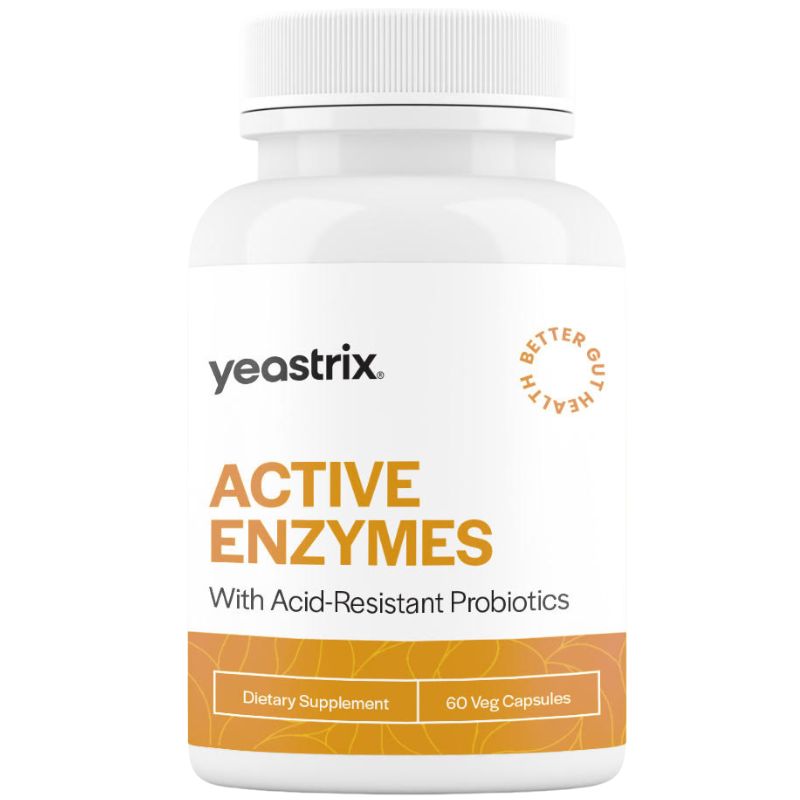
Not all digestive enzymes are created equal. When selecting a formula to support your digestive health, look for these key features:
- A blend that includes protease, cellulase, and hemicellulase
- Free from allergens and additives that may irritate the gut
- Look for a comprehensive enzyme blend that contains enzymes commonly discussed in relation to Candida support, such as protease, cellulase, hemicellulase, and beta-glucanase. Some formulations also combine digestive enzymes with probiotics to support overall gut health.
- Some digestive enzyme formulations also include probiotic strains such as Bacillus coagulans.
If you’re unsure where to start, speak with a qualified health practitioner who understands how digestive enzymes support candida cleansing in a clinical context. A personalized approach will always get you further than guesswork.
Complementary Practices That May Support Gut Health
Digestive enzymes are only one part of a broader approach to supporting digestive and gut health. Depending on your individual circumstances, the following strategies may also be helpful:
- Reduce excess sugar and highly processed foods as part of a balanced, nutrient-dense diet.
- Include probiotic-rich foods or probiotic supplements where appropriate to help support a healthy gut microbiome.
- Stay well hydrated, as adequate fluid intake supports normal digestion and overall health.
- Prioritise sleep and manage stress, both of which play important roles in digestive function and immune health.
- Work with a qualified healthcare practitioner if you have persistent symptoms or underlying health conditions that may be contributing to digestive problems.
Together, these strategies may help create an environment that supports digestive health and microbial balance. Digestive enzymes can then complement this broader approach by helping your body break down food more efficiently and absorb nutrients more effectively.
Bottom Line
Digestive enzymes play an important role in breaking down proteins, fats and carbohydrates, helping your body absorb nutrients and maintain healthy digestion. While some enzymes have also been investigated for their potential interactions with fungal biofilms in laboratory studies, their best-established role remains supporting normal digestive function.
If you’re following a broader gut health programme that includes dietary changes, probiotics and healthy lifestyle habits, a comprehensive digestive enzyme blend may provide additional digestive support. Choosing a well-formulated product and using it consistently as part of an overall gut health strategy is likely to be more valuable than relying on any single supplement alone.
Learn more about what systemic enzymes are good for here.
Read about Bacillus coagulans and how it supports your microbiome here.
FAQs
Digestive enzymes may help support digestion and gut balance during a candida cleanse. Some practitioners believe certain enzymes may help break down components associated with yeast cell walls while also supporting overall digestive health.
Enzymes often discussed in relation to candida support include protease, cellulase, hemicellulase, and chitinase. These enzymes may help support digestion and microbial balance within the gut.
Some people report feeling more comfortable during a candida cleanse when supporting digestion with enzymes. Improved digestion and nutrient absorption may help support overall wellbeing during this process.
Digestive enzymes and probiotics are often used together as part of a broader gut health approach. While enzymes help support digestion, probiotics may help maintain healthy microbial balance.
Many candida cleanse protocols recommend reducing excess sugar, refined carbohydrates, and highly processed foods, as these may contribute to microbial imbalance in some individuals.
The ideal duration varies depending on individual health needs, digestive symptoms, diet, and practitioner recommendations. It’s best to speak with a qualified healthcare professional for personalised guidance.
Digestive enzymes may help support the breakdown of proteins, fats, and carbohydrates, which may improve digestive comfort and reduce bloating in some people.
Some digestive enzyme formulas contain enzymes such as beta-glucanase, amylase, glucoamylase, and alpha-galactosidase that help break down specific fibres and carbohydrates found in foods like oats, legumes, and whole grains. Individual responses vary, but many people use digestive enzymes as part of a broader approach to digestive comfort and gut health.
References
Czerucka, D., Piche, T., & Rampal, P. (2007). Review article: Yeast as probiotics – Saccharomyces boulardii. Alimentary Pharmacology & Therapeutics, 26(6), 767–778. https://doi.org/10.1111/j.1365-2036.2007.03442.x
Hill, C., Guarner, F., Reid, G., Gibson, G. R., Merenstein, D. J., Pot, B., Morelli, L., Canani, R. B., Flint, H. J., Salminen, S., Calder, P. C., & Sanders, M. E. (2014). Expert consensus document: The International Scientific Association for Probiotics and Prebiotics consensus statement on the scope and appropriate use of the term probiotic. Nature Reviews Gastroenterology & Hepatology, 11(8), 506–514. https://doi.org/10.1038/nrgastro.2014.66
Mu, Qing, and Yingzi Cong. “Bacillus Coagulans and Its Applications in Medicine.” Beneficial Microbes, vol. 10, no. 6, 2019, pp. 262–76, doi.org.
Salvetti, E., O’Toole, P. W., & Felis, G. E. (2023). The evolving taxonomy of probiotic microorganisms and its implications for research and clinical practice. Nature Reviews Gastroenterology & Hepatology, 20(9), 573–587. doi.org
Sanders, M. E., Merenstein, D. J., Reid, G., Gibson, G. R., & Rastall, R. A. (2019). Probiotics and prebiotics in intestinal health and disease: From biology to the clinic. Nature Reviews Gastroenterology & Hepatology, 16(10), 605–616. https://doi.org/10.1038/s41575-019-0173-3
Su, Y., Wang, T., & Liu, Y. (2020). Effects of Bacillus coagulans supplementation on gastrointestinal health: A review of current evidence. Food Science & Nutrition. (Review article).
Continue Reading
This article is intended for educational and informational purposes only and is not a substitute for professional medical advice, diagnosis, or treatment. Always consult with a qualified healthcare provider before starting any new treatment or supplement, especially if you have a pre-existing medical condition or are taking medication. The recommendations here reflect a naturopathic approach and are not meant to replace conventional care when it is required. Individual results may vary.