
Candida Testing: How to Test for Candida and Choose the Right Test

If you’ve been searching online for information about Candida testing, you’ve probably discovered it’s far more confusing than you expected. One website recommends a stool test, another suggests a blood test, while others mention urine testing, GI-MAP, GI360, Organic Acids Tests (OAT), or even home “spit tests.” It’s no wonder many people are left wondering where to begin.
The good news is that there isn’t one “perfect” Candida test—and there doesn’t need to be. Different tests are designed to answer different clinical questions. Some help diagnose common yeast infections such as oral thrush or vaginal candidiasis, while others are used in specific clinical situations to investigate suspected invasive Candida infection or broader health concerns. Specialised stool and urine-based tests may also provide additional information about gut health and microbial or metabolic activity, although these tests have different purposes and limitations. [5,10]
In this guide, we’ll explain the most common Candida tests in plain English, what each test is designed to do, their strengths and limitations, and when testing may or may not be appropriate. We’ll also explain why test results should be considered alongside your symptoms, medical history, physical examination, and other relevant clinical information. [3,4]
Quick Answer:
Can Candida be tested?
Yes. Candida can be tested, but the most appropriate test depends on where the infection is suspected and what your symptoms are.
For example, a doctor may diagnose oral thrush based on examination and may use laboratory testing when confirmation is needed. Vaginal yeast infections may be investigated with microscopy, a vaginal swab, or culture, while blood cultures and other specialised laboratory tests are used when invasive Candida infection is suspected. [1–3]
For persistent digestive symptoms, additional investigations may be considered depending on the clinical picture, including tests that assess gastrointestinal health or the gut microbiome.
No single test can diagnose every type of Candida-related condition, and no laboratory result should be interpreted in isolation. A reliable assessment combines symptoms, medical history, physical examination, and—when appropriate—laboratory testing. [1–3]
Key Takeaways
- Candida testing can help identify Candida in particular clinical situations, but no single test definitively establishes that Candida is responsible for a person’s symptoms.
- Common testing methods include stool testing, blood testing, vaginal or other local swabs, and specialised urine-based testing. Each has different purposes, strengths, and limitations. [2–4]
- Consider professional evaluation if you experience persistent or recurrent symptoms, as multiple conditions can cause similar digestive, vaginal, oral, or systemic symptoms.
- Functional and integrative practitioners may assess Candida in the context of a person’s overall health, symptoms, and other laboratory findings rather than relying on one laboratory result alone.
- At-home testing methods vary considerably in scientific support, and some commonly promoted methods—such as saliva “spit tests”—should not be treated as established diagnostic tests. [3,4]
Estimated reading time: 38 minutes
Why Is Candida Testing So Confusing?
One of the reasons Candida testing causes so much confusion is that there isn’t just one type of Candida infection—or one test that answers every question. [1–3]
Candida can affect different parts of the body, including the mouth, skin, vagina, urinary tract, and gastrointestinal tract. The tests used to investigate these conditions are often very different because they are designed to answer different clinical questions. [1–3]
For example, if your doctor suspects oral thrush, they may diagnose it by examining your mouth, with laboratory testing used when confirmation is needed. Recurrent vaginal yeast infections may be investigated with microscopy, a vaginal swab, or culture. In contrast, people with persistent digestive symptoms may undergo other investigations to look for gastrointestinal conditions that could explain their symptoms. Some functional and integrative practitioners may also use comprehensive stool testing as part of a broader assessment of gut health. [1–3]
Adding to the confusion, many different tests are promoted online—including stool tests, blood tests, urine-based tests, microbiome tests, Organic Acids Tests (OAT), and home “spit tests.” Each has its own methods, intended uses, strengths, and limitations.
The important thing to remember is that the right test depends on the question being asked. [1–3]
A test that is useful for investigating a vaginal yeast infection may tell us very little about ongoing digestive symptoms, while a comprehensive stool analysis is not the test used in hospital settings to diagnose invasive Candida infection. [1–3]
Rather than searching for the “best” Candida test, it’s often more helpful to ask:
“What am I trying to find out?”
Answering that question is usually the first step towards choosing the most appropriate investigation.
Research Snapshot: Different Tests Answer Different Questions
Current clinical guidelines recommend different testing methods depending on where Candida infection is suspected. For example, oral thrush and vaginal candidiasis may be diagnosed through clinical examination, microscopy, or culture, whereas invasive Candida infections in hospital settings are investigated using blood cultures and specialised laboratory tests. [1–3]
Some functional and integrative practitioners also use stool- or urine-based testing when investigating persistent digestive symptoms or broader gut health. These tests have different purposes and limitations and should be interpreted alongside a person’s clinical history, symptoms, and other relevant findings rather than in isolation. [4,5]
“Throughout almost 40 years in clinical practice, I found that laboratory tests rarely told the whole story. The most useful answers came from combining a person’s symptoms, medical history, lifestyle, and carefully chosen laboratory tests. Good testing should support clinical judgement—not replace it.“
— Eric Bakker N.D.
Understanding Your Candida Testing Options
If your symptoms are mainly related to the mouth, skin, vagina, urinary tract, or digestive system, the appropriate Candida investigation can be quite different. Different tests are designed to answer different clinical questions, so the most useful test depends on where Candida is suspected and what your healthcare practitioner is trying to determine. [1–3]
| If your symptoms are mainly… | A healthcare practitioner may consider… |
|---|---|
| Mouth (oral thrush) | Clinical examination, swab, microscopy, or culture [2,3] |
| Skin or nails | Skin scraping, swab, microscopy, or culture [3,4] |
| Vaginal symptoms | Vaginal swab, microscopy, or culture [1,2] |
| Urinary symptoms | Urine culture or other appropriate testing, depending on the clinical situation [3,4] |
| Persistent digestive symptoms | Investigation guided by symptoms and clinical assessment; stool-based testing may be considered in some settings | Comprehensive stool testing or other investigations, depending on the clinical picture |
| Serious illness in hospital | Blood cultures and specialised laboratory testing [3,4] |
The choice of investigation should be based on the suspected condition, symptoms, medical history, and clinical findings rather than simply choosing the most comprehensive test available. [1–4]
Do You Always Need a Candida Test?
Not necessarily.
Some conditions, such as oral thrush or uncomplicated vaginal candidiasis, can often be diagnosed based on clinical examination, although laboratory testing may be recommended in recurrent, persistent, or uncertain cases. [1,2]
In other situations, testing may help guide further investigation, particularly when symptoms are persistent, recurrent, or difficult to explain. The decision to test should be based on the clinical situation rather than the assumption that everyone needs the most comprehensive laboratory panel available. [1–3]
Which Candida Test Is Right for You?
Choosing the right Candida test isn’t about finding the most expensive or most comprehensive option—it’s about choosing the test that best matches your symptoms and clinical situation. [1–4]
For example, someone with recurrent vaginal thrush is unlikely to need the same investigation as someone with years of bloating and digestive discomfort. Likewise, a hospital patient with suspected invasive candidiasis requires very different testing from someone investigating possible gut dysbiosis. [1–3]
If you’re feeling overwhelmed by all the different tests, you’re not alone. The good news is that most people don’t need every test—they simply need the test that best matches their symptoms and clinical situation.
The table below provides a general guide to the types of tests that may be considered in different situations.
| If your main concern is… | A healthcare practitioner may consider… |
|---|---|
| Oral thrush | Clinical examination, swab, microscopy, or culture [2,3] |
| Recurrent vaginal thrush | Vaginal swab, microscopy, or culture [1,2] |
| Persistent digestive symptoms → Investigation guided by symptoms and clinical assessment; stool-based testing may be considered in some settings | Comprehensive stool testing or other investigations |
| Complex long-term gut symptoms → Further gastrointestinal investigation guided by symptoms and clinical assessment; specialised stool testing may be considered by some practitioners | GI-MAP, GI360, or CDSA, depending on the clinical situation |
| Serious illness in hospital | Blood cultures and specialist testing [3,4] |
Remember: The goal of testing isn’t simply to find Candida. It’s to better understand what may be contributing to your symptoms and whether another condition should also be considered.
Did You Know?
Small amounts of Candida naturally live in the mouths, digestive tracts, and vaginal microbiomes of many healthy people without causing any problems. Finding Candida on a laboratory test doesn’t automatically mean it is causing your symptoms. That’s why healthcare practitioners interpret test results alongside medical history, symptoms, physical examination, and the reason the test was performed—not in isolation. [3–6]
Understanding the Main Types of Candida Tests
Comprehensive Stool Testing for Digestive Symptoms
Many people searching for Candida testing are actually trying to understand ongoing digestive symptoms such as bloating, gas, abdominal discomfort, constipation, diarrhoea, or unexplained changes in bowel habits. In these situations, a comprehensive stool test may provide information about different aspects of digestive health, depending on the laboratory and test used.
Unlike a standard stool test ordered to investigate a specific infection, comprehensive stool panels may assess a broader range of markers, including microorganisms, digestive function, inflammation, and other aspects of gastrointestinal health. [4,7]
Some functional and integrative practitioners use these broader panels when investigating persistent digestive symptoms. However, the tests vary considerably in what they measure, and finding Candida in a stool sample does not by itself establish that Candida is causing a person’s symptoms. [5–7]
For this reason, stool test findings are best interpreted alongside symptoms, medical history, physical examination, and other relevant clinical information rather than in isolation.
Stool testing can therefore be one part of a broader investigation into persistent digestive symptoms, but it should not be treated as definitive proof that Candida is the underlying cause.
What Can a Comprehensive Stool Test Measure?
While different laboratories offer different panels, many comprehensive stool tests assess several key areas of digestive health.
| Area assessed | What it may tell your practitioner |
|---|---|
| Yeast and fungi | Whether Candida or other yeasts are detected and how those findings fit within the overall picture. |
| Gut bacteria | Information about bacterial populations detected by the particular testing method used. |
| Parasites | Whether selected parasites or protozoa are detected, depending on the test and collection method. |
| Digestive function | Information from markers that may provide insight into digestion and intestinal function. |
| Inflammation | Whether selected inflammatory markers are elevated and may warrant further investigation. |
| Immune markers | Information from markers associated with intestinal immune activity, depending on the test. |
The exact markers measured vary considerably between laboratories and individual test panels. A comprehensive stool test therefore does not provide a universal picture of “gut health”; its usefulness depends on what is being measured, the laboratory methods used, and the clinical question being investigated.
It’s important to remember that no single laboratory finding confirms that Candida is responsible for your symptoms. Stool test results are most useful when interpreted alongside your medical history, symptoms, diet, medications, and other relevant clinical information. [5–7]
Which Comprehensive Stool Test Is Best?
Several comprehensive stool tests are available, and they use different laboratory methods and measure different combinations of markers. Some rely primarily on DNA-based PCR technology, while others combine molecular testing with culture, microscopy, or additional measures of digestive and immune function. [7]
Because laboratories use different methods and panels, two comprehensive stool tests may produce different types of information from similar samples. The most appropriate test therefore depends on the clinical question, the symptoms being investigated, the information a healthcare practitioner needs, and practical considerations such as availability and cost.
Commonly discussed examples include:
- GI-MAP® (Diagnostic Solutions Laboratory)
- GI360™ (Doctor’s Data)
- Comprehensive Digestive Stool Analysis (CDSA or CSA)
These tests are not interchangeable, and none should automatically be considered the “best” Candida test. Rather, their usefulness depends on what is being investigated and how the results are interpreted.
Rather than choosing a test based solely on online reviews or marketing claims, it’s usually more helpful to discuss the options with a qualified healthcare practitioner who can determine whether testing is appropriate and, if so, which investigation is most relevant to your symptoms.
👉 GI-MAP vs GI360 vs GI Effects: Which Comprehensive Stool Test Is Best?
Research Snapshot: Stool Test Results Must Be Interpreted in Context
Comprehensive stool testing can provide information about microorganisms, digestive function, inflammation, and other aspects of gastrointestinal health, depending on the test used. However, Candida can be present in healthy individuals, so detecting Candida in stool does not by itself establish that it is causing symptoms. [5,6]
The clinical value of a stool test therefore depends not only on what the laboratory detects, but also on why the test was ordered and how the findings are interpreted within the broader clinical picture.

Blood Tests for Candida
When people search for a “Candida blood test,” they’re often hoping for a simple laboratory test that can confirm whether Candida is responsible for their symptoms. Unfortunately, Candida blood testing is more nuanced than that.
Different blood-based tests are used for different clinical situations. Some are designed to detect Candida in the bloodstream when invasive candidiasis is suspected, while others look for biomarkers or immune responses associated with Candida infection. These tests are not interchangeable, and their usefulness depends on the clinical situation. [3,4]
For this reason, blood test results should always be interpreted alongside a person’s symptoms, medical history, physical examination, and other relevant investigations.
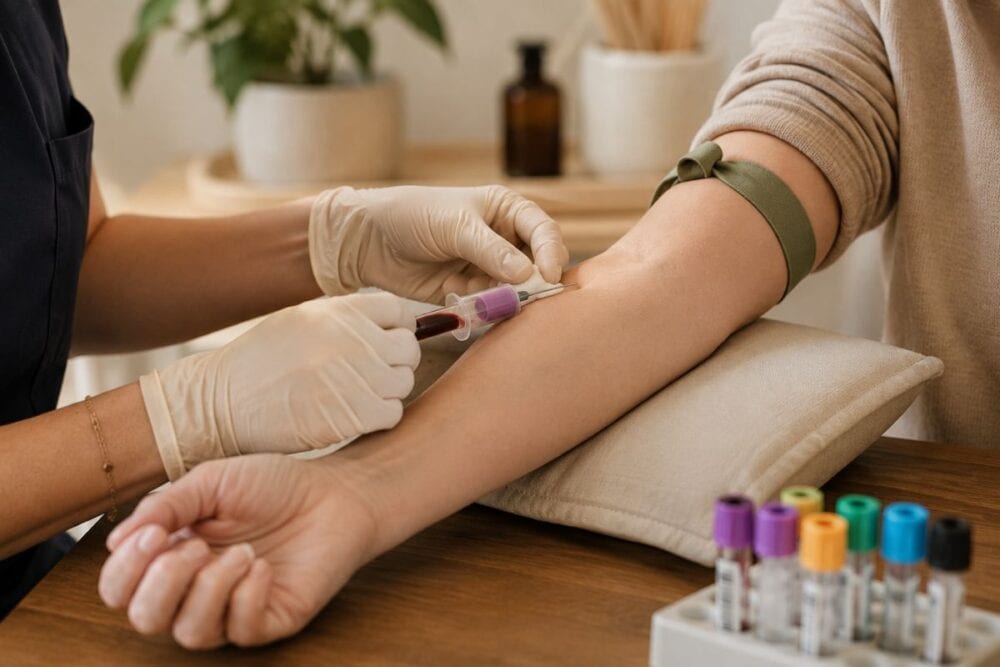
Blood Cultures
A blood culture is an established laboratory method for diagnosing candidemia—Candida infection of the bloodstream—and remains an important standard diagnostic test for invasive candidiasis. However, blood cultures can have limited sensitivity, so additional laboratory methods may sometimes be used when invasive candidiasis is suspected. [3,4]
Invasive candidiasis is a serious infection that is most often seen in hospitalised or critically ill patients and in people with significant risk factors such as major surgery, central venous catheters, or severe immune suppression. [3,4]
Blood cultures are not routinely used to investigate chronic digestive symptoms, bloating, fatigue, or suspected intestinal Candida overgrowth in otherwise healthy people.
If invasive candidiasis is suspected, prompt medical assessment is essential because this condition requires medical treatment.
Candida Antibody Tests
Some blood tests measure antibodies such as IgG, IgM, or IgA that are produced by the immune system in response to Candida.
These tests may provide information about immune exposure or response, but detecting Candida antibodies does not necessarily establish that Candida is currently causing a person’s symptoms. Interpretation can be particularly challenging because Candida commonly exists as a normal colonising organism in healthy people. [3,4]
For this reason, Candida antibody testing is not generally considered a standalone diagnostic test for chronic symptoms attributed to intestinal Candida overgrowth. Its usefulness depends on the particular test, the clinical setting, and the other evidence available.
When Are Blood Tests Helpful?
Blood-based testing is most useful when a healthcare practitioner is investigating suspected invasive candidiasis or another specific clinical question for which a blood test is appropriate. [3,4]
For people with ongoing digestive symptoms, blood tests generally form only one part of a broader assessment. Depending on the symptoms and medical history, a practitioner may consider other investigations rather than relying on a Candida blood test alone.
👉 Future internal link: Blood Tests for Candida: What They Can (and Can’t) Tell You
Research Snapshot: Blood Tests Have Important Limitations
Blood cultures are an important standard diagnostic method for candidemia and invasive candidiasis, although they do not detect every case. Other biomarkers and molecular tests may provide additional information in selected clinical settings. [3,4]
Candida antibody tests are different: they assess the body’s immune response rather than directly demonstrating that Candida is causing a person’s current symptoms. Their interpretation therefore requires clinical context and should not be treated as proof of chronic Candida overgrowth.
Swab and Skin Testing for Candida
When Candida is suspected on a specific part of the body—such as the mouth, vagina, skin, or nails—a healthcare professional may be able to diagnose the infection through clinical examination and, when necessary, laboratory testing of a sample from the affected area. Depending on the location and clinical situation, testing may include microscopy, culture, or other laboratory methods. [2–4]
These tests are different from stool or urine investigations used in some functional and integrative settings. They are designed to investigate a localised infection, rather than determine whether Candida is responsible for general digestive or systemic symptoms.
Oral Thrush
Oral thrush can often be diagnosed clinically by examining the mouth for characteristic white or creamy plaques, redness, soreness, or other typical findings. Laboratory testing is not always necessary when the clinical appearance is clear. [3,4]
If the diagnosis is uncertain, does not respond to treatment, or the infection keeps returning, a healthcare professional may collect a sample from the affected area for microscopic examination or culture. Laboratory testing can help confirm Candida and, in some situations, identify the species involved. [3,4]
👉 Future internal link: Oral Thrush Testing: How Doctors Diagnose Candida in the Mouth
Vaginal Yeast Infections
Vaginal symptoms are not specific to Candida, so testing can be particularly useful when symptoms are recurrent, persistent, severe, or do not respond to standard treatment. A healthcare professional may examine the vaginal discharge and collect a vaginal sample for microscopy, culture, or other laboratory testing. [2,3]
Testing can help confirm whether Candida is present and may also help distinguish vulvovaginal candidiasis from other causes of vaginal symptoms, including bacterial vaginosis and some sexually transmitted infections. [2]
In recurrent or complicated cases, culture or other laboratory testing may help identify the Candida species involved, including less common species that may respond differently to treatment. [2,3]
👉 Future internal link: How Vaginal Yeast Infections Are Diagnosed
Skin and Nail Infections
Candida can affect moist areas of the skin, particularly skin folds, and can occasionally be involved in infections around the nails. However, many skin and nail conditions can look similar, so confirming the diagnosis may be important when the appearance is unclear or treatment has not worked.
A healthcare professional may collect a skin scraping, swab, or nail sample for microscopic examination or culture. A potassium hydroxide (KOH) preparation may be used during microscopic examination to help identify fungal elements. [3,4]
These investigations can also help distinguish Candida from other conditions, including dermatophyte infections, eczema, psoriasis, and dermatitis, which may require different treatment.
Research Snapshot: Local Testing Helps Confirm Local Candida Infections
For suspected oral, vaginal, skin, or nail Candida infections, clinical examination is often the first step. When laboratory confirmation is needed, microscopy, culture, or other appropriate testing of a sample from the affected area can help establish the diagnosis and, in some situations, identify the Candida species involved. [2–4]
The appropriate method depends on the location of the suspected infection and the clinical circumstances. These tests are fundamentally different from investigations sometimes used to explore persistent digestive symptoms or broader gut health.

Organic Acids Testing (OAT)
Organic Acids Testing (OAT) is a urine-based laboratory test that measures a range of organic acids—metabolic compounds produced through different processes in the body. Depending on the laboratory and panel used, an OAT may provide information relating to microbial metabolism, nutrient status, energy production, and other biochemical pathways.
Some functional and integrative healthcare practitioners use OAT as part of a broader assessment when symptoms are complex or persistent. However, OAT is not a direct test for Candida, and the interpretation of individual markers requires clinical context.
Can an Organic Acids Test Detect Candida?
Not directly.
Some organic acid markers have been investigated as indirect indicators of fungal activity. D-arabinitol, for example, is a metabolite associated with Candida and has been studied as a potential biomarker of Candida burden, particularly in invasive candidiasis. [3,10]
However, detecting an organic acid associated with Candida metabolism is not the same as directly detecting Candida or demonstrating that Candida is responsible for a person’s symptoms. The clinical usefulness of these markers also depends on the specific test, the patient population, and the clinical situation.
For this reason, an OAT should not be interpreted as a standalone diagnostic test for chronic intestinal Candida overgrowth.
What Information Can an OAT Provide?
One attraction of OAT is that it can provide a broader biochemical picture rather than focusing on a single microorganism.
Depending on the laboratory, an OAT may include markers relating to:
- microbial metabolism
- nutrient metabolism
- cellular energy production
- oxidative stress
- neurotransmitter metabolism
- other biochemical pathways
This broader information may be useful to some practitioners when considered alongside a detailed clinical history and other appropriate investigations. However, the presence of an abnormal marker does not necessarily identify the cause of a person’s symptoms.
For some practitioners, this wider perspective can help identify patterns that may contribute to a person’s symptoms.
Limitations of Organic Acids Testing
Like every laboratory investigation, OAT has limitations.
Most importantly, an OAT measures metabolic compounds rather than Candida itself. An abnormal result therefore does not automatically establish that Candida is responsible for a person’s symptoms, while a normal result does not necessarily exclude Candida from the body.
Interpretation can also vary depending on the laboratory, the markers included in the panel, and the clinical context. Other factors may influence organic acid levels, meaning results should not be interpreted in isolation.
For these reasons, OAT is best considered an adjunctive investigation, rather than a definitive diagnostic test for Candida.
When Might an OAT Be Considered?
Some functional and integrative healthcare practitioners may consider an OAT when a person’s symptoms are complex or persistent and they want additional information about metabolic or microbial activity.
Rather than replacing established diagnostic testing, an OAT may be used alongside a detailed clinical history and, where appropriate, other laboratory investigations.
Whether an OAT is appropriate depends on the individual and the clinical question being investigated.
👉 Future internal link: Organic Acids Testing (OAT) for Candida: What Does It Really Show?
Research Snapshot: OAT Measures Indirect Metabolic Markers
Organic Acids Testing measures metabolic compounds in urine rather than detecting Candida directly. Certain metabolites, including D-arabinitol, have been investigated as biomarkers associated with Candida burden, particularly in invasive candidiasis. [3,10]
However, evidence for using urinary organic acid markers to diagnose chronic Candida-related symptoms in otherwise healthy people is much less established. OAT results should therefore be interpreted cautiously and alongside the person’s symptoms, medical history, examination findings, and other relevant investigations.

Can You Test for Candida at Home?
Many people hope there is a simple home test that can tell them whether Candida is responsible for their symptoms. This is understandable, particularly when someone has been dealing with persistent digestive symptoms, recurrent yeast infections, or other unexplained concerns.
Some Candida-related tests and symptom questionnaires can be accessed from home, but their reliability and clinical usefulness vary considerably. A home test should not automatically be treated as a diagnosis, particularly when the test has not been clinically validated for the condition being investigated.
If symptoms are persistent, recurrent, or difficult to explain, discussing them with a qualified healthcare professional is generally more useful than relying on a home test alone.
The Candida Spit Test
One of the best-known home Candida tests is the so-called Candida spit test. It involves spitting into a glass of water, usually first thing in the morning, and observing whether the saliva sinks, forms strings, or becomes cloudy.
Despite being widely promoted online, there is no good scientific evidence that this method can diagnose Candida overgrowth. The appearance of saliva in water can be affected by normal variations in saliva consistency, hydration, mucus, and other factors.
A positive-looking result therefore does not establish that Candida is causing symptoms, while a negative-looking result cannot reliably rule Candida out.
If you are concerned about Candida, an evidence-based clinical assessment is much more useful than relying on the appearance of saliva in a glass of water.
👉 Future internal link: Does the Candida Spit Test Really Work?
Online Candida Questionnaires
Many websites also offer symptom checklists or online Candida questionnaires.
These questionnaires can be useful as educational or screening tools that help people recognise patterns in their symptoms or decide whether it may be worth discussing their concerns with a healthcare professional. However, a questionnaire cannot diagnose Candida because many symptoms commonly attributed to Candida—including bloating, fatigue, brain fog, digestive discomfort, and changes in appetite—can occur with many other conditions.
A questionnaire should therefore be viewed as an educational or screening tool, not a diagnostic test.
If you would like to explore your symptoms further, you can also take the free Candida and gut health questionnaire from Candida.com. It is designed to help you identify symptom patterns and areas that may be worth discussing with a healthcare professional; it does not diagnose Candida or replace professional medical assessment.
At-Home Stool and Microbiome Tests
Some laboratories now offer stool or microbiome tests that can be ordered from home, although availability and requirements vary between countries.
These tests may provide information about the microorganisms and other markers included in the particular panel, but commercial tests differ considerably in their methods, reporting, and clinical interpretation. [7]
A result showing the presence of a microorganism does not necessarily mean that it is causing symptoms. Likewise, the absence of a particular organism does not automatically exclude every possible explanation for digestive symptoms.
Whatever test is chosen, interpreting the results correctly is often just as important as collecting the sample. Laboratory findings should be considered alongside symptoms, medical history, medications, diet, and other relevant clinical information.
👉 Future internal link: Can You Order a Candida Test at Home?
Our Perspective
Good testing isn’t about ordering the greatest number of tests. It’s about choosing an investigation that can help answer a meaningful clinical question.
For some people, careful assessment by a healthcare professional may be all that is needed. For others, laboratory testing may help clarify what is contributing to their symptoms or identify conditions that need further investigation.
We believe people are best served by taking a balanced approach: consider the symptoms and medical history first, choose testing that is appropriate to the clinical question, and interpret laboratory results in context rather than relying on a single result.
Research Snapshot: Most Home Candida Tests Lack Scientific Validation
Home testing options vary considerably in their scientific support. The Candida spit test, in particular, has no established role as a reliable diagnostic test for Candida overgrowth.
Home stool and microbiome tests may provide information about the organisms or markers included in a particular panel, but their clinical usefulness depends on the test methodology, what is being measured, and how the results are interpreted. [7]
The key distinction is that accessing a test from home does not necessarily make the test a diagnostic tool.

How Accurate Are Candida Tests?
One of the most common questions people ask is whether Candida tests are accurate.
The answer depends on which test is being used, what it is designed to detect, and the clinical situation in which it is being used. Different tests measure different things, so their accuracy and usefulness cannot be compared as though they were all testing for the same condition.
For example, a vaginal culture is used to investigate a localised vaginal infection, while a blood culture is used when invasive candidiasis is suspected. A comprehensive stool test may provide information about microorganisms and other aspects of gastrointestinal health, while an Organic Acids Test measures metabolic compounds rather than Candida itself. [2–4,10]
Even a technically accurate test result needs to be interpreted in context. Detecting Candida does not automatically mean that Candida is responsible for a person’s symptoms, because Candida can normally colonise parts of the body without causing disease. [5,6]
In other words, test accuracy and clinical meaning are not always the same thing.
Why Can Candida Be Missed on a Test?
Candida can sometimes be missed because different tests use different sampling methods and detection techniques, and Candida may not be distributed evenly throughout a particular body site.
For example, the amount of Candida detected in a stool sample may vary, while different laboratory methods may have different abilities to detect particular organisms. A negative result therefore needs to be interpreted according to the test that was performed and the clinical question being investigated.
This is one reason why a healthcare practitioner may sometimes recommend additional investigation when symptoms persist despite an apparently negative result.
It is also important to remember that a negative result does not automatically mean that there is no other explanation for the person’s symptoms.
Does Finding Candida Mean It’s Causing Your Symptoms?
Not necessarily.
Candida naturally lives in the mouths, gastrointestinal tracts, and vaginal microbiomes of many healthy people without causing disease. [5,6]
Finding Candida on a laboratory test therefore does not automatically mean that it is responsible for symptoms such as bloating, fatigue, brain fog, or digestive discomfort.
The clinical significance of a positive result depends on where Candida was detected, how much evidence there is of infection or disease, the person’s symptoms, and the wider clinical picture.
This is why experienced healthcare practitioners interpret laboratory findings alongside symptoms, medical history, physical examination, medications, and other relevant investigations rather than relying on a single result in isolation.
Why Do Some Practitioners Recommend More Than One Test?
Different tests answer different clinical questions.
For example:
- A vaginal swab may help investigate a suspected vaginal yeast infection.
- A blood culture may be used when invasive candidiasis is suspected.
- A comprehensive stool test may provide information about microorganisms and other aspects of gastrointestinal health.
- An Organic Acids Test may provide information about metabolic compounds associated with microbial activity.
In more complex situations, a healthcare practitioner may consider information from several sources rather than relying on one laboratory result.
The goal is not necessarily to order more tests. The goal is to obtain the information that is most relevant to the clinical question.
Why Experience Still Matters
Laboratory testing has advanced enormously, particularly with technologies such as PCR and other molecular methods. However, laboratory results rarely provide the complete clinical picture.
During almost four decades of clinical practice, Eric Bakker found that comprehensive stool testing could be useful as one part of a broader assessment of people with persistent digestive symptoms.
His clinical approach emphasised considering laboratory findings alongside symptoms, diet, medications, lifestyle, digestive function, and other relevant health factors.
Clinical experience cannot replace high-quality scientific evidence, but it can help practitioners interpret test results in the context of the individual sitting in front of them.
Research Snapshot: No Single Test Can Diagnose Every Candida Condition
Modern Candida testing includes microscopy, culture, molecular methods, blood cultures, and other specialised laboratory investigations. However, different tests are designed for different clinical situations, and no single test can diagnose every type of Candida-related condition. [2–4]
Clinical guidelines emphasise matching the diagnostic approach to the suspected type and location of infection and interpreting laboratory findings alongside the patient’s clinical presentation. [3,4]

What Else Could Be Causing Your Symptoms?
Many symptoms commonly attributed to Candida—including bloating, abdominal discomfort, changes in bowel habits, fatigue, and other nonspecific symptoms—can occur with a wide range of health conditions. This can make it difficult to determine whether Candida is actually contributing to a person’s symptoms based on symptoms alone. [7,8,13,14]
A careful assessment should therefore consider other possible explanations, particularly when symptoms are persistent, severe, or do not improve with treatment. Depending on the symptoms, medical history, and clinical findings, a healthcare practitioner may recommend additional investigations or referral to another specialist.
Conditions That May Mimic Candida
Several conditions can produce symptoms that overlap with those sometimes attributed to Candida, including:
- Irritable bowel syndrome (IBS)
- Small intestinal bacterial overgrowth (SIBO)
- Food intolerances
- Coeliac disease
- Inflammatory bowel disease (IBD)
- Digestive or malabsorption disorders
- Hormonal changes, including menopause
- Thyroid disorders
- Blood sugar abnormalities
- Chronic stress
- Poor sleep
- Nutrient deficiencies
- Histamine related disorders
- Some bacterial, viral, or parasitic infections
Having one of these conditions does not necessarily rule out Candida, and detecting Candida does not exclude another health condition. In some cases, more than one factor may be contributing to a person’s symptoms. [7,8,13,14]
Why an Accurate Diagnosis Matters
It is understandable to look for one simple explanation when symptoms have persisted for a long time. However, assuming that every digestive or systemic symptom is caused by Candida can sometimes delay investigation of other conditions that may require different treatment.
A balanced approach considers symptoms, medical history, physical examination, medications, lifestyle factors, and—when appropriate—laboratory testing. This helps ensure that potential causes are investigated rather than attributing nonspecific symptoms to Candida alone.
The purpose of testing is therefore not simply to find Candida. It is to gather useful information that helps a healthcare practitioner understand what may be contributing to the person’s symptoms.
Research Snapshot: Candida Symptoms Often Overlap with Other Conditions
Symptoms such as bloating, abdominal discomfort, fatigue, and changes in bowel habits are common across many gastrointestinal and systemic conditions. Clinical assessment should therefore consider a broad differential diagnosis rather than assuming that Candida is responsible for persistent nonspecific symptoms. [7,8,13,14]
Identifying other possible causes is particularly important when symptoms are severe, persistent, recurrent, or do not respond to appropriate treatment.
When Should You See a Healthcare Practitioner?
Many common Candida infections, such as uncomplicated oral thrush or vaginal candidiasis, can be successfully treated with appropriate care. However, persistent, recurrent, severe, or unexplained symptoms warrant professional assessment, particularly when the diagnosis is uncertain or symptoms do not improve with treatment. [3,4]
A healthcare practitioner can help determine whether Candida is actually contributing to your symptoms, whether testing is appropriate, and whether another condition should also be investigated.
You should consider speaking with a healthcare practitioner if you:
- Have recurrent yeast infections.
- Experience persistent bloating, diarrhoea, constipation, or abdominal pain.
- Develop unexplained weight loss or blood in your stool.
- Have symptoms that continue despite treatment.
- Have a weakened immune system or another significant medical condition.
- Are unsure whether Candida is actually causing your symptoms.
A qualified healthcare practitioner can help determine whether testing is appropriate, which investigations are most likely to provide useful information, and whether another condition should also be considered.
During almost four decades of clinical practice, Eric Bakker found that persistent digestive symptoms rarely had a single explanation. Diet, medications, stress, digestive function, gut microbiome balance, sleep, and underlying health conditions could all contribute to a person’s symptoms.
This broader perspective remains important today: testing is most useful when it helps answer a specific clinical question rather than simply searching for a positive Candida result.
Frequently Asked Questions
There is no single Candida test that is the most accurate for every situation. The appropriate test depends on where Candida is suspected and what your healthcare practitioner is trying to determine. For example, clinical examination, microscopy, culture, or a swab may be appropriate for localised infections, while blood cultures are used when invasive candidiasis is suspected. [1–4]
For persistent digestive symptoms, a practitioner may consider other investigations depending on the clinical picture. The most useful test is therefore the one that best matches the clinical question being asked.
Yes. Some comprehensive stool tests can detect Candida or other yeasts, depending on the laboratory and testing method used. These tests may also assess bacteria, parasites, digestive function, inflammation, and other markers of gastrointestinal health.
However, detecting Candida in stool does not automatically mean that Candida is causing a person’s symptoms. Candida can be present in the gastrointestinal tract of healthy people, so results need to be interpreted alongside symptoms, medical history, and the reason the test was performed. [5–7]
Some comprehensive stool tests also provide information about digestive enzymes, inflammatory markers, and other aspects of gut health, giving practitioners a broader picture of gastrointestinal function.
No stool test can, by itself, prove that Candida is the cause of symptoms such as bloating, fatigue, or digestive discomfort.
👉 Future Internal link: Can a Stool Test Detect Candida?
Organic Acids Testing measures metabolic compounds in urine rather than detecting Candida directly. Certain metabolites, including D-arabinitol, have been investigated as indirect biomarkers associated with Candida activity, particularly in invasive candidiasis. [3,10]
However, an OAT should not be considered a standalone diagnostic test for chronic Candida overgrowth. Results need to be interpreted in the context of the person’s symptoms, medical history, and other relevant clinical findings.
Blood tests can be useful in specific clinical situations, but their usefulness depends on what is being investigated. Blood cultures are an important diagnostic test when invasive candidiasis or candidemia is suspected, while other blood tests may measure biomarkers or the body’s immune response to Candida. [3,4]
These tests are not routinely used to diagnose chronic digestive symptoms or suspected intestinal Candida overgrowth in otherwise healthy people. Results should always be interpreted alongside the person’s symptoms, medical history, physical examination, and other relevant investigations.
The commonly promoted Candida spit test is not a scientifically validated diagnostic test, and its appearance cannot reliably determine whether Candida is causing symptoms.
Home testing should therefore be viewed cautiously, and persistent or recurrent symptoms are best discussed with a qualified healthcare practitioner.
Not necessarily. Candida can naturally live in parts of the body, including the mouth, gastrointestinal tract, and vagina, without causing disease. [5,6]
A positive test therefore needs to be interpreted according to where Candida was detected, the type of test performed, the person’s symptoms, and the wider clinical picture.
Detecting Candida is not automatically the same as diagnosing Candida infection or proving that it is responsible for symptoms.
The appropriate healthcare professional depends on the symptoms and where Candida is suspected. A general practitioner may assess common Candida infections and arrange initial testing, while specialists such as a gastroenterologist, gynaecologist, dermatologist, or infectious disease specialist may become involved when symptoms are persistent, recurrent, complex, or require specialist investigation.
A qualified functional or integrative healthcare practitioner may also use additional testing when investigating persistent digestive symptoms, although the type and clinical usefulness of these tests can vary.
Neither test is automatically the “best” choice. GI-MAP and GI360 use different laboratory approaches and include different combinations of markers, so the most appropriate option depends on the clinical question, symptoms being investigated, availability, cost, and the healthcare practitioner’s experience interpreting the results.
Rather than choosing a test based solely on online recommendations, discuss the options with a qualified healthcare practitioner who can determine whether testing is appropriate and what information would be most useful.
👉 GI-MAP vs GI360 vs GI Effects: Which Comprehensive Stool Test Is Best?
Some practitioners recommend collecting stool samples over multiple days because certain organisms, particularly parasites, may not be detected in every individual sample. Multiple specimens can therefore sometimes improve the likelihood of detecting organisms that are shed intermittently.
However, whether a multi-day collection is useful depends on the laboratory test being performed and the clinical question being investigated. A three-day collection should not automatically be assumed to provide a more accurate assessment of Candida.
Yes. Like all laboratory investigations, Candida tests have limitations. Different tests detect different things, use different sampling methods, and are designed for different clinical situations.
A negative result therefore needs to be interpreted according to the test that was performed and the clinical question being investigated. If symptoms persist despite a negative result, a healthcare practitioner may consider whether further investigation or an alternative diagnosis should be explored. [3,4]
Not always. Some localised Candida infections, such as uncomplicated oral thrush or vaginal candidiasis, can sometimes be diagnosed clinically without extensive laboratory testing. In other situations—particularly when symptoms are persistent, recurrent, severe, or difficult to explain—testing may help confirm the diagnosis or guide further investigation. [2–4]
Whether testing is appropriate depends on the symptoms, medical history, physical examination, and clinical situation.
Test Your Knowledge! 🤔
Now that you know the science behind Candida testing, see how well you can separate diagnostic facts from internet myths. Click each question below to lock in your choice and reveal the evidence-based answer.
Bottom Line
If you remember only one thing from this guide, remember this:
There is no single “best” Candida test.
The most appropriate test depends on your symptoms, where Candida is suspected, and the clinical question being investigated.
For localised infections such as oral thrush or vaginal candidiasis, a clinical examination, swab, microscopy, or culture may be appropriate depending on the situation. For persistent digestive symptoms, a comprehensive stool test or another investigation may provide useful information about gastrointestinal health. In hospital settings, blood cultures and other specialised tests are used when invasive candidiasis is suspected. [2–4]
Whatever test is chosen, laboratory results are only one part of the clinical picture. They are most useful when interpreted alongside your symptoms, medical history, physical examination, and overall health. [3–6]
At Yeastrix, we believe the goal of testing is not simply to find Candida. It is to understand what the evidence means in the context of your symptoms and to make informed decisions about your health with the guidance of a qualified healthcare practitioner.
References
1. Achkar, J. M., & Fries, B. C. (2010). Candida infections of the genitourinary tract. Clinical Microbiology Reviews, 23(2), 253–273. https://doi.org/10.1128/CMR.00076-09
2. Centers for Disease Control and Prevention. (2021). Vulvovaginal candidiasis (VVC). U.S. Department of Health and Human Services. https://www.cdc.gov/std/treatment-guidelines/candidiasis.htm
3. Centers for Disease Control and Prevention. (2024, April 24). Testing and diagnosis for candidiasis. U.S. Department of Health and Human Services. https://www.cdc.gov/candidiasis/testing/index.html
4. Cornely, O. A., Sprute, R., Bassetti, M., Chen, S. C.-A., Groll, A. H., Kurzai, O., Lass-Flörl, C., Ostrosky-Zeichner, L., Rautemaa-Richardson, R., Revathi, G., Santolaya, M. E., White, P. L., Alastruey-Izquierdo, A., Arendrup, M. C., Baddley, J., Barac, A., Ben-Ami, R., Brink, A. J., Grothe, J. H., … Zhu, L.-P. (2025). Global guideline for the diagnosis and management of candidiasis: An initiative of the ECMM in cooperation with ISHAM and ASM. The Lancet Infectious Diseases, 25(5), e280–e293. https://doi.org/10.1016/S1473-3099(24)00749-7
5. Delavy, M., Sertour, N., Patin, E., Le Chatelier, E., Cole, N., Dubois, F., Xie, Z., Saint-André, V., Manichanh, C., Walker, A. W., Quintana-Murci, L., Duffy, D., d’Enfert, C., Bougnoux, M.-E., & Milieu Intérieur Consortium. (2023). Unveiling Candida albicans intestinal carriage in healthy volunteers: The role of micro- and mycobiota, diet, host genetics and immune response. Gut Microbes, 15(2), 2287618. https://doi.org/10.1080/19490976.2023.2287618
6. Hallen-Adams, H. E., & Suhr, M. J. (2017). Fungi in the healthy human gastrointestinal tract. Virulence, 8(3), 352–358. https://doi.org/10.1080/21505594.2016.1247140
7. Lacy, B. E., Pimentel, M., Brenner, D. M., Chey, W. D., Keefer, L. A., Long, M. D., & Moshiree, B. (2021). ACG clinical guideline: Management of irritable bowel syndrome. The American Journal of Gastroenterology, 116(1), 17–44. https://doi.org/10.14309/ajg.0000000000001036
8. Lebwohl, B., Sanders, D. S., & Green, P. H. R. (2018). Coeliac disease. The Lancet, 391(10115), 70–81. https://doi.org/10.1016/S0140-6736(17)31796-8
9. Li, H., Miao, M., Jia, C., Cao, Y., Yan, T., Jiang, Y., & Yang, F. (2022). Interactions between Candida albicans and the resident microbiota. Frontiers in Microbiology, 13, 930495. https://doi.org/10.3389/fmicb.2022.930495
10. Lord, R. S., & Bralley, J. A. (2008). Clinical applications of urinary organic acids. Part 2. Dysbiosis markers. Alternative Medicine Review, 13(4), 292–306.
11. Farr, A., Effendy, I., Frey Tirri, B., Hof, H., Mayser, P., Petricevic, L., Ruhnke, M., Schaller, M., Schaefer, A. P. A., Sustr, V., Willinger, B., & Mendling, W. (2021). Guideline: Vulvovaginal candidosis (AWMF 015/072, level S2k). Mycoses, 64(6), 583–602. https://doi.org/10.1111/myc.13248
12. Pappas, P. G., Kauffman, C. A., Andes, D. R., Clancy, C. J., Marr, K. A., Ostrosky-Zeichner, L., Reboli, A. C., Schuster, M. G., Vazquez, J. A., Walsh, T. J., Zaoutis, T. E., & Sobel, J. D. (2016). Clinical practice guideline for the management of candidiasis: 2016 update by the Infectious Diseases Society of America. Clinical Infectious Diseases, 62(4), e1–e50. https://doi.org/10.1093/cid/civ933
13. Pimentel, M., Saad, R. J., Long, M. D., & Rao, S. S. C. (2020). ACG clinical guideline: Small intestinal bacterial overgrowth. The American Journal of Gastroenterology, 115(2), 165–178. https://doi.org/10.14309/ajg.0000000000000501
14. Melchior, C., Hammer, H., Bor, S., Barba, E., Benjak Horvat, I., Celebi, A., Drug, V., Dumitrascu, D., Kalkan, I. H., Hauser, G., Lionis, C., Livovsky, D., Mari, A., Mulak, A., Surdea-Blaga, T., Tack, J., Vanuytsel, T., Savarino, E. V., Zarate-Lopez, N., Hammer, J., & Dickman, R. (2025). European consensus on functional bloating and abdominal distension—An ESNM/UEG recommendations for clinical management. United European Gastroenterology Journal, 13(9), 1613–1651. https://doi.org/10.1002/ueg2.70098
15. Schulze, J., & Sonnenborn, U. (2009). Yeasts in the gut: From commensals to infectious agents. Deutsches Ärzteblatt International, 106(51–52), 837–842. https://doi.org/10.3238/arztebl.2009.0837
16. Smadu, S. G., Tetradov, S. C., Ene, L., Oprisan, C., Lazăr, D. Ș., & Florescu, S. A. (2026). Diagnostic biomarkers for invasive candidiasis: A clinician-oriented review. Journal of Fungi, 12(1), 55. https://doi.org/10.3390/jof12010055
Continue Reading
- GI-MAP vs GI360 vs GI Effects: Which Comprehensive Stool Test Is Best?
- Can Candida Be Cured?
- Probiotics for Candida: Which Strains Work Best and Why
- Can I Eat Popcorn on the Candida Diet?
- How Digestive Enzymes Support Candida Cleansing
Disclaimer: This article is intended for educational and informational purposes only and is not a substitute for professional medical advice, diagnosis, or treatment. Always consult with a qualified healthcare provider before starting any new treatment or supplement, especially if you have a pre-existing medical condition or are taking medication. The recommendations here reflect a naturopathic approach and are not meant to replace conventional care when it is required. Individual results may vary.