
Candida and Sleep: Why You’re Still Tired After a Full Night’s Rest
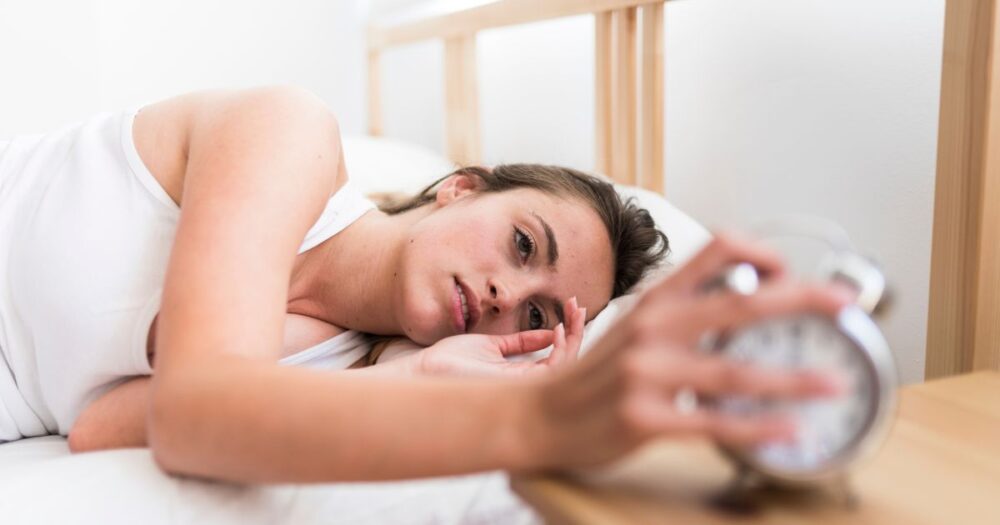
Candida and sleep problems often go hand in hand. In fact, candida overgrowth may contribute to insomnia, fatigue, brain fog, and poor sleep quality in some people. If you’ve been wondering why you can sleep for eight hours and still wake up feeling exhausted, this connection might be the missing piece of your puzzle. Maybe you toss and turn despite being completely worn out, or you wake up feeling like you never truly rested at all. If this sounds familiar, I want to share something with you that might surprise you: the culprit stealing your sleep could be living in your gut.
Sleep problems are one of the most overlooked symptoms of candida overgrowth. Many people focus on digestive complaints, skin issues, or recurring yeast infections, yet fail to connect their poor sleep with an imbalanced gut. According to naturopath Eric Bakker, restoring gut health is often an important step toward improving energy levels, reducing brain fog, and supporting healthy sleep patterns.
As someone who’s walked alongside countless people struggling with mysterious health issues, he’s seen how candida overgrowth can rob you of precious sleep. Addressing it can give you back those restful nights you’ve been missing.
Key Takeaways
- Candida overgrowth can disrupt sleep, leading to feelings of exhaustion and unrest upon waking.
- The gut and sleep are interconnected; poor gut health negatively impacts sleep quality and vice versa.
- Addressing candida requires dietary changes, natural healing supports, and enhanced sleep hygiene practices.
- Common signs of sleep issues due to candida include waking frequently during the night and experiencing brain fog during the day.
- With a comprehensive approach, including supplements and healthy lifestyle shifts, you can reclaim restful sleep and improve gut health.
Estimated reading time: 11 minutes
What’s Really Happening When Candida Takes Over
Let me explain this in simple terms. Candida is like that houseguest who was supposed to stay for a weekend but has now taken over your spare room, eaten all your food, and invited their friends over too.
When candida overgrows in your gut, it doesn’t just stay put. It affects your entire body, including your ability to get the deep, restorative sleep your body desperately needs. What’s particularly frustrating is that poor sleep actually makes the candida problem worse, creating a vicious cycle that can leave you feeling trapped.
Your gut and your sleep are more connected than you might imagine. When your gut microbiome is out of balance, your sleep suffers. And when your sleep suffers, your gut health worsens. This is why tackling both issues together is so important.
👉 Learn more about what candida overgrowth is, why it happens, and how to spot the signs
How Your Gut Communicates With Your Brain While You Sleep
Many people don’t realise that the gut and brain are in constant communication through what scientists call the gut-brain axis.
Your gut produces a significant portion of the body’s serotonin, a neurotransmitter involved in mood regulation and sleep. Serotonin is also required for the production of melatonin, the hormone that helps regulate your sleep-wake cycle.
When candida overgrowth disrupts the gut microbiome, it may affect:
- Serotonin production
- Melatonin synthesis
- Stress hormone regulation
- Nervous system balance
This can leave you feeling tired during the day yet unable to fully relax at night. Some people describe it as feeling exhausted but strangely alert at the same time.
👉 Discover more about the connection between the microbiome and recovery in our guide to healing your gut naturally
Can Candida Cause Insomnia?
While candida is not considered a direct cause of insomnia, many people with candida overgrowth report difficulty falling asleep, frequent waking, or feeling unrefreshed after sleep.
Several factors may contribute:
- Blood sugar fluctuations
- Increased inflammation
- Gut discomfort
- Nutrient deficiencies
- Elevated stress hormones
- Disruption of the microbiota-gut-brain axis (as sleep loss actively alters gut bacteria)
If you experience digestive symptoms alongside sleep issues, it may be worth exploring whether an underlying gut imbalance is contributing to your symptoms.
Sleep Problems Can Have Many Causes
While gut health may play a role in sleep quality for some people, it’s important to remember that sleep disturbances can have many different causes. Stress, anxiety, sleep apnoea, hormone changes, medications, excessive caffeine intake, chronic pain, and other health conditions can all affect your ability to fall asleep or stay asleep.
If sleep problems are persistent, severe, or affecting your daily life, it’s important to speak with a qualified healthcare professional. Addressing gut health may be one part of the puzzle, but it should not replace appropriate medical evaluation when needed.
The Warning Signs Your Body Is Sending You
If you’re experiencing these symptoms, you’re not imagining things, and you’re certainly not alone:
Sleep-Related Signs:
- You fall asleep easily but wake up multiple times during the night
- You sleep for 7-8 hours but feel like you haven’t slept at all
- You have vivid, strange dreams or nightmares
- You wake up with night sweats or feeling too hot or cold
- You feel “wired but tired”
Daytime Struggles:
- You’re still tired no matter how much you sleep
- You experience brain fog
- You crash in the afternoon like you’ve hit a wall
- You crave sugar and carbs, especially when you’re tired
- You feel anxious or on edge, even when there’s no obvious reason
Persistent tiredness is one of the most common complaints among people with candida overgrowth. If fatigue is one of your biggest struggles, you may also find our article on the connection between candida and on-going fatigue helpful, as it explores why yeast overgrowth can leave you feeling exhausted even after a full night’s sleep.
Why Candida Is Sabotaging Your Sleep
1. Your Immune System Is Working Overtime
When candida overgrows, your immune system goes into overdrive to try to contain it. This constant internal stress keeps your body in a state of alertness, preventing deep sleep and proper rest.
2. Inflammation Is Keeping You Awake
Candida can cause intestinal permeability (aka “leaky gut”), which leads to systemic inflammation. This inflammation disrupts your circadian rhythms and makes it harder for your nervous system to settle down at night.
Learn more about the link between intestinal permeability and Candida and how healing your gut lining can support long-term recovery.
3. Your Body Isn’t Getting the Nutrients It Needs
Candida competes with your body for key nutrients like magnesium, zinc, and B vitamins—all essential for good sleep. A deficiency in these nutrients can disrupt neurotransmitter production and melatonin synthesis, keeping your brain on edge when it should be winding down.
Magnesium deserves special attention because it helps calm the nervous system and supports muscle relaxation. Many people struggling with candida also experience digestive dysfunction that may impair nutrient absorption.
Zinc plays a role in immune regulation and sleep quality, while B vitamins support healthy energy production and neurotransmitter function.
If your body is not absorbing nutrients efficiently, achieving restorative sleep becomes much more difficult.
4. Blood Sugar Imbalance
Candida feeds on sugar. As it consumes sugars in your system, it creates blood sugar spikes and crashes that can lead to nighttime wakeups, irritability, and disrupted cortisol levels—all of which affect sleep quality.
Why Do Candida Sufferers Often Wake Up Between 2am and 4am?
Many people dealing with candida report waking during the early hours of the morning.
Several factors may contribute:
- Blood sugar drops overnight
- Elevated cortisol levels
- Inflammation
- Histamine reactions
- Digestive discomfort
While waking occasionally is normal, regularly waking during the same window each night may indicate that your body is struggling with stress regulation or metabolic balance.
Your Roadmap to Better Sleep (And Beating Candida)
Step 1: Starve the Candida (Gently)
Removing candida’s fuel source is a vital first step:
Avoid:
- Sugar and artificial sweeteners (including honey and maple syrup)
- Refined carbs (white bread, pasta, pastries)
- Alcohol
- High-sugar fruits (bananas, grapes, dried fruit)
- Most dairy products (except cultured varieties like kefir or plain yogurt)
Focus On:
- Non-starchy vegetables (greens, cruciferous veg, zucchini, cucumber)
- Healthy fats (avocados, olive oil, coconut oil)
- High-quality proteins (wild-caught fish, grass-fed meat, eggs)
- Fermented vegetables (sauerkraut, kimchi)
- Anti-fungal herbs and spices (garlic, oregano, ginger)
If you’re unsure where to start, our complete candida diet food list can help you build meals that support gut healing while reducing foods that feed yeast overgrowth.
Step 2: Support Your Body’s Natural Healing
Use natural supports to create an environment that’s hostile to candida and supportive of sleep:
Helpful Tools:
- Caprylic acid (found in coconut oil)
- Undecylenic acid (from castor oil derivatives)
- Oregano oil (antifungal, antimicrobial)
- Probiotics (especially multi-strain blends with Lactobacillus and Bifidobacterium)
- Digestive enzymes (to support nutrient absorption and reduce fermentation)
Step 3: Create a Sleep-Supportive Evening Ritual

Sleep hygiene is just as important as diet. Here are some ways to enhance your body’s natural melatonin production and promote deep sleep:
Evening Wind-Down:
- Dim your lights 2-3 hours before bedtime
- Avoid screens or use blue-light filters
- Take a warm bath with Epsom salts (source of magnesium)
- Do gentle yoga, deep breathing, or journaling
Timing Tips:
- Avoid caffeine after 2 PM
- Eat your last meal at least 3 hours before bed
- Go to bed and wake up at the same time every day
What to Expect on Your Healing Journey
Many people wonder, can Candida be cured? The truth is, with the right approach, it’s possible to bring your microbiome back into lasting balance.
Most people begin to feel improvements within 2–4 weeks. You may sleep deeper, wake feeling more refreshed, and experience fewer night wakings. However, it’s common to go through a Herxheimer reaction (die-off) in the first week or two as candida begins to die. This might include fatigue, headache, mood changes, or even temporary worsening of sleep.
If symptoms temporarily worsen, you may be experiencing a Herxheimer reaction. Read our guide to common candida die-off symptoms and practical ways to support your body during the process.
Don’t panic—this is a good sign that your body is shifting. Stay hydrated, go gently, and consider easing into antifungals gradually if symptoms feel intense.
Bottom Line
Candida and sleep problems can create a frustrating cycle. Poor sleep affects the gut, while gut imbalances can make restful sleep harder to achieve. By improving your diet, supporting digestion, restoring beneficial bacteria, and addressing candida overgrowth, many people find they sleep more deeply and wake feeling more refreshed.
Yeastrix Can Help You Reclaim Restful Sleep
If you’re ready to take charge of both candida and sleep issues, Yeastrix can support you with targeted formulas designed for every stage of your gut healing journey.
- Yeastrix Candida Cleanse features potent antifungal ingredients like garlic extract, caprylic acid, undecylenic acid, and oregano extract to help reduce candida overgrowth gently and effectively.
- Yeastrix Daily Probiotic formulated by naturopath Eric Bakker, delivers multiple strains of beneficial bacteria to rebalance your gut flora and support digestion and immune resilience. Rebuilding beneficial bacteria is one of the most important steps in recovery. Learn more about choosing the right probiotics for candida and why strain diversity matters.
- Yeastrix Active Enzymes help break down food more efficiently, reducing fermentation and gas that candida thrives on. Digestive support may also help reduce bloating and improve nutrient absorption. Here’s how digestive enzymes support candida cleansing during recovery.
Together, these products support a comprehensive gut reset while gently restoring balance to your sleep-wake cycles.
What Does Eric Bakker Say About Candida and Sleep?
Naturopath Eric Bakker has spent decades helping people address digestive dysfunction, yeast overgrowth, and chronic fatigue. In his clinical experience, sleep quality often improves when gut health improves.
Rather than focusing solely on sleep supplements, Eric encourages addressing the root causes that may be contributing to both poor digestion and disrupted sleep patterns. This includes improving dietary habits, supporting beneficial bacteria, reducing inflammatory foods, and restoring healthy digestive function.
You Deserve Deep, Restorative Sleep

You don’t have to live with exhaustion, brain fog, or restless nights. The connection between candida and sleep is real, and once you start supporting your gut, your sleep will often follow. With the right dietary shifts, natural supports, and a bit of patience, you can create a body that feels calmer at night and more energised during the day.
Sweet dreams are coming your way.
Frequently Asked Questions About Candida and Sleep
Candida may contribute to insomnia through inflammation, blood sugar instability, gut discomfort, and disruption of the gut-brain axis.
Candida overgrowth may affect nutrient absorption, immune function, and sleep quality, all of which can contribute to ongoing fatigue.
Because the gut microbiome helps influence serotonin production, disruptions in gut health may indirectly affect melatonin production and sleep regulation.
Some research suggests that improving gut health through probiotics may support nervous system balance and healthy sleep patterns.
Many people notice improvements within a few weeks, although recovery timelines vary depending on the severity of symptoms and overall health.
Some people with candida report night sweats, although other medical conditions can also cause them. Inflammation, blood sugar fluctuations, and immune activity may contribute to nighttime temperature changes.
Related Articles
Disclaimer: This article is for educational purposes only and is not intended to diagnose, treat, cure, or prevent any disease. Always seek advice from a qualified healthcare professional regarding any medical condition or symptoms.







Leave a Reply