Can You Eat Dark Chocolate on the Candida Diet? A Guide to Cacao, Cocoa & Carob

Can you eat dark chocolate on the Candida diet? Sometimes—but it depends on the type of chocolate, how much you eat, and where you are in your Candida recovery.
Many people are surprised to learn that dark chocolate, raw cacao, cocoa, carob, and commercial chocolate are not the same thing. While most chocolate bars are high in sugar and aren’t recommended during the early stages of a Candida diet, some forms of cacao and cocoa may be suitable later in recovery when used in moderation.
If you’re new to this topic, our guide to Candida overgrowth explains what it is, common symptoms, and why dietary changes are often recommended during recovery.
In this guide, we’ll explain the differences between cacao, cocoa, carob, and chocolate, why they matter, and how to make the best choices for your gut health.
Quick Answer: Is Dark Chocolate OK on the Candida Diet?
Yes—but only in some situations.
Most commercial chocolate isn’t recommended during the early stages of the Candida diet because it often contains added sugar, milk solids, emulsifiers, and other ingredients that may interfere with gut healing.
However, high-quality dark chocolate (85–100% cacao) or unsweetened raw cacao powder may be enjoyed later in your recovery if:
you tolerate it well,
it contains little or no added sugar,
and it doesn’t trigger cravings or digestive symptoms.
If you’re just starting your Candida recovery, carob is often the gentler choice because it’s naturally caffeine-free and contains no theobromine.
The bottom line: Focus on healing your gut first. Chocolate—even dark chocolate—is best viewed as an occasional food rather than a daily staple during recovery.
Table of contents
- What’s the Difference Between Dark Chocolate, Cacao, Cocoa & Carob?
- Why Most Chocolate Isn’t Recommended
- Is Dark Chocolate OK on the Candida Diet?
- When Is It OK to Eat Dark Chocolate?
- Decision Guide: Can You Eat Chocolate on the Candida Diet?
- Is Raw Cacao OK on the Candida Diet?
- What About Cocoa Powder?
- Is Carob Better Than Chocolate?
- Final Verdict
- Continue Your Candida Recovery
- Frequently Asked Questions
- Selected References
Key Takeaways
- Most commercial chocolate isn’t recommended during the early stages of the Candida diet because it usually contains added sugar and dairy.
- Dark chocolate (85–100% cacao) may be suitable later in recovery if it contains little or no added sugar and doesn’t trigger symptoms.
- Raw cacao and natural cocoa powder can be enjoyed in moderation, but both contain natural stimulants.
- Carob is a caffeine-free alternative that many people find easier to tolerate.
- Listen to your body. Even healthy foods can affect people differently during Candida recovery.
Estimated reading time: 0 minutes
What’s the Difference Between Dark Chocolate, Cacao, Cocoa & Carob?
| Ingredient | Best During Candida Recovery | Notes |
|---|---|---|
| Raw cacao | ✅ Later in recovery | Nutrient-rich but contains theobromine and caffeine |
| Natural cocoa powder | ✅ In moderation | Choose unsweetened, non-Dutch processed |
| Dark chocolate (85–100%) | ⚠️ Sometimes | Watch the sugar content |
| Milk chocolate | ❌ Avoid | High in sugar and dairy |
| White chocolate | ❌ Avoid | Mostly sugar and fat |
| Carob | ✅ Excellent alternative | Naturally caffeine-free |
Understanding the difference is important if you’re following a Candida diet or recovering from Candida overgrowth.
Why Most Chocolate Isn’t Recommended
Most chocolate bars aren’t recommended during the early stages of a Candida diet—not because cocoa itself is the problem, but because commercial chocolate usually contains ingredients that don’t support gut healing.
Common reasons include:
- Added sugar, which may contribute to sugar cravings and isn’t recommended during the early stages of a Candida-focused diet.
- Milk solids, which some people with digestive issues may not tolerate well.
- Emulsifiers and additives, which offer little nutritional value.
- Lower cocoa content, meaning you’re often eating more sugar than cacao.
That’s why the type of chocolate matters. An 85–100% dark chocolate is very different from a standard milk chocolate bar.
Is Dark Chocolate OK on the Candida Diet?
Sometimes—but it depends on the type of dark chocolate, how much you eat, and where you are in your Candida recovery.
Dark chocolate is often viewed as a healthier alternative to milk chocolate because it contains more cocoa solids and less sugar. However, not all dark chocolate is created equal. Many products labelled “dark chocolate” still contain significant amounts of sugar, milk solids, emulsifiers, and artificial flavourings.
If you’re following a Candida diet, it’s important to read the ingredient list—not just the percentage of cocoa.
What to Look For
If you decide to include dark chocolate later in your recovery, choose one that:
- Contains 85–100% cocoa
- Has little or no added sugar
- Contains no milk solids
- Has a short, simple ingredient list with minimal additives
Remember that a higher cocoa percentage doesn’t automatically make a chocolate Candida-friendly. Always check the ingredient list for added sugar, milk solids, and unnecessary additives.
Is Dark Chocolate Better Than Milk Chocolate?
Generally, yes.
Milk chocolate usually contains much more sugar and dairy than dark chocolate, making it a less suitable choice if you’re trying to support gut health.
Dark chocolate also contains more beneficial plant compounds called flavonoids, along with minerals such as magnesium. However, it still contains caffeine and theobromine, which may trigger cravings or overstimulate sensitive individuals.
For that reason, many people find it’s best enjoyed as an occasional treat rather than an everyday food.
When Is It OK to Eat Dark Chocolate?
If you’re in the early stages of a Candida diet, it’s usually best to avoid chocolate altogether while your gut is healing.
Later in recovery, a small amount of high-quality dark chocolate (85–100%) may be suitable for some people, provided it doesn’t trigger cravings or digestive symptoms.
If you’re looking for the gentlest option, carob remains an excellent caffeine-free alternative.
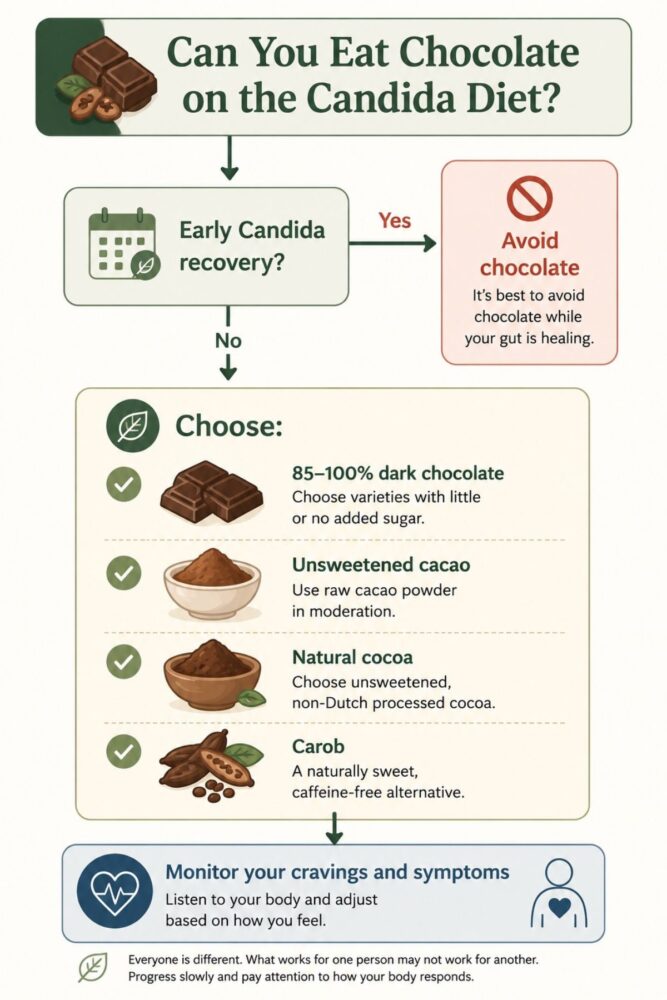
Decision Guide: Can You Eat Chocolate on the Candida Diet?
Not sure where to start? This simple decision guide summarises the best choices depending on where you are in your Candida recovery.
Is Raw Cacao OK on the Candida Diet?
Did You Know?
Cacao, cocoa, and chocolate all come from the same tropical tree:
Theobroma cacao, which literally means “food of the gods.”
There are several varieties:
Criollo – rare and fine-flavoured
Forastero – robust and widely used
Trinitario – a hybrid of the two
On the other hand, Carob comes from a totally different plant: Ceratonia siliqua, a Mediterranean tree in the legume family.
Its sweet pods are dried and ground into powder, often used as a caffeine-free chocolate alternative.
Raw cacao may be a better option than commercial chocolate because it contains no added sugar or dairy. It’s also naturally rich in antioxidants, magnesium, and flavonoids. However, it still contains naturally occurring caffeine and theobromine, which some people find stimulating or difficult to tolerate.
Raw cacao and dark chocolate also contain naturally occurring oxalates. For most people, this isn’t a concern and doesn’t mean these foods need to be avoided. However, if you’ve been advised to follow a low-oxalate diet or have a history of calcium oxalate kidney stones, it’s worth understanding how oxalates fit into a balanced diet. Learn more in our guide to Oxalates and Gut Health: What You Need to Know Before Starting a Supplement.
If you’re still in the early stages of a Candida diet, it’s usually best to introduce cacao cautiously and monitor how your body responds.
If you’d like to try it, choose unsweetened raw cacao powder and use it in simple recipes such as our Yeastrix Cacao Crave Bombs.
What About Cocoa Powder?
Natural cocoa powder can also be included later in Candida recovery, provided it’s pure and unsweetened. Many supermarket cocoa products contain added sugar or have been heavily processed, so it’s important to read the label carefully.
Look for:
- Organic cocoa powder
- No added sugars or milk solids
- No emulsifiers or artificial flavours
Avoid hot chocolate mixes or any cocoa blends with sugar, dairy, or sweeteners.
What About Dutch-Processed Cocoa (Processed with Alkali)?
You may see cocoa labeled as “processed with alkali” or “Dutch-processed.” This means it has been treated with an alkaline solution to make it smoother, darker, and less bitter. However, this process also reduces the cocoa’s natural antioxidants, especially the flavonoids that offer health benefits. Dutch-processed cocoa is more refined and typically found in commercial baking products. For the Candida diet, it’s best to avoid Dutch-processed cocoa and choose raw cacao or natural, unsweetened cocoa powder instead.
Is Carob Better Than Chocolate?
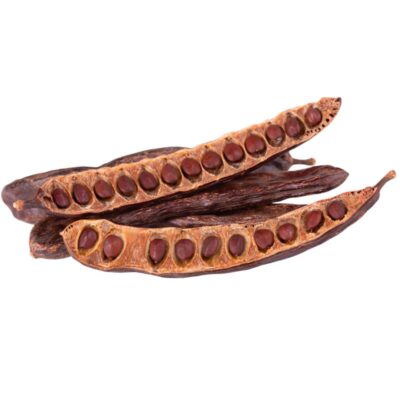
For many people, yes.Carob is a gentle, caffeine-free alternative to cacao. It’s naturally sweet, so you often don’t need to add any extra sweetener.
Benefits of carob:
- No caffeine or theobromine
- Doesn’t overstimulate the nervous system
- Easier on sensitive digestion
Watch out for:
- Carob chips with added sugar or dairy
- Flavoured carob syrups or powders
Carob can be a great option during the early stages of the Candida diet, especially when you’re avoiding all stimulants.
Final Verdict
Can you eat dark chocolate on the Candida diet?
Yes—but timing matters.
During the early stages of Candida recovery, it’s usually best to avoid chocolate altogether while you focus on reducing added sugars and supporting gut healing.
As your digestion improves, some people can tolerate small amounts of high-quality dark chocolate (85–100% cacao) or unsweetened cacao powder, provided they don’t trigger cravings or digestive symptoms.
If you’re looking for the gentlest option, unsweetened carob remains an excellent caffeine-free alternative.
Rather than asking,
“Can I eat chocolate?”
a better question is
“Is my gut ready for chocolate?”
Listening to your body, choosing minimally processed foods, and introducing treats gradually is usually a much more sustainable approach than relying on strict food rules alone.
Continue Your Candida Recovery
If you’re building a Candida-friendly lifestyle, these guides may also help:
• Sugar Cravings and Gut Health
• Best Sweeteners for the Candida Diet
• Can I Drink Coffee on the Candida Diet?
Frequently Asked Questions
Sometimes. High-quality dark chocolate (85–100% cacao) may be suitable later in Candida recovery if it contains little or no added sugar and doesn’t trigger cravings or digestive symptoms. During the early stages of recovery, it’s generally best to avoid chocolate altogether.
A small amount of 90% dark chocolate may be appropriate later in recovery, provided it’s low in sugar and well tolerated. Pay attention to ingredient quality, portion size, and how your body responds.
Raw cacao is less processed than most commercial chocolate and contains no added sugar or dairy. However, it still contains caffeine and theobromine, so it should be introduced gradually and used in moderation.
Yes, if it’s pure, unsweetened, and preferably natural rather than Dutch-processed. Avoid hot chocolate mixes and cocoa products containing sugar, milk solids, or artificial ingredients.
For many people, yes. Carob is naturally caffeine-free, contains no theobromine, and is often easier to tolerate during the early stages of Candida recovery. Choose unsweetened products whenever possible.
Chocolate contains naturally occurring compounds such as caffeine and theobromine, along with small amounts of phenylethylamine. Some people find these compounds stimulating, while sugary chocolate products may also encourage further sweet cravings.
If you’ve progressed beyond the early stages of recovery, look for chocolate that contains 85–100% cacao, minimal ingredients, and little or no added sugar. Many people find that unsweetened cacao powder or carob are even better choices.
If you’re actively treating Candida, it’s usually best to avoid chocolate during the early stages of recovery. Most chocolate products contain added sugar, which isn’t recommended during a Candida-focused diet, and even dark chocolate contains naturally occurring caffeine and theobromine that may trigger cravings or digestive symptoms in some people.
As your gut health improves, you may be able to enjoy small amounts of high-quality dark chocolate (85–100% cacao) or unsweetened cacao powder, provided they’re low in sugar and don’t cause symptoms. If you’re unsure, unsweetened carob is often the gentlest alternative because it’s naturally caffeine-free and contains no theobromine.
Selected References
- Katz DL, Doughty K, Ali A. Cocoa and Chocolate in Human Health and Disease. Antioxidants & Redox Signaling.
- Martín MÁ, Ramos S. Cocoa Polyphenols in Oxidative Stress and Health. Oxidative Medicine and Cellular Longevity.
- USDA FoodData Central. Cocoa Powder, Unsweetened.
- European Food Safety Authority (EFSA). Scientific Opinion on the substantiation of a health claim related to cocoa flavanols and maintenance of normal endothelium-dependent vasodilation.
- Harvard T.H. Chan School of Public Health. The Nutrition Source: Chocolate.
- National Institutes of Health, Office of Dietary Supplements. Magnesium Fact Sheet for Health Professionals.
Disclaimer: This article is for informational purposes only and is not intended to diagnose, treat, cure, or prevent any disease. Always consult with your healthcare practitioner before making changes to your diet, supplements, or health regimen, especially if you have a medical condition or are taking medication.