How to Choose the Best Probiotic for Candidiasis: What Really Matters

Understanding the Best Probiotic for Candidiasis
If you’re searching for the best probiotic for candidiasis, thrush, or recurrent yeast infections, you’ve probably discovered that there are hundreds of probiotic products making similar promises.
The reality is that not all probiotics are the same. The strains they contain, the number of live bacteria, capsule technology, and overall formulation can all influence how a probiotic may support digestive and vaginal microbial balance.
In this guide, we’ll explain what to look for in a quality probiotic and why these factors matter.
Key Takeaways
- Candidiasis results from an overgrowth of Candida, leading to various symptoms like yeast infections and bloating.
- Probiotics may help support gut balance, microbial diversity, and normal immune function.
- Yeastrix Daily Probiotic contains 35 billion CFU and 17 probiotic strains selected to support digestive and gut health.
- A well-formulated probiotic may support digestive health, gut balance, and overall wellbeing as part of a healthy lifestyle.
- While probiotics are essential, a complete approach may also involve diet and additional treatments for effective candidiasis management.
Estimated reading time: 12 minutes
What Exactly Is Candidiasis?
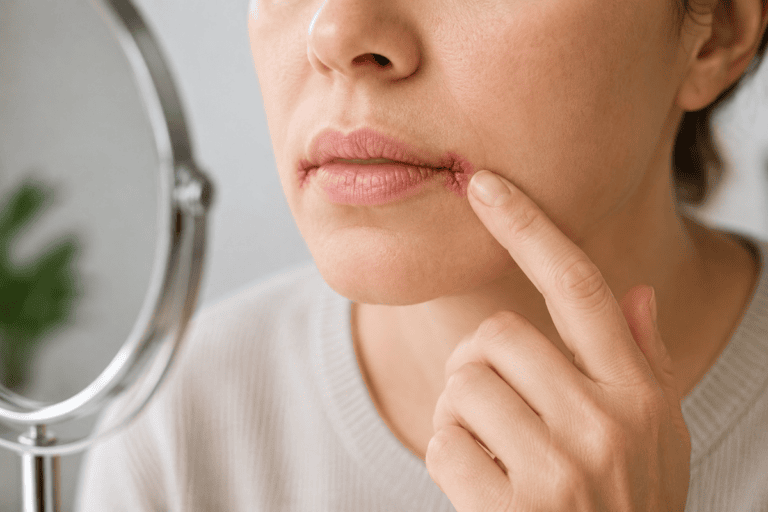
Candidiasis is caused by an overgrowth of Candida, a yeast that naturally lives in your body — mostly in your gut, mouth, skin, and reproductive tract. In small amounts, it’s harmless. But when things go out of balance (thanks to antibiotics, sugar, stress, or hormonal shifts), Candida can multiply rapidly and lead to symptoms like:
- Recurring yeast infections
- Thrush (oral candidiasis)
- Bloating and digestive discomfort
- Fatigue and brain fog
- Rashes or itchy skin
Supporting a healthy gut microbiome often involves more than dietary changes alone. For many people, a well-formulated probiotic can be a valuable part of a broader gut health plan.
The Role of Probiotics in Supporting Gut Balance
Probiotics are friendly bacteria that live in your gut and help keep everything in balance. When Candida becomes overgrown, it often means your good bacteria have been wiped out or weakened.
Certain probiotic strains have been studied for their potential to:
• support microbial balance
• support normal immune function
• help maintain the gut barrier
• support digestive health
Current research suggests that certain probiotic strains may help support microbial balance, maintain gut barrier function, and contribute to digestive and immune health. However, not all probiotics have been studied equally, and much of the evidence is strain-specific.
Recent systematic reviews indicate that probiotic effectiveness depends on factors such as strain selection, formulation quality, survivability, and consistent use, rather than CFU count alone.
Not all probiotic formulations are the same. Differences in strain diversity, potency, capsule design, and ingredient quality can influence how a product performs. If you’re specifically looking at probiotics for recurrent vaginal yeast infections, our evidence-based guide, Probiotics for Yeast Infections: What the Research Says About Prevention, Treatment & Recovery, explores the latest clinical research, the probiotic strains with the strongest evidence, and how probiotics fit alongside conventional treatment.
The following section outlines some of the key factors to consider when comparing probiotic supplements.ms. In reality, several factors work together to determine the quality of a probiotic. Use the checklist below when comparing different products.
| Feature | Why It Matters |
|---|---|
| Multiple probiotic strains | Different strains may support different aspects of digestive and immune health. |
| High CFU count | A higher number of live microorganisms may help provide adequate probiotic support, although CFU count isn’t the only factor to consider. |
| Delayed-release capsules | Help protect probiotics from stomach acid so more bacteria reach the intestines alive. |
| Clinically researched strains | Some strains have been studied more extensively for their potential role in supporting gut health and microbial balance. |
| Clean ingredient list | Choosing products without unnecessary fillers, artificial colours, or common allergens may suit people with dietary sensitivities. |
Once you know what to look for, it’s much easier to evaluate whether a probiotic meets these criteria. Let’s see how Yeastrix Daily Probiotic compares.
What Is the Best Probiotic for Thrush?
If you’re searching for the best probiotic for thrush, it’s important to look beyond the number of bacteria listed on the label.
Thrush is commonly used to describe a Candida yeast infection, including vaginal or oral candidiasis. Research into probiotics and yeast infections has focused on particular strains and combinations, rather than probiotics as a single category.
When comparing probiotic products, look for clearly identified strains, appropriate amounts of live microorganisms, good formulation and stability, and evidence relevant to the type of yeast infection you’re concerned about.
Some probiotic strains, including Lactobacillus rhamnosus and Lactobacillus reuteri, have been studied in relation to vaginal microbial balance and recurrent vulvovaginal candidiasis. However, probiotics should not be considered a replacement for appropriate antifungal treatment when a Candida infection has been diagnosed.
For a detailed look at the clinical research, see our guide to Probiotics for Yeast Infections: What the Research Says About Prevention, Treatment & Recovery.
Can Probiotics Make Candida Symptoms Feel Worse at First?
Some people notice temporary digestive changes when they first start taking a probiotic. These may include mild bloating, changes in bowel habits, or increased gas during the first few days.
These effects are often temporary as the gut microbiome adjusts to the introduction of beneficial bacteria. While some people refer to this as “Candida die-off,” there is currently limited scientific evidence confirming that probiotics themselves cause a die-off reaction.
Everyone responds differently. Many people experience no noticeable changes at all, while others find their digestive system settles within a week or two.
If symptoms are severe, persist, or you have concerns about your health, it’s important to speak with your healthcare professional.
Want to know what the research says about probiotics and recurrent vaginal yeast infections? Read Probiotics for Yeast Infections: What the Research Says About Prevention, Treatment & Recovery for a detailed review of the evidence.
How Long Does It Take for Probiotics to Work?
There’s no single timeline because every person’s gut microbiome is unique.
Some people notice improvements in digestive comfort within a few weeks, while others may require longer periods of consistent use before experiencing benefits.
Factors that may influence how quickly probiotics work include:
- Your current gut health
- Your diet and lifestyle
- Recent antibiotic use
- Stress levels
- Sleep quality
- The probiotic strains and formulation used
Like many healthy habits, probiotics tend to work best when taken consistently as part of a balanced lifestyle rather than as a quick fix.
Should You Take Probiotics with Anti-fungal Supplements?
Many practitioners recommend using probiotics alongside other gut-support strategies as part of a broader approach to digestive health.
While antifungal supplements are often used to help manage yeast overgrowth, probiotics are intended to support beneficial bacteria and help maintain a healthy balance within the gut microbiome.
Some people also combine probiotics with dietary changes and digestive enzymes as part of a comprehensive wellness plan.
If you’re taking prescription antifungal medication or have an underlying medical condition, it’s always best to seek personalised advice from your doctor or qualified healthcare professional before combining supplements.
Can Diet Affect How Well Probiotics Work?
Absolutely.
Probiotics introduce beneficial bacteria, but those bacteria also need a supportive environment to thrive.
A diet rich in vegetables, fibre, legumes (where appropriate), nuts, seeds, and other whole foods helps provide nourishment for your existing gut microbiome. On the other hand, highly processed foods and excessive added sugars may contribute to an imbalance in the gut for some individuals.
Regular exercise, quality sleep, stress management, and staying hydrated also play important roles in supporting digestive health.
Rather than relying on a single supplement, many healthcare practitioners recommend viewing probiotics as one part of a broader, long-term approach to maintaining a healthy gut microbiome.
Evaluating Yeastrix Daily Probiotic Against These Standards
Now that we’ve covered what to look for in a quality probiotic, let’s see how Yeastrix Daily Probiotic measures up.
Developed by naturopath Eric Bakker after decades of working with people experiencing digestive health concerns, Yeastrix Daily Probiotic was formulated with strain diversity, potency, survivability, and ingredient quality in mind. Rather than focusing on a single feature, the formula was designed to support a healthy gut microbiome through a combination of clinically researched probiotic strains, delayed-release capsules, and a clean, allergy-friendly formulation.
Why 17 Strains Instead of Just a Few?
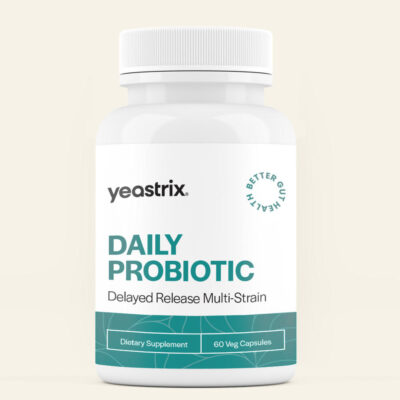
Research suggests that different probiotic strains may support digestive health in different ways. Some strains have been studied for their role in maintaining microbial balance, others for supporting the gut barrier, while some may help support normal immune function.
This is one reason multi-strain formulations are often preferred over products containing only one or two strains.
Delayed-Release Capsules
Each capsule is delayed-release to help protect the probiotics from stomach acid and support delivery to the intestines, where they can be most effective.
Clean and Allergy-Friendly
Yeastrix Daily Probiotic uses vegetable capsules and is free from dairy, gluten, soy, artificial sweeteners, and preservatives — making it ideal for people with sensitivities.
Understanding Potential Side Effects
Understanding Temporary Digestive Changes
Some people notice mild bloating, gas, or changes in bowel habits when first introducing a probiotic. These changes are usually temporary as the gut microbiome adjusts.
Although some people refer to these symptoms as “Candida die-off,” current scientific evidence does not clearly demonstrate that probiotics themselves trigger a die-off reaction.
If symptoms are severe or persist, seek advice from your healthcare professional.
Although Yeastrix Daily Probiotic is designed with candidiasis in mind, its benefits go far beyond yeast control. This broad-spectrum formula also helps:
- Ease bloating, gas, and digestive discomfort
- Support normal immune function
- Support healthy digestion and nutrient absorption
- Support mood and mental clarity via the gut-brain axis
- Rebuild gut flora after antibiotics or illness
In short, it’s a solid daily choice for anyone looking to support long-term gut and immune health — not just those dealing with Candida.
Are Probiotics Alone Enough for Candidiasis?
While probiotics are essential, they’re just one piece of the puzzle. Candida species are capable of forming biofilms, which may make established infections more difficult to manage in some situations.Laboratory research suggests that Candida biofilms can be more difficult to manage than free-floating yeast cells, which is one reason practitioners often recommend a broader, multi-faceted approach to gut health.
That’s why Yeastrix also offers a Gut Restore Kit, which pairs the Daily Probiotic with targeted herbal antifungals and biofilm-breaking enzymes. It combines probiotics, enzymes, and herbal ingredients designed to support digestive and gut health as part of a broader wellness approach.
Frequently Asked Questions About Probiotics and Candidiasis
Research has focused on several probiotic strains that may help support a balanced gut microbiome, including Lactobacillus rhamnosus, Lactobacillus reuteri, Lactobacillus acidophilus, and certain Bifidobacterium species. Multi-strain probiotic formulas are often preferred because they provide a broader range of beneficial bacteria that can support digestive and immune health.
Everyone is different, but many people begin noticing digestive improvements within a few weeks of consistent probiotic use. Factors such as diet, lifestyle, stress levels, antibiotic use, and overall gut health can all influence how quickly results are experienced. Consistency is often more important than taking a high dose for a short period.
In many cases, probiotics and antifungal supplements are used together as part of a broader gut health strategy. Probiotics help support beneficial bacteria, while antifungal products may be used to address yeast overgrowth. If you are taking prescription medications or have a medical condition, it is best to seek advice from a qualified healthcare professional before combining supplements.
The best time to take a probiotic depends on the product. Some probiotics are designed to be taken before meals, while others may be taken with food. Always follow the manufacturer’s directions. Delayed-release probiotic capsules are specifically designed to help protect beneficial bacteria as they pass through the digestive system.
There is no single CFU number that is right for everyone. While higher CFU counts can be beneficial, strain diversity, survivability, and formulation quality are equally important. A well-designed probiotic containing multiple researched strains may offer more comprehensive support than a high-CFU product with limited strain diversity.
There is no single probiotic that can be considered the best for everyone with thrush. Research has examined specific probiotic strains, particularly Lactobacillus strains, for their potential role in supporting vaginal microbial balance and recurrent yeast infection management. When choosing a probiotic, look for clearly identified strains, appropriate potency, quality formulation, and evidence relevant to your needs. Probiotics should complement, rather than replace, appropriate treatment for diagnosed thrush.
Final Thoughts
When choosing a probiotic for candidiasis, it’s important to look beyond marketing claims and focus on factors such as strain diversity, potency, survivability, and overall formulation quality.
Yeastrix Daily Probiotic was developed by naturopath Eric Bakker using insights gained from decades of working with people experiencing digestive health concerns. The formula combines 17 probiotic strains, 35 billion CFU per serving, and delayed-release capsules designed to help the probiotics reach the intestines.
While no single supplement is right for everyone, a well-formulated probiotic may be a valuable part of a broader approach that includes diet, lifestyle, and digestive support. The goal is not simply to add more bacteria, but to support a healthy and balanced gut microbiome over time. If you’re unsure which probiotic is right for you, speaking with a qualified healthcare professional can help you choose an option that’s appropriate for your individual needs.
Related Readings
This article is intended for educational and informational purposes only and is not a substitute for professional medical advice, diagnosis, or treatment. Always consult with a qualified healthcare provider before starting any new treatment or supplement, especially if you have a pre-existing medical condition or are taking medication. The recommendations here reflect a naturopathic approach and are not meant to replace conventional care when it is required. Individual results may vary