Can You Eat Sourdough Bread on the Candida Diet?
Quick Answer: Can you eat sourdough bread on a Candida diet?
Usually no during the early stages of a Candida cleanse. Although sourdough is easier to digest than regular bread, it still contains carbohydrates that convert to sugar. Many people reintroduce small amounts later once symptoms improve.
Yes, sourdough bread is generally healthier than conventional bread, but it is usually not recommended during the early stages of a Candida diet because it still contains carbohydrates that break down into sugars that may feed yeast. Once symptoms are under control, some people can reintroduce small amounts.
Let’s take a practical look at how sourdough affects the gut and whether it belongs in a candida-supportive diet.
Understanding Candida and Why Diet Matters
Candida is a yeast that naturally lives in the digestive tract. Normally, it’s kept under control by beneficial gut bacteria and a healthy immune system. However, when balance is disrupted, candida can multiply and lead to symptoms such as bloating, fatigue, brain fog, thrush, skin issues, and sugar cravings.
Because candida feeds on sugar, diet plays a central role in controlling yeast overgrowth. Importantly, sugar doesn’t only come from sweets. It also forms when carbohydrates — including bread — are broken down during digestion.
As a result, many people following a candida diet question whether any bread is appropriate, including sourdough.
Key Takeaways
- Sourdough bread is often seen as healthier but raises concerns for those with candida due to its sugar conversion in the gut.
- While sourdough can be easier to digest, it may still feed candida, especially in individuals with active overgrowth.
- Timing is crucial; sourdough may be acceptable when symptoms are controlled and gut health is improving.
- Wholegrain sourdough is generally better than white, but individual tolerance and portion sizes matter.
- For those avoiding sourdough, alternatives like almond or coconut flour bread are safer options to include in a candida diet.
Estimated reading time: 8 minutes
What Makes Sourdough Bread Different?
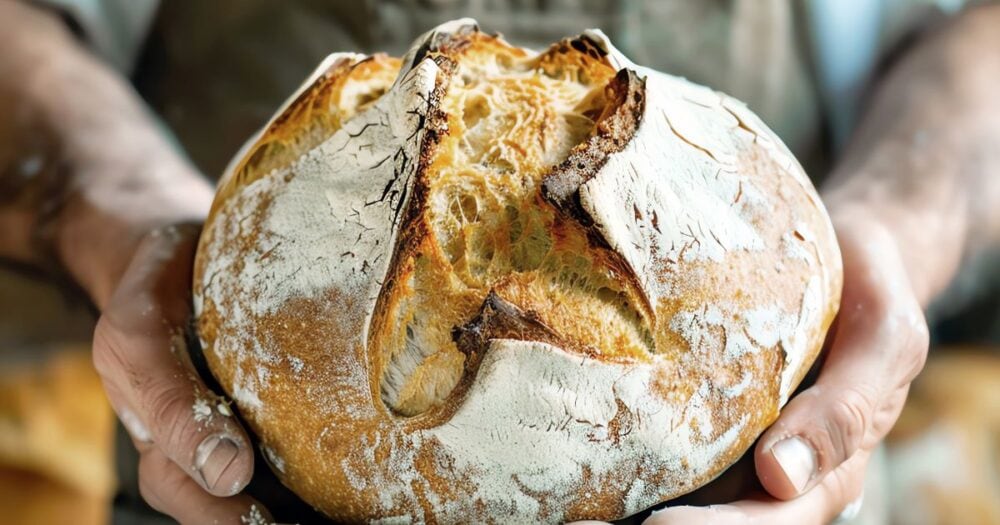
Unlike conventional bread, sourdough bread is made using wild yeast and beneficial bacteria rather than commercial baker’s yeast. This natural fermentation process occurs over a longer period and helps to:
- Break down some carbohydrates
- Reduce phytic acid
- Slightly lower the glycaemic response
Research suggests that traditional sourdough fermentation may improve bread digestibility and produce a lower glycaemic response compared with bread made using baker’s yeast alone. However, sourdough still contains carbohydrates that are broken down during digestion. While the fermentation process changes the structure of the bread, it does not eliminate all starches and sugars, which is why some people with active Candida overgrowth may choose to limit sourdough during the early stages of a cleanse.
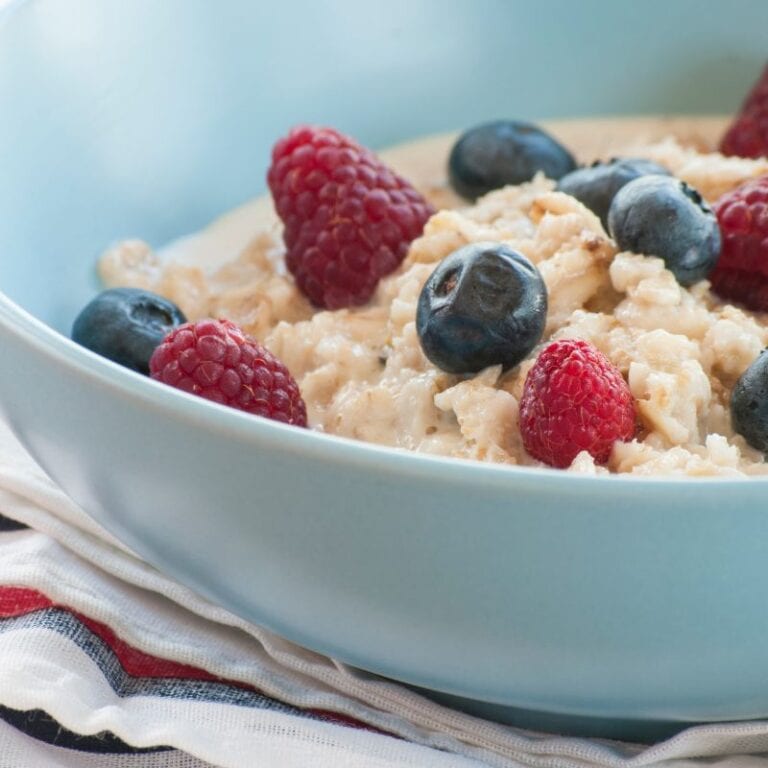
Similar questions arise around other carbohydrate-rich foods such as oats, brown rice, and bananas. Individual tolerance, portion size, and the stage of your healing journey can all influence how well these foods fit into a Candida-focused diet.
Sourdough Bread and Candida: The Main Concern
The key issue with sourdough bread candida diets is simple but important:
💡 Key Point
Fermentation doesn’t remove all the carbohydrates from sourdough bread. It still breaks down into sugars during digestion, so it may not be suitable during the early stages of a Candida diet.
Although fermentation reduces some sugars, enough carbohydrates remain to potentially feed candida — particularly in people with active yeast overgrowth.
For this reason, sourdough can sometimes feel “fine” initially, yet symptoms such as bloating, cravings, or fatigue quietly return over time.
Therefore, even fermented bread should be approached with caution during candida recovery. Or at least, leave it alone during the first, initial phase of the diet. And then – moderation. Moderation is key.
Is Sourdough Bread Allowed on a Candida Diet?
In some cases, yes — but timing is everything.
Sourdough bread may be tolerated when:
- Candida symptoms are well controlled
- Sugar cravings have settled
- Digestive function has improved
- Gut bacteria balance is being restored
However, during the early or active stages of candida overgrowth, sourdough is usually best avoided. This temporary restriction helps reduce yeast fuel and supports gut healing more effectively.
Importantly, avoiding sourdough isn’t about long-term deprivation. Instead, it’s about creating the right conditions for recovery first.
Which Breads Are Best During Candida Recovery?
| Bread Type | Early Candida Cleanse | Later Stages of Recovery |
|---|---|---|
| White bread | ❌ Avoid | ⚠️ Occasionally, if well tolerated |
| Wholemeal bread | ❌ Avoid | ⚠️ Small amounts |
| Traditional sourdough | ❌ Usually avoid | ✅ Small portions may be suitable |
| Rye sourdough | ❌ Usually avoid | ✅ May be better tolerated than white sourdough |
| Almond flour bread | ✅ Suitable | ✅ Suitable |
| Coconut flour bread | ✅ Suitable | ✅ Suitable |
| Flaxseed or seed bread | ✅ Suitable | ✅ Suitable |
Everyone responds differently. Reintroduce higher-carbohydrate foods gradually and monitor your symptoms.
As you can see, it’s not simply a question of whether bread is “healthy.” The stage of your Candida recovery and the type of bread you choose both make a significant difference.
Wholegrain vs White Sourdough: Is One Better?
Generally speaking, wholegrain or rye sourdough is a better option than white sourdough. This is because higher fibre content can slow sugar absorption and support digestion.
That said, even wholegrain sourdough can still contribute to yeast activity if eaten too early in the healing process or too frequently.
In other words, portion size and individual tolerance matter just as much as the type of flour used.
Many people are surprised to learn that foods often considered healthy can still raise questions on a Candida diet. Bananas are a good example. While green bananas contain more resistant starch than ripe bananas, their suitability depends on timing and individual tolerance. Learn more in our guide: Can You Eat Bananas on the Candida Diet?
How Sourdough Affects Gut Health
Sourdough fermentation produces organic acids that can support digestion and gut health. Additionally, fermented foods may help beneficial bacteria thrive over time.
However, when candida is dominant, adding carbohydrate-based fermented foods can backfire. At this stage, the focus should be on:
- Reducing yeast fuel
- Supporting digestion
- Rebalancing gut bacteria
Once this balance improves, some fermented foods — including limited sourdough — may be better tolerated.
Why “Healthy” Bread Can Still Feed Candida
Even nutrient-dense or traditionally prepared foods can stall candida recovery if they break down into sugars. Healing is about timing, not food labels.
Better Bread Alternatives for Candida Overgrowth
If you’re following a candida diet and avoiding sourdough, there are safer alternatives that are less likely to feed yeast:
- Almond flour bread
- Coconut flour bread
- Flaxseed or seed-based bread
- Yeast-free, low-carb bread options
These choices typically have a lower carbohydrate load and are easier to include during candida cleansing.
Do Bread Cravings Ease on the Candida Diet?
Yes. As blood sugar stabilises and yeast activity reduces, many people find cravings naturally diminish within a few weeks.
Final Thoughts on Sourdough Bread and Candida
When it comes to sourdough bread candida, the takeaway is clear:
- Sourdough is better than conventional bread
- However, it’s rarely ideal during active candida overgrowth
- It may be reintroduced later, carefully and in small amounts
Listening to your body is essential. If symptoms return, that’s useful feedback — not failure. Candida recovery works best when diet, digestion, and gut balance are addressed together.
FAQs
Is sourdough bread allowed on a candida diet?
Sourdough bread is usually not recommended during active candida overgrowth because it still contains carbohydrates that can feed yeast. Some people may tolerate small amounts once their gut health and candida symptoms have improved.
Is sourdough better than regular bread for candida?
Yes, sourdough is generally easier to digest than conventional bread due to fermentation. However, “easier digestion” does not automatically mean it’s safe for candida. If you’re looking for alternative breakfast carbohydrates during a Candida cleanse, you may also be interested in our article Can You Eat Oats on the Candida Diet?
Does sourdough feed candida?
It can. While fermentation reduces some sugars, sourdough still contains carbohydrates that candida yeast can use for growth.
Can I eat sourdough if my candida symptoms are improving?
Possibly. If your symptoms are well controlled, you may be able to reintroduce small amounts of sourdough. Portion size and individual tolerance are key.
What are better bread alternatives for a candida diet?
Low-carb, yeast-free breads made from almond flour, coconut flour, or flaxseed are generally safer during a candida cleanse. Some people also choose to include small amounts of whole-food carbohydrates such as brown rice later in their healing journey. Read Can You Eat Brown Rice on the Candida Diet?
Why doesn’t easier digestion mean it’s candida-friendly?
Even though sourdough is gentler on digestion, it still contains carbs that break down into sugar, which can feed yeast. Digestibility doesn’t equal safety for candida overgrowth.
Many Candida diets recommend avoiding most breads during the early stages of a cleanse because they contain carbohydrates that break down into sugar. As symptoms improve, some people choose to reintroduce certain breads, such as traditional sourdough, in moderation while monitoring how they feel.