
Can You Eat Oats on the Candida Diet? (Steel-Cut vs Rolled vs Instant)
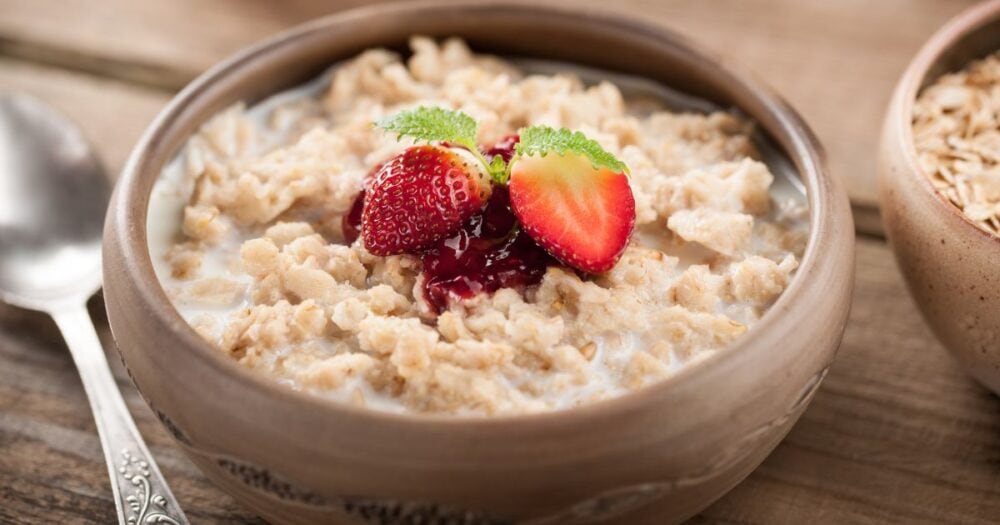
Oats on a Candida Cleanse — Yes or No?
If you’re navigating a Candida diet, you already know how confusing it can be to figure out which foods are safe, and which ones might be feeding the problem. One of the most common questions I get is:
“Can you eat oats on the Candida diet?”
The short answer is… it depends. But the longer answer might surprise you.
Let’s take a closer look at oats, why they’re sometimes questioned on a Candida diet, when they may fit, and how to include them as part of a balanced eating pattern.
Quick Answer: Can You Eat Oats on a Candida Diet?
Yes, many people can eat oats on a Candida diet, but timing matters.
During the early stages of a strict Candida cleanse, it may be best to avoid oats temporarily while reducing sugars and refined carbohydrates. However, once symptoms have improved, steel-cut oats can be a nutritious addition to the diet thanks to their fiber, beta-glucans, and lower glycemic impact compared with more processed grains.
If you decide to include oats, choose steel-cut oats over instant varieties, keep portions moderate, and pay attention to how your body responds. Some people tolerate oats well, while others find they trigger bloating, cravings, or digestive discomfort.
Watch: Can You Eat Oats on the Candida Diet?
Still wondering whether oats belong on a Candida diet? Eric Bakker N.D. takes a closer look at oats, including the differences between steel-cut, rolled and instant oats, and how they may fit into a Candida-conscious eating plan.
If you’re new to the Candida diet, our comprehensive guide Candida Diet: Complete Food List and Beginner’s Guide explains which foods are generally encouraged, which foods are commonly avoided, and how to build a sustainable eating plan for long-term gut health.
Key Takeaways
- Oats can be included in a Candida diet, but it depends on your healing stage and individual response.
- Whole oats provide beneficial fiber and beta-glucans, supporting gut health and immune function.
- Steel-cut oats are generally the best option if you’re including oats, while highly processed or sweetened instant oats are less ideal.
- Choose reputable oat brands, look for certified gluten-free oats if needed, and store them properly.
- Listen to your body, start slow, and pair oats with healthy fats and proteins to minimize sugar spikes.
Estimated reading time: 17 minutes
Why Oats Are Confusing on a Candida Diet
The Candida diet is designed to starve excess yeast by removing the sugars and refined carbohydrates that feed fungal overgrowth in the gut. Since oats are a source of carbohydrate, some people assume they’re automatically off the menu.
But that’s not always the case.
Unlike refined grains (like white bread, sugary cereal, or pastries), whole oats offer a rich spectrum of fiber, minerals, and gut-nourishing compounds. For some people, especially in later stages of healing, oats can be a gentle, satisfying way to bring balance back into their routine.
Refined grains are grains that have been stripped of their bran and germ — the parts that contain most of the fiber, vitamins, and minerals. What you’re left with is a more rapidly digested carbohydrate that can raise blood glucose more quickly than a less processed whole grain. For this reason, refined grains are often limited in dietary approaches that focus on reducing added sugars and highly processed carbohydrates.
Do Oats Feed Candida?
Oats contain carbohydrates, and carbohydrates are ultimately broken down into glucose during digestion. Candida can utilise glucose, but that doesn’t mean eating a carbohydrate-containing food automatically causes or worsens Candida overgrowth in the body.
The key difference is how quickly a food is digested and absorbed. Whole oats, particularly steel-cut oats, contain fiber and beta-glucans that slow digestion and help reduce rapid spikes in blood sugar. This creates a steadier release of energy compared with highly processed carbohydrates like white bread, crackers, pastries, or instant oatmeal.
In my experience, the bigger concern isn’t oats themselves — it’s the overall pattern of the diet. If you’re eating large amounts of sugar, refined carbohydrates, sweetened drinks, and processed foods, a diet high in added sugars and highly refined carbohydrates may be less supportive of overall metabolic and gut health. A small serving of steel-cut oats as part of a balanced meal containing protein, healthy fats, and fiber is far less likely to cause problems for most people.
That said, if you’re using soaked or fermented oats (like overnight oats made with plain, unsweetened yogurt), those may contain some lactic acid. If you’re wondering whether yogurt itself is suitable during a Candida cleanse, read our guide Can You Eat Yogurt on the Candida Diet?
Rather than asking whether oats feed Candida, a better question might be: How does my body respond to oats right now? Your symptoms, energy levels, digestion, and cravings will often give you the best answer.
As your symptoms improve, you may also begin experimenting with other whole-food carbohydrate sources. For example, some people find that greener bananas are easier to tolerate than very ripe bananas due to their higher resistant starch content. Learn more in our guide: Can You Eat Bananas on the Candida Diet?
What Are Beta-Glucans and Why Do They Matter?
You may have heard that oats contain beta-glucans, but what does that actually mean?
Beta-glucans are a type of soluble fiber — that means they dissolve in water and turn into a gel-like substance in your digestive tract. This gel slows down digestion and helps stabilize blood sugar levels, which is key when you’re trying to avoid feeding yeast.
But the benefits go deeper:
✅ Supports immune function: Beta-glucans interact with cells involved in the immune response, including macrophages. This is one reason beta-glucan-rich foods such as oats are often studied for their potential immune-supporting effects.
✅ Supports beneficial gut bacteria: Beta-glucans are fermentable soluble fibers that can be used by some beneficial gut microbes. This can contribute to a healthier and more diverse gut microbiome.
✅ Supports metabolic health: The soluble fiber in oats can slow digestion and carbohydrate absorption, which may help support a steadier blood glucose response after a meal.
✅ May support healthy inflammatory responses: Research suggests that beta-glucans can influence inflammatory and immune pathways, although the effects depend on the type and amount of beta-glucan consumed.
So while oats aren’t an antifungal food in the same way that ingredients such as garlic or oregano are traditionally used, their fiber and beta-glucans can make them a nutritious addition to the diet for people who tolerate them well.
What Does “Glycemic Index” Mean
Let’s simplify this term, because it matters when you’re dealing with yeast overgrowth.
The glycemic index (GI) is a way of ranking how quickly a food raises your blood sugar. Foods that digest quickly and spike blood sugar — like soda, white rice, or white bread — have a high GI. Foods that digest slowly — like vegetables, nuts, and whole grains — have a low GI.
Reducing added sugars and highly refined carbohydrates can be a reasonable part of an overall healthy eating pattern, particularly for people who notice that these foods worsen their symptoms or cravings. However, diet alone should not be viewed as a way to literally “starve” Candida out of the body.
Oats vary in GI depending on how processed they are. Steel-cut oats (the least processed) are lowest on the scale. Instant oats (the most processed) are highest.
What Are Resistant Starches?
Here’s another little-known term that matters in your Candida journey: resistant starch.
This is a type of starch that resists digestion in your small intestine and makes its way to your colon, where it can be fermented by gut microbes and contribute to the production of beneficial short-chain fatty acids. It also supports colon health and helps keep your bowel movements regular.
One trick? Cook your oats, then let them cool before eating. This cooling process increases the resistant starch content — giving your gut a gentle prebiotic nudge.
You can even reheat them gently after cooling; the resistant starch will still be there.
What About Mold in Oats?
One reason oats make some Candida-prone people nervous is the risk of mold contamination.
Oats and other grains can occasionally become contaminated with molds and mycotoxins during growing, harvesting or storage. Food-safety standards are designed to limit exposure, but choosing reputable brands and storing oats properly is sensible.
Here’s how to reduce your risk:
- ✅ If you’re particularly concerned about gluten contamination, look for certified gluten-free oats.
- ✅ Look for brands that test for mold or mycotoxins
- ✅ Store oats in a cool, dry, airtight container
- ✅ Don’t eat oats that smell musty, sour, or “off”
What About Lactic Acid in Oatmeal?
You might’ve heard concerns about lactic acid in oats, but here’s the deal: oats themselves don’t naturally contain lactic acid. Lactic acid is something that forms during fermentation — when beneficial bacteria (like Lactobacillus) break down sugars in food. This happens in things like yogurt, kefir, and sauerkraut — or in fermented oatmeal, which is a specific preparation where oats are soaked with a probiotic-rich liquid or culture.
But if you’re making regular oatmeal — just cooking your oats in water or almond milk, there’s no fermentation, and no lactic acid being produced. So for most people on the Candida diet, plain cooked oats are not a concern when it comes to lactic acid.
That said, if you’re using soaked or fermented oats (like overnight oats in yogurt), those may contain some lactic acid. While this can support gut health in the right context, it’s best to avoid fermented oat preparations in the early stages of a Candida cleanse — especially if you’re reacting to probiotics or still experiencing symptoms like bloating, fatigue, or sugar cravings.
Not All Oats Are Created Equal
Here’s a quick cheat sheet to help you decide:
Absolutely — I’d use this version:
| Type of Oat | Processing | General Consideration |
|---|---|---|
| Steel-cut oats | Minimally processed; whole oat groats cut into pieces | ⭐ Best option if you’re including oats |
| Rolled oats | Steamed and flattened | 👍 Reasonable in moderation |
| Instant oats | Pre-cooked and more highly processed | ⚠️ Less ideal, particularly sweetened varieties |
| Oat flour | Finely ground oats | ⚠️ Digests more quickly; use cautiously |
What Is Oatmeal, Exactly?
Oatmeal is the cooked dish you make by simmering oats in water or milk — it’s not a type of oat itself.
The texture and health impact of your oatmeal depends on the kind of oats you use:
- Steel-cut oats = chewy and hearty
- Rolled oats = soft and creamy
- Instant oats = mushy and fast (but not ideal for Candida)
👉 So when we say “oatmeal,” we’re really talking about a bowl of cooked oats — and choosing the right oats makes all the difference for your gut.
🌍 Oatmeal vs. Porridge — Is There a Difference?
It depends on where you live!
In the U.S. and Canada, “oatmeal” means a hot cereal made from oats.
In the UK, NZ, and Australia, the word “porridge” is more common and can refer to any warm, cooked grain (like oats, millet, or quinoa). But more often than not, oats.
So if you’re reading this from outside North America:
👉 Oatmeal = oat porridge.
Are Oats Gluten-Free?
Oats are naturally gluten-free, but they can become contaminated with wheat, barley or rye during growing, processing and packaging. If you have coeliac disease, gluten sensitivity, or have been advised to avoid gluten, look for oats that are specifically certified gluten-free.
It’s also worth remembering that gluten and Candida are separate issues. Avoiding gluten isn’t automatically necessary for everyone following a Candida-conscious diet. Your individual tolerance and overall dietary pattern matter.
When Are Oats OK on the Candida Diet?
It depends on your healing stage and how your body responds.
You might want to avoid oats if you:
- Are in the early phase of a more restrictive Candida diet
- Have active digestive symptoms such as bloating
- Notice cravings or digestive discomfort after eating them
- Find that grains or higher-carbohydrate foods don’t agree with you
You may be able to include oats if you:
- Are past the initial die-off or detox phase
- Have introduced other low-glycemic carbs with no flare-ups
- Need more fiber or sustainable energy in the morning
- Many people also wonder whether their morning coffee is helping or hindering their recovery. While coffee doesn’t contain sugar, it may affect digestion, stress hormones, and symptoms differently from person to person. If you’re unsure whether coffee belongs in your Candida diet, read our guide on Can You Drink Coffee on the Candida Diet?
- Feel grounded and stable after eating them
Healing isn’t black and white — it’s a gradient. You have to tune in and track your own body’s response. We’re all individuals and what works for one may not for the next person.
Oatmeal Recipe: The Gentle Gut Bowl
If you’re ready to try oats, here’s a simple, fiber-rich oatmeal recipe that keeps added sugar low.
Ingredients:
- ⅓ cup steel-cut oats (certified gluten-free)
- 1 cup filtered water or unsweetened almond milk
- 1 Tbsp ground flaxseed
- ½ tsp Ceylon cinnamon (anti-inflammatory!)
- 1 tsp coconut oil or MCT oil
- Optional: a few wild blueberries or sliced green apple (later phase only)
Instructions:
- Cook oats in water or almond milk until tender. Once you’re further along in your Candida journey, some people also enjoy steel-cut oats with a spoonful of plain Greek yogurt for extra protein and beneficial live cultures. Learn more in Can You Eat Yogurt on the Candida Diet?
- Stir in flaxseed, cinnamon, and coconut oil.
- Let cool 5–10 minutes (resistant starch bonus!).
- Top with optional fruit, pumpkin seeds, or a scoop of collagen peptides for protein.
Let’s be real — there are easier ways to make porridge too. You don’t need fancy ingredients like Ceylon cinnamon or flaxseed (especially if you’ve got a baby or three on the hip!). Just follow the basic instructions on the bag, then tweak it to suit your tastes and whatever you’ve got on hand. That totally works.

So, Can You Have Oats on the Candida Diet?
Yes — when the timing is right, and the preparation is thoughtful.
Oats aren’t essential for healing, but they’re not the enemy either. Their fiber and beta-glucans can support digestive and metabolic health, while a satisfying, fiber-rich breakfast may also help some people manage hunger and cravings.
Just remember:
- Start slow
- Listen to your body
- Choose the least processed oats
- Pair them with fat, fiber, and protein
- Avoid adding sugar or sweetened milks
This is your healing journey. No one food makes or breaks it — it’s the pattern that matters.
Frequently Asked Questions
Oats contain carbohydrates, and carbohydrates are ultimately broken down into glucose during digestion. Candida can utilise glucose, but that doesn’t mean eating a carbohydrate-containing food automatically causes or worsens Candida overgrowth in the body. Whole oats, particularly steel-cut and rolled oats, contain fiber and beta-glucans that slow digestion and may support a steadier blood glucose response than more highly processed carbohydrates. During a more restrictive phase of a Candida-conscious diet, some people choose to limit grains temporarily and then reintroduce them according to individual tolerance. The most important consideration is how oats fit into your overall diet and how you personally respond to them.
Honey is a natural sweetener, but it is still a concentrated source of sugar. If you’re following a more restrictive, low-sugar Candida diet, you may prefer to avoid honey and other added sweeteners, particularly if you notice that sweet foods increase cravings or digestive symptoms. Instead, try adding cinnamon, nuts, seeds or a small amount of fresh or frozen berries for flavor. As your diet becomes less restrictive, you can decide whether small amounts of honey fit comfortably into your overall eating pattern.
If you’re looking for alternatives to honey, see our guide to the Best Sweeteners for the Candida Diet, where we compare common sweeteners and explain which options are most suitable during different stages of healing.
Steel-cut oats are less processed than rolled oats and generally take longer to digest, so they may produce a steadier blood glucose response. They’re a good option if you’re choosing to include oats, particularly if you prefer a more substantial, slower-digesting breakfast. Rolled oats can also be a reasonable choice in moderation. The difference isn’t that one type is “Candida-safe” and the other isn’t — portion size, preparation and your individual tolerance matter too.
Instant oatmeal may be less suitable for some people following a Candida-conscious diet, particularly sweetened varieties. Instant oats are generally more highly processed and can produce a faster rise in blood glucose than less processed oats. However, processing alone doesn’t mean that plain instant oats cause or worsen Candida overgrowth. If you’re including oats, steel-cut or traditional rolled oats are less processed options, and choosing plain varieties without added sugar is a sensible approach.
This depends on your individual approach and how you respond to carbohydrates and grains. Some people choose to limit grains during the more restrictive early phase of a Candida-conscious diet and gradually reintroduce them as their diet becomes more varied. If you decide to try oats, start with a modest portion of plain steel-cut or rolled oats and pay attention to how you feel afterwards. If you experience digestive discomfort or other symptoms that you consistently associate with oats, you can leave them out and try again later.
If you’ve recently started a Candida cleanse and aren’t sure whether your symptoms are improving or getting worse, you may find our article Candida Die-Off or Something Else? helpful. It explains common reactions people experience during the early stages of dietary and lifestyle changes.
If you feel worse after eating oats, there are several possible explanations. You may be sensitive to oats themselves, the portion may have been larger than you tolerate comfortably, or the toppings or other ingredients in the meal may be contributing to your symptoms. Some people also experience bloating or digestive discomfort from increasing fiber too quickly. If symptoms consistently occur after eating oats, take a break and discuss persistent or significant symptoms with your healthcare professional. Keeping a simple food and symptom diary can help you identify whether there is a consistent pattern.
It depends on the type and how you tolerate it. Many commercial oat milks contain relatively little oat compared with whole oats and may also contain added sugars, oils or other ingredients. If you’re following a lower-sugar Candida-conscious diet, choose an unsweetened variety and check the ingredient list. Unsweetened almond, coconut or hemp milk are alternatives if you prefer to avoid oat milk. As with whole oats, your individual tolerance and the overall pattern of your diet matter more than simply whether a product contains oats.
Soaking isn’t strictly necessary, but it can be helpful. Soaking oats for a few hours (or overnight) in water with a splash of lemon juice or apple cider vinegar can help break down phytic acid, which makes the nutrients more absorbable and can be gentler on digestion. Some people find soaked oats easier on their gut, especially if they’re still healing. That said, if soaking feels like too much fuss—especially with little ones around—just cooking your steel-cut oats thoroughly in water or unsweetened almond milk works perfectly well too.
It depends on what you put in them. Overnight oats made with sweetened yogurt, honey, maple syrup or dried fruit can contain a substantial amount of added or naturally concentrated sugar. If you’re following a lower-sugar Candida-conscious diet, choose plain oats with unsweetened milk or yogurt and add ingredients such as chia seeds, ground flaxseed, nuts or cinnamon instead. Whether you choose overnight oats or cooked oats, portion size and your individual tolerance are worth considering.
Neither oats nor rice is universally “better” for everyone following a Candida diet. Steel-cut oats provide soluble fiber and beta-glucans, while brown and wild rice can also provide fiber and nutrients. White rice is generally more rapidly digested than less processed whole grains. If you’re including grains, consider the type, portion size, preparation and how your body responds rather than assuming that one grain is automatically better for Candida.
If you’re comparing different grains, you may also want to read our article Can You Eat Brown Rice on the Candida Diet?, where we look at how brown rice compares with oats and other carbohydrate sources during a Candida cleanse.
If you tolerate oats well, there’s no universal reason that you must limit them to a particular number of days per week. The more important considerations are portion size, what you add to them, and how they fit into your overall diet.
A bowl of plain steel-cut or rolled oats with protein, seeds, nuts or unsweetened milk is very different nutritionally from instant oatmeal loaded with sugar or sweetened toppings.
Continue Reading
Here are some helpful posts to explore next:
This article is intended for educational and informational purposes only and is not a substitute for professional medical advice, diagnosis, or treatment. Always consult with a qualified healthcare provider before starting any new treatment or supplement, especially if you have a pre-existing medical condition or are taking medication. The recommendations here reflect a naturopathic approach and are not meant to replace conventional care when it is required. Individual results may vary