Can You Eat Bananas on the Candida Diet? Here’s What You Need to Know
Quick Answer: Can You Eat Bananas on the Candida Diet?
Ripe bananas are relatively high in natural sugars and may not be ideal during the early stages of a strict Candida cleanse. However, less ripe bananas contain more resistant starch and may be tolerated by some people later in the healing process.
Key Takeaways
- Bananas can be part of a Candida diet, but timing and ripeness matter.
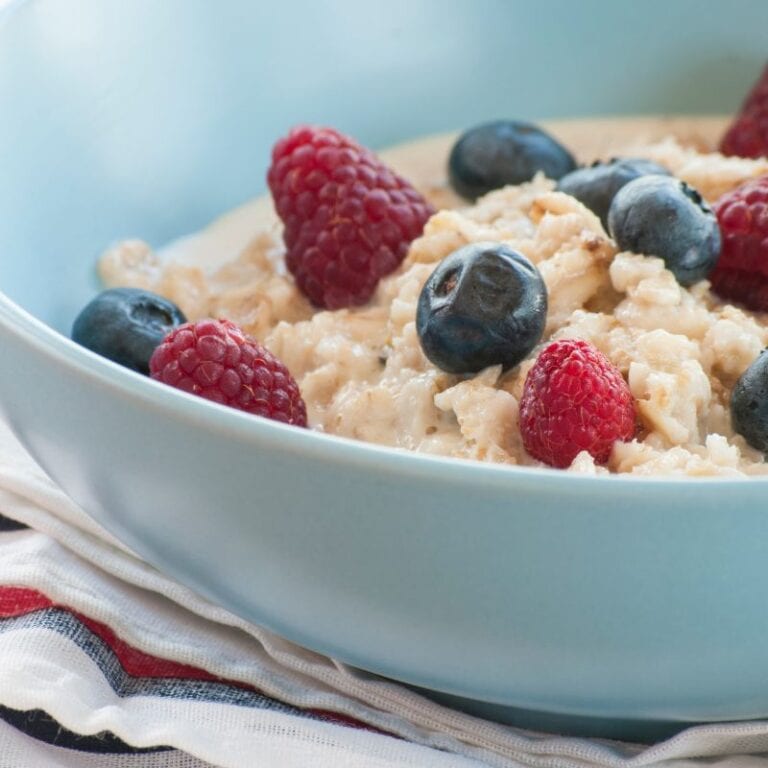
- Green apples and greener bananas may also be tolerated by some people. If you’re looking for another breakfast-friendly carbohydrate option, you may also find our article Can You Eat Oats on the Candida Diet? helpful.
- Ripe bananas are higher in natural sugars and may trigger symptoms in some people.
- During the early stages of a strict Candida cleanse, many people choose to avoid bananas temporarily.
- As symptoms improve, small portions may be reintroduced based on individual tolerance.
Estimated reading time: 14 minutes
Why Bananas Are Controversial on a Candida Diet
Bananas often cause confusion among people following a Candida diet. On one hand, they’re a whole food packed with nutrients, including potassium, vitamin B6, vitamin C, and fiber. On the other hand, they’re naturally sweet and contain carbohydrates that are eventually broken down into sugar.
Because many Candida diets focus on reducing sugar intake, some people assume bananas should be avoided completely. Others consider them a healthy food and eat them freely. The truth usually lies somewhere in the middle.
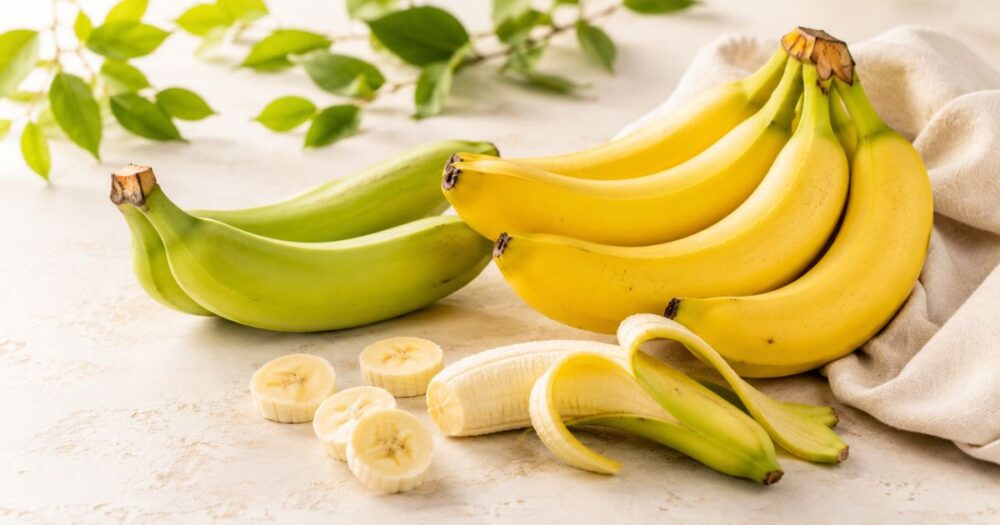
Not all bananas are the same. A green, less-ripe banana contains more resistant starch and less sugar than a fully ripe yellow banana with brown spots. As a banana ripens, some of its starch is converted into simple sugars, making it sweeter and easier to digest.
This difference matters because many people with Candida overgrowth are trying to reduce the foods that may contribute to blood sugar spikes and cravings, particularly during the early stages of a cleanse. While bananas are generally healthier than processed snacks, sugary cereals, or desserts, they may not be the best choice for everyone at every stage of recovery.
The good news is that bananas don’t have to be viewed as strictly “good” or “bad.” Whether they’re appropriate often depends on your symptoms, your stage of healing, the ripeness of the banana, and how your body responds after eating it.
That’s why it’s important to look beyond the sugar content alone and consider the bigger picture of your overall diet and gut health.
Do Bananas Feed Candida?
Technically, yes—bananas contain natural sugars and carbohydrates that are eventually broken down into glucose, which Candida can use as a fuel source. However, that doesn’t mean bananas automatically “feed” Candida in the same way that sugary drinks, desserts, candy, or highly processed foods can. If you’re trying to reduce sugar while still enjoying sweet foods and drinks, you may also find our article Best Sweeteners for the Candida Diet helpful.
The key difference is that bananas come packaged with fiber, vitamins, minerals, and other beneficial compounds that affect how quickly those sugars are absorbed. A whole banana is very different from drinking a glass of fruit juice or eating a sugary snack.
The ripeness of the banana also plays an important role. Green bananas contain more resistant starch and less sugar, while ripe bananas contain more natural sugars and less resistant starch. This means a green banana is generally less likely to cause a rapid rise in blood sugar than a very ripe banana.
For many people, the bigger concern isn’t whether a banana contains sugar—it’s whether eating bananas triggers symptoms such as cravings, bloating, fatigue, brain fog, or digestive discomfort. During the early stages of a strict Candida cleanse, some people find it helpful to limit higher-sugar fruits temporarily. Later on, as gut health improves and symptoms settle, bananas may be reintroduced in moderation. The same gradual approach often applies to other foods and drinks. If you’re wondering about alcohol, see Can You Drink Alcohol with Candida?
Rather than focusing on whether bananas “feed” Candida, it can be more helpful to consider how they fit into your overall diet. A balanced eating plan rich in vegetables, protein, healthy fats, and fiber is likely to have a much greater impact on recovery than any single food eaten occasionally.
Green Bananas vs Ripe Bananas: Which Is Better?
When it comes to the Candida diet, the ripeness of a banana can make a surprising difference.
As bananas ripen, their starches gradually convert into natural sugars. That’s why green bananas taste firmer and less sweet, while yellow bananas become softer and sweeter over time.
For people trying to reduce sugar intake during a Candida cleanse, green bananas are often the better option. They contain more resistant starch, which isn’t fully digested in the small intestine and instead travels to the colon, where it can help nourish beneficial gut bacteria.
Ripe bananas, on the other hand, contain more natural sugars and less resistant starch. While they still provide valuable nutrients, some people find that very ripe bananas trigger cravings or symptoms more easily, especially during the early stages of a cleanse.
Here’s a simple comparison:
| Banana Type | Sugar Content | Resistant Starch | Candida Diet |
|---|---|---|---|
| Green banana | Lower | Higher | Often better tolerated |
| Yellow banana | Moderate | Moderate | Depends on individual tolerance |
| Very ripe banana | Higher | Lower | Best limited during active symptoms |
This doesn’t mean ripe bananas are “bad.” Many people can enjoy them as part of a balanced diet once symptoms have improved. However, if you’re just starting a Candida cleanse or are experiencing strong cravings, digestive issues, or ongoing symptoms, choosing a greener banana—or avoiding bananas temporarily—may be a better approach.
As always, pay attention to how your body responds. Individual tolerance varies, and your own experience is often the best guide.
What About Plantains?
Plantains are closely related to bananas but are typically starchier, less sweet, and usually eaten cooked rather than raw. In many cultures, plantains are boiled, baked, or gently simmered in coconut milk as part of traditional meals. Coconut milk is often included in Candida-friendly recipes because it is naturally dairy-free and contains beneficial fats. Coconut products are also a natural source of caprylic acid, a fatty acid commonly discussed in relation to gut health and microbial balance.
Because green plantains contain more starch and less sugar than ripe dessert bananas, some people find they fit more comfortably into a lower-sugar eating plan. Like green bananas, unripe plantains also contain resistant starch, which may help support beneficial gut bacteria and digestive health.
Plantains are also a source of nutrients including potassium, magnesium, vitamin C, and phosphorus. As with any carbohydrate-rich food, portion size and individual tolerance matter. If you’re following a Candida cleanse, introducing plantains gradually and monitoring your response is often the most sensible approach.
What Is Resistant Starch and Why Does It Matter?
Resistant starch is a type of carbohydrate that “resists” digestion in the small intestine. Instead of being broken down into sugar and absorbed quickly, it passes through to the large intestine, where it becomes food for beneficial gut bacteria.
This is one reason green bananas are often viewed differently from ripe bananas. Green bananas contain significantly more resistant starch, while ripe bananas contain more simple sugars.
Why does this matter for people concerned about Candida?
A healthy gut microbiome plays an important role in maintaining balance within the digestive system. Beneficial bacteria help compete with less desirable organisms and support normal digestive function. Resistant starch acts as a prebiotic, providing nourishment for these friendly bacteria.
Potential benefits of resistant starch include:
✅ Supporting beneficial gut bacteria
✅ Promoting regular bowel movements
✅ Helping maintain healthy blood sugar levels
✅ Supporting digestive and colon health
As bananas ripen, the amount of resistant starch decreases and the amount of sugar increases. That’s why greener bananas are often preferred by people following a lower-sugar or Candida-focused eating plan.
While resistant starch isn’t a treatment for Candida overgrowth, it can be a useful part of a gut-friendly diet that supports overall digestive health and microbial balance.
When Are Bananas OK on the Candida Diet?
Whether bananas belong in your Candida diet often depends on where you are in your healing journey and how your body responds to them.
Some people do best avoiding bananas temporarily during the early stages of a strict cleanse, while others can tolerate small amounts without any noticeable symptoms.
You may want to avoid bananas if you:
- Are in the first 2–4 weeks of a strict Candida cleanse
- Experience strong sugar cravings
- Notice bloating, fatigue, brain fog, or digestive discomfort after eating them
- Are trying to stabilize blood sugar levels
- Tend to overeat sweet foods once cravings begin
You may be able to include bananas if you:
- Are past the initial cleanse phase
- Have successfully reintroduced other fruits
- Tolerate carbohydrates well
- Choose smaller portions
- Prefer greener bananas over very ripe bananas
- Feel stable and symptom-free after eating them
Many people reviewing their diet also wonder about their morning coffee. If that’s you, read our guide on Can You Drink Coffee on the Candida Diet?
It’s important to remember that healing isn’t always a straight line. Some people can enjoy a small banana with no issues, while others find that even healthy fruits trigger cravings or digestive symptoms during active Candida overgrowth.
Rather than focusing on strict rules, pay attention to your body’s signals. If bananas leave you feeling energized, satisfied, and symptom-free, they may have a place in your diet. If they consistently trigger cravings or discomfort, it may be worth waiting a little longer before reintroducing them.
Many people find that bananas are easier to tolerate when paired with protein, healthy fats, or fiber. For example, adding a few slices of banana to unsweetened coconut yogurt, a smoothie, or a handful of nuts may help slow digestion and reduce blood sugar spikes compared with eating a banana on its own.
Are Bananas Better Than Other Fruits on a Candida Diet?
Not all fruits affect the body in the same way. Some fruits are naturally lower in sugar and higher in fiber, making them a more popular choice during a Candida cleanse.
Bananas sit somewhere in the middle. They generally contain more natural sugar than berries but less sugar than many dried fruits and fruit juices. The ripeness of the banana also influences its sugar content, with greener bananas typically being the better option.
Here’s a simple comparison:
| Fruit | Sugar Level | Candida Diet |
|---|---|---|
| Berries (strawberries, raspberries, blueberries) | Lower | Often preferred |
| Green banana | Moderate | May be suitable in moderation |
| Apple | Moderate | Depends on individual tolerance |
| Ripe banana | Moderate to higher | Best introduced gradually |
| Grapes | Higher | Often limited during active symptoms |
| Dried fruit | Very high | Usually avoided during a cleanse |
| Fruit juice | Very high | Best avoided |
Berries are often considered one of the most Candida-friendly fruits because they provide fiber, antioxidants, and nutrients while being relatively low in sugar. Bananas can still have a place in a balanced diet, but portion size and timing become more important.
If you’re unsure which fruits are right for you, start with small amounts and monitor how you feel. Energy levels, cravings, digestion, and symptoms can all provide valuable clues about your individual tolerance.
The goal isn’t necessarily to avoid fruit forever. Instead, it’s about choosing fruits that support your recovery while minimizing the risk of triggering cravings or digestive discomfort.
If you’re exploring carbohydrate choices beyond fruit, you may also be interested in Can You Eat Brown Rice on the Candida Diet?
Candida-Friendly Banana Smoothie (Later Stages)
If you’re further along in your healing journey and tolerate bananas well, a simple smoothie can be a satisfying way to enjoy them while adding extra nutrients and fiber.
Ingredients
- ½ green or slightly ripe banana
- 1 cup unsweetened almond milk or coconut milk
- 1 tablespoon chia seeds or ground flaxseed
- A handful of spinach
- 1 scoop collagen peptides (optional)
- ½ teaspoon cinnamon
- A few ice cubes
Instructions
- Add all ingredients to a blender.
- Blend until smooth and creamy.
- Enjoy as a breakfast option or snack.
This smoothie provides fibre, healthy fats, and nutrients while keeping sugar levels lower than many commercial smoothies. If you’re using almond milk, choose an unsweetened variety with no added sugars or syrups. Our guide to Can You Drink Almond Milk on the Candida Diet? explains what to look for when comparing brands.
If you’re still in the early stages of a Candida cleanse, you may prefer to skip the banana and focus on lower-sugar options until symptoms improve.If you’ve recently changed your diet and aren’t sure whether your symptoms are improving or worsening, our article Candida Die-Off or Something Else? may help clarify what’s happening.
So, Can You Eat Bananas on the Candida Diet?
Yes—many people can enjoy bananas on a Candida diet, but timing, portion size, and ripeness matter.
Green bananas are generally the better choice because they contain more resistant starch and less sugar than fully ripe bananas. During the early stages of a strict Candida cleanse, some people prefer to avoid bananas temporarily while focusing on lower-sugar foods. As symptoms improve, bananas can often be reintroduced in moderation.
The most important thing is to pay attention to your body’s response. Some people tolerate bananas well, while others find they trigger cravings, bloating, or digestive discomfort. There is no one-size-fits-all answer.
Rather than viewing bananas as either “good” or “bad,” think of them as one piece of the bigger picture. A balanced diet rich in vegetables, protein, healthy fats, fiber, and minimally processed foods is likely to have a far greater impact on your recovery than any single food choice. For a broader overview of foods commonly included and avoided during a cleanse, see our Candida Diet: Complete Food List and Beginner’s Guide.
When eaten thoughtfully and at the right stage of healing, bananas can be part of a healthy, gut-supportive diet.
FAQs About Eating Bananas on a Candida Diet
Bananas contain natural sugars and carbohydrates that are eventually broken down into glucose, so technically they can provide fuel for Candida. However, whole bananas also contain fiber, vitamins, minerals, and other beneficial compounds that affect how quickly those sugars are absorbed. Green bananas are generally lower in sugar and higher in resistant starch than ripe bananas, making them a better choice for many people following a Candida diet.
In most cases, yes. Green bananas contain more resistant starch and less sugar than ripe bananas. As bananas ripen, some of their starch is converted into simple sugars, making them sweeter and potentially more likely to trigger cravings or symptoms in sensitive individuals. This is why green or slightly underripe bananas are often preferred during the later stages of a Candida cleanse.
It depends on your stage of healing and how your body responds. During the first few weeks of a strict Candida cleanse, many people choose to avoid bananas because of their natural sugar content. As symptoms improve and the diet expands, small amounts of banana may be reintroduced, particularly greener bananas that contain more resistant starch.
Compared with berries and many non-starchy fruits, bananas contain a moderate amount of natural sugar. The sugar content increases as the banana ripens. While bananas are not as sugary as candy, desserts, fruit juice, or dried fruit, they may still be best enjoyed in moderation during a Candida-focused eating plan.
Lower-sugar fruits such as strawberries, raspberries, blackberries, and blueberries are often preferred during a Candida cleanse. Green apples and greener bananas may also be tolerated by some people. Higher-sugar fruits, fruit juices, and dried fruits are often limited during the early stages of healing.
Some people find that bananas trigger cravings, bloating, fatigue, brain fog, or digestive discomfort, particularly during active Candida overgrowth. Others tolerate them without any problems. Individual responses vary, which is why it’s important to pay attention to your symptoms and introduce foods gradually.
Yes, if you’re past the strict early stages of a Candida cleanse and tolerate bananas well. Using half a green or slightly ripe banana alongside ingredients such as unsweetened almond milk, chia seeds, flaxseed, spinach, and cinnamon can help create a more balanced smoothie with less impact on blood sugar levels.
Continue Reading
Disclaimer This article is for educational and informational purposes only and is not intended to diagnose, treat, cure, or prevent any disease. The information provided reflects a naturopathic perspective on diet, gut health, and Candida overgrowth and should not be considered medical advice.
Always consult a qualified healthcare professional before making significant changes to your diet, taking supplements, or starting any new health program, especially if you are pregnant, nursing, have a medical condition, or are taking prescription medications. Individual responses to foods and dietary approaches can vary. What works for one person may not work for another. If you have concerns about your symptoms or health, seek personalized advice from a qualified healthcare provider.