
Best Probiotics for Candida Biofilms: The Science Behind the Best-Studied Strains
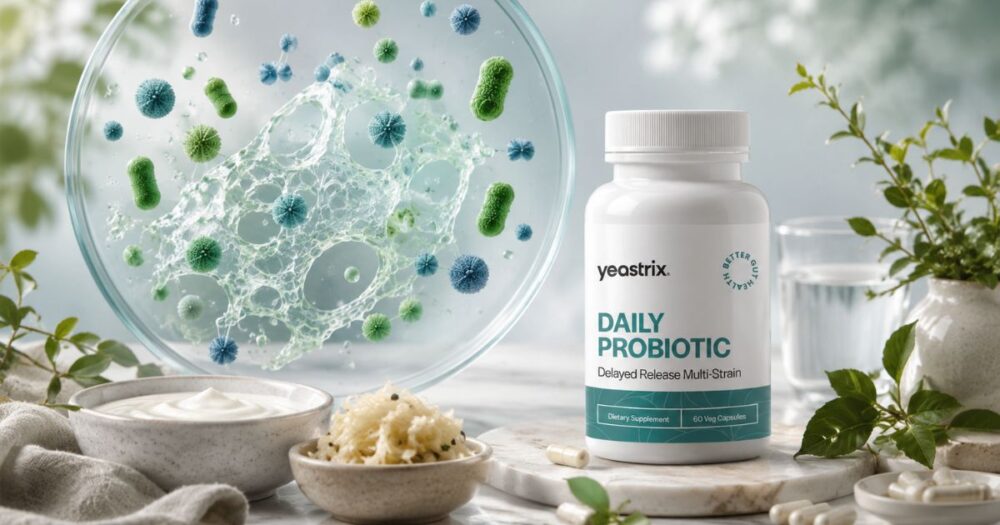
The best probiotics for Candida biofilms are those supported by high-quality scientific research rather than marketing claims alone.If you’ve been researching Candida overgrowth, you’ve probably come across the term Candida biofilms. These complex, protective communities help Candida survive by shielding it from environmental stress, the immune system, and even antifungal treatments. It’s one reason persistent or recurring Candida problems can be so frustrating.
So where do probiotics fit in?
Contrary to what some websites claim, probiotics don’t simply “dissolve” Candida biofilms overnight. Instead, research suggests that certain probiotic strains may help reduce Candida adhesion, interfere with early biofilm formation, support beneficial bacteria, and restore a healthier microbial environment. These actions may make it more difficult for Candida to establish itself while helping maintain a balanced gut microbiome.
In this guide, we’ll explore what current research says about probiotics and Candida biofilms, which strains have shown the most promise, and how probiotics may fit into a broader strategy for supporting long-term gut health.
Quick Answer:
Can probiotics help Candida biofilms?
Yes—but not in the way many people think.
Current research suggests that certain probiotic strains may interfere with the early stages of Candida biofilm development by competing for attachment sites, producing antimicrobial compounds, lowering local pH, and supporting beneficial bacteria. Rather than acting as direct biofilm-disrupting agents, probiotics appear to help create conditions that are less favourable for Candida growth while supporting a healthier gut microbiome.
For established or long-standing Candida biofilms, probiotics are generally considered one supportive component of a comprehensive gut health strategy, rather than a stand-alone solution.
In This Article
You’ll learn:
- What Candida biofilms are and why they matter
- How probiotics may influence Candida biofilms
- Which probiotic strains have the strongest scientific support
- Whether one strain is better than a multi-strain probiotic
- What probiotics can—and cannot—do for established biofilms
- How to choose a high-quality probiotic for long-term gut health
Key Takeaways
- Probiotics don’t directly “kill” Candida biofilms, but selected strains may help reduce biofilm formation and interfere with Candida adhesion.
- Species within the Lactobacillus and Bifidobacterium genera help support a balanced gut microbiome and healthy immune function.
- Multi-strain probiotics may provide broader support because different strains perform different roles within the gut ecosystem.
- Probiotics work best as part of a comprehensive strategy that may also include diet, digestive enzymes, lifestyle changes, and, where appropriate, antifungal therapies.
- Human research is encouraging, but much of the current evidence comes from laboratory and experimental studies.
Estimated reading time: 24 minutes
What Are Candida Biofilms?
A Candida biofilm is a structured community of yeast cells surrounded by a protective matrix made from sugars, proteins, lipids and extracellular DNA. Rather than existing as individual free-floating organisms, Candida cells work together inside this protective environment, allowing them to communicate, share nutrients and resist external threats.
You can think of a biofilm as a fortified neighbourhood. Instead of individual yeast cells being exposed, they’re enclosed within a sticky, self-produced barrier that helps them survive.
Researchers believe this protective matrix contributes to Candida’s persistence because it may:
- Reduce the penetration of antifungal agents
- Help Candida evade parts of the immune response
- Improve attachment to intestinal and mucosal surfaces
- Support communication between microbial cells (known as quorum sensing)
- Increase the resilience of established microbial communities
Not everyone with Candida develops problematic biofilms, and biofilms are not unique to Candida—they’re a normal survival strategy used by many bacteria and fungi. However, when Candida overgrows, biofilm formation may become one factor contributing to chronic or recurrent symptoms.
Read our complete guide to Biofilm: The Hidden Culprit in Candida Overgrowth
Why Researchers Are Interested in Probiotics
For many years, probiotics were primarily recognised for supporting digestive health and restoring beneficial bacteria after antibiotic use. More recently, researchers have begun investigating whether specific probiotic strains can also influence how Candida behaves.
Rather than directly killing Candida, probiotics appear to work through multiple complementary mechanisms, including:
- Competing with Candida for space and nutrients
- Reducing Candida’s ability to adhere to intestinal and mucosal surfaces
- Producing organic acids and antimicrobial compounds that create a less favourable environment
- Supporting a balanced gut microbiome
- Strengthening intestinal barrier function
- Helping regulate immune responses involved in maintaining microbial balance
Importantly, these effects are strain-specific. One probiotic strain may be particularly effective at reducing Candida adhesion, while another may be better at supporting the gut barrier or producing beneficial antimicrobial metabolites. This is one reason many researchers favour multi-strain formulations rather than relying on a single organism.
How Can Probiotics Influence Candida Biofilms?
Scientists now recognise that probiotics don’t work through a single mechanism. Instead, different probiotic strains appear to influence Candida in several complementary ways. Rather than directly destroying established biofilms, many probiotics help create an environment that is less favourable for Candida growth while supporting a balanced gut microbiome.
Most of this research comes from laboratory and experimental studies, with human clinical trials still developing. Nevertheless, the findings are encouraging and help explain why probiotics are increasingly included as part of comprehensive gut health protocols.
Let’s look at the main ways probiotics may influence Candida biofilms.
1. Competing for Attachment Sites
Before Candida can form a mature biofilm, it must first attach itself to a surface.
This attachment is the critical first step. Once Candida adheres to the lining of the mouth, intestines, or vaginal tract, it can begin producing the sticky extracellular matrix that eventually develops into a mature biofilm.
Many beneficial bacteria compete with Candida for these same attachment sites.
Researchers have shown that strains from several Lactobacillus species can reduce Candida’s ability to adhere to epithelial cells by occupying available binding sites first. In effect, beneficial bacteria act like early occupants, leaving fewer places for Candida to settle and establish itself.
You can think of it like arriving late to a busy car park. If all the spaces are already occupied, there’s nowhere convenient to park.
This competition for space is one of the earliest ways probiotics may help discourage Candida from becoming established.
2. Producing Natural Antimicrobial Compounds
Probiotics don’t simply occupy space—they also produce substances that help shape their surrounding environment.
Many probiotic bacteria naturally produce:
- lactic acid
- acetic acid
- hydrogen peroxide
- bacteriocins (small antimicrobial peptides)
- other antimicrobial metabolites
These compounds help maintain a healthy microbial balance and may make the local environment less favourable for Candida growth.
Lactic acid, for example, lowers pH, creating conditions that favour beneficial bacteria while making it more difficult for Candida to transition into its more invasive forms.
Certain strains of Lactobacillus species have also demonstrated the ability to inhibit Candida growth directly in laboratory studies through the production of these naturally occurring antimicrobial substances.
Importantly, these effects vary considerably between probiotic strains, highlighting why researchers often study specific strains rather than probiotics as a single group.
3. Helping Prevent the Yeast-to-Hypha Transition
Candida doesn’t always behave the same way.
Under healthy conditions it commonly exists in a rounded yeast form. However, under certain environmental conditions it can transform into long, thread-like structures called hyphae.
This transition is considered one of Candida’s major virulence mechanisms because hyphae allow the organism to:
- attach more firmly to tissues
- invade surrounding cells
- contribute to biofilm development
- trigger greater inflammatory responses
Several probiotic strains have demonstrated the ability in laboratory studies to reduce or delay this yeast-to-hypha transition.
Although researchers are still investigating exactly how this occurs, proposed mechanisms include altering local pH, producing antimicrobial metabolites, and interfering with Candida’s internal signalling pathways.
Because hyphal formation plays such an important role in mature biofilm development, limiting this transition may represent one way probiotics help support microbial balance.
4. Interfering with Microbial Communication (Quorum Sensing)
One of the most fascinating discoveries in microbiology is that microorganisms communicate with one another.
This process, known as quorum sensing, allows microbes to release and detect small signalling molecules that coordinate group behaviour.
Candida uses these chemical signals to help regulate:
- biofilm formation
- hyphal growth
- virulence
- colonisation
Researchers have found that certain probiotic bacteria may interfere with some of these signalling pathways, disrupting the communication that helps organise biofilm development.
Although this field is still emerging, quorum sensing has become an exciting area of probiotic research because it offers another way beneficial bacteria may influence Candida without directly killing it.
5. Supporting the Gut Barrier and Immune System
Healthy gut bacteria do much more than compete with unwanted microbes.
A balanced microbiome helps maintain the integrity of the intestinal barrier while supporting normal immune function.
Research suggests probiotics may contribute to:
- strengthening tight junctions between intestinal cells
- supporting mucus production
- encouraging production of beneficial short-chain fatty acids
- helping regulate inflammatory responses
- promoting microbial diversity
A healthier gut barrier may reduce opportunities for unwanted microorganisms to colonise damaged intestinal surfaces while supporting the body’s own natural defence mechanisms.
Rather than targeting Candida directly, many probiotics appear to work by improving the overall resilience of the intestinal ecosystem.
Why Different Strains Produce Different Results
One of the biggest misconceptions surrounding probiotics is that all strains work in the same way.
They don’t.
Even two strains from the same bacterial species may behave quite differently.
⭐ Species vs Strains: What’s the Difference?
It’s easy to confuse species and strains, but the distinction is important.
Think of a probiotic species like a dog breed.
Lactobacillus rhamnosus is the species.
Within that species are many individual strains, each with its own unique characteristics.
For example:
- Lactobacillus rhamnosus GG
- Lactobacillus rhamnosus GR-1
Both belong to the same species, but they don’t necessarily produce the same biological effects. That’s why high-quality research identifies the exact strain being studied whenever possible, rather than assuming all strains within a species behave the same way.
For example, one strain may be particularly effective at reducing Candida adhesion, while another produces higher levels of antimicrobial compounds or provides stronger support for intestinal barrier function.
This strain-specific behaviour explains why researchers evaluate individual probiotic strains rather than assuming all probiotics produce identical effects.
It also helps explain why many practitioners prefer broad-spectrum, multi-strain probiotic formulations. Instead of relying on a single mechanism, multiple strains may provide complementary support across several biological pathways involved in maintaining microbial balance.
Research Snapshot: Why Strain Specificity Matters
As explained above, different strains within the same species can have very different biological properties. This is why modern probiotic research focuses on individual strains rather than assuming every member of a species behaves in the same way.
Modern microbiome research consistently shows probiotic effects are strain-specific. Even bacteria belonging to the same species can behave differently, which is why high-quality studies identify the exact strain being investigated rather than simply naming the species.
Takeaway: When choosing a probiotic, strain selection is often more important than simply choosing the highest CFU count.
The Best-Studied Probiotic Species for Candida Biofilms
Research into probiotics and Candida biofilms has expanded considerably over the past two decades, with growing interest in how specific probiotic strains influence Candida behaviour rather than simply increasing bacterial numbers. While no single probiotic strain has been shown to eliminate established Candida biofilms on its own, several species have demonstrated promising activity in laboratory and experimental studies.
Different strains appear to work through different biological mechanisms. Some compete with Candida for attachment sites, while others produce antimicrobial compounds, inhibit hyphal formation, strengthen the intestinal barrier, or help restore microbial diversity following dysbiosis.
This is why researchers increasingly focus on strain-specific effects, rather than assuming all probiotics behave the same way.
Let’s look at some of the probiotic species that have attracted the greatest scientific interest.
| Species | Primary mechanism | Biofilm support |
|---|---|---|
| Lactobacillus rhamnosus (L. rhamnosus) | Adhesion competition | ⭐⭐⭐⭐⭐ |
| Lactobacillus plantarum (L. plantarum) | Barrier support + antimicrobial metabolites | ⭐⭐⭐⭐⭐ |
| Lactobacillus reuteri (L. reuteri) | Reuterin production | ⭐⭐⭐⭐ |
| Lactobacillus acidophilus (L. acidophilus) | Microbial balance | ⭐⭐⭐⭐ |
| Bifidobacterium spp. | Gut barrier & diversity | ⭐⭐⭐⭐ |
Lactobacillus rhamnosus
Among all probiotic species, Lactobacillus rhamnosus is one of the most extensively studied for supporting a healthy balance between beneficial bacteria and Candida.
Laboratory studies suggest certain strains of Lactobacillus rhamnosus may:
- reduce Candida adhesion to epithelial cells
- compete for binding sites on mucosal surfaces
- produce lactic acid and antimicrobial metabolites
- help inhibit early biofilm formation
- support normal immune function within the gut
By occupying attachment sites before Candida can establish itself, L. rhamnosus may help reduce one of the earliest stages of biofilm development.
Researchers also believe its ability to influence local pH and microbial competition contributes to its favourable effects on maintaining microbial balance.
Research Snapshot
Laboratory studies have demonstrated that several strains of Lactobacillus rhamnosus can reduce Candida adhesion and interfere with biofilm formation under experimental conditions. While human clinical research continues to evolve, it remains one of the most frequently studied probiotic species in Candida research.
Lactobacillus plantarum
Another standout probiotic is Lactobacillus plantarum, a remarkably adaptable organism found naturally in many fermented foods and within the healthy human digestive tract.
Unlike some probiotic species that primarily support digestion, Lactobacillus plantarum appears to influence several biological pathways relevant to Candida overgrowth.
Research suggests it may:
- reduce Candida adhesion
- interfere with biofilm development
- produce antimicrobial substances
- support intestinal barrier integrity
- reduce inflammatory signalling
- encourage a healthier microbial balance
Because of its ability to survive stomach acid and successfully colonise the intestine, L. plantarum has become one of the most widely researched probiotic species for gastrointestinal health.
Several studies have also demonstrated that metabolites produced by L. plantarum may inhibit Candida growth under laboratory conditions.
Research Snapshot
Experimental studies suggest that some strains of Lactobacillus plantarum may suppress Candida biofilm formation through multiple mechanisms, including microbial competition, antimicrobial metabolite production and support for intestinal barrier function.
Lactobacillus reuteri
Few probiotic species have attracted as much attention in recent years as Lactobacillus reuteri.
One reason is its ability to produce several naturally occurring antimicrobial compounds, including reuterin, a substance that has demonstrated activity against a broad range of microorganisms in laboratory studies.
Researchers believe Lactobacillus reuteri may help:
- inhibit Candida growth
- reduce biofilm formation
- support immune regulation
- maintain healthy intestinal and vaginal microbiomes
- strengthen microbial diversity
Unlike antibiotics, which often reduce both beneficial and harmful bacteria, probiotics like L. reuteri work by helping restore ecological balance within the microbiome.
Research Snapshot
Several experimental studies have demonstrated that certain strains of Lactobacillus reuteri produce antimicrobial metabolites capable of influencing Candida growth and biofilm development. Research into its role within the human microbiome continues to expand.
Lactobacillus acidophilus
For many people, Lactobacillus acidophilus is the probiotic most commonly associated with digestive health—and for good reason.
It has been investigated for decades and remains one of the best-known probiotics worldwide.
Research suggests Lactobacillus acidophilus may contribute to microbial balance by:
- producing lactic acid
- lowering intestinal pH
- competing with Candida for nutrients
- supporting beneficial bacterial populations
- assisting normal immune responses
Although no single strain provides every benefit, L. acidophilus remains an important component of many multi-strain probiotic formulations because of its long history of safe use and extensive scientific investigation.
Research Snapshot
Multiple laboratory studies have demonstrated inhibitory effects of Lactobacillus acidophilus against Candida species, particularly when used alongside other beneficial bacteria in multi-strain formulations.
What About Bifidobacterium Species?
While much of the research surrounding Candida focuses on Lactobacillus, the Bifidobacterium genus deserves equal attention.
Species such as:
- Bifidobacterium longum
- Bifidobacterium bifidum
- Bifidobacterium breve
- Bifidobacterium infantis
- Bifidobacterium lactis
play essential roles in maintaining microbial diversity and supporting gut barrier function.
Rather than acting directly against Candida, these beneficial bacteria appear to help create an intestinal environment where beneficial microbes can flourish while opportunistic organisms find it more difficult to dominate.
Research suggests Bifidobacterium species may:
- strengthen the intestinal barrier
- produce beneficial short-chain fatty acids
- regulate inflammatory responses
- support immune function
- encourage greater microbial diversity
Together with Lactobacillus species, they help form the foundation of a healthy gut microbiome.
Why Multi-Strain Probiotics Often Make More Sense
One of the most consistent themes throughout the scientific literature is that no single probiotic strain performs every function.
Each species—and often each individual strain—has unique strengths.
Some excel at competing with Candida for attachment sites.
Others produce antimicrobial compounds.
Some primarily support immune regulation.
Others help maintain the intestinal barrier or encourage microbial diversity.
This helps explain why many modern probiotic formulations combine multiple carefully selected strains rather than relying on a single organism.
A broad-spectrum probiotic may provide complementary support across several biological pathways involved in maintaining a healthy gut ecosystem.
Why We Formulated Yeastrix Daily Probiotic This Way
At Yeastrix, we formulated Daily Probiotic using the same strain-specific principles highlighted throughout this research.
Rather than relying on a single “hero” strain, it combines 17 well-researched probiotic strains from the Lactobacillus, Bifidobacterium, Streptococcus, and Lactococcus genera.
The formula also includes:
- 35 billion CFU per serving
- Delayed-release vegetarian capsules to help improve survival through stomach acid
- Shelf-stable technology requiring no refrigeration
- No FOS, making it suitable for people who may be sensitive to added fructooligosaccharides
The goal isn’t simply to add more bacteria. It’s to provide a diverse blend of beneficial microorganisms that work together to support microbial balance, digestive health, immune function, and long-term gut resilience. Because different probiotic strains perform different biological functions, we deliberately selected a diverse blend rather than relying on one or two “hero” strains.
Featured probiotic species (containing multiple researched strains) in Yeastrix Daily Probiotic
✔ Lactobacillus rhamnosus
✔ Lactobacillus plantarum
✔ Lactobacillus reuteri
✔ Lactobacillus acidophilus
✔ Lactobacillus casei
✔ Lactobacillus paracasei
✔ Five Bifidobacterium species
✔ Streptococcus thermophilus
✔ Lactococcus lactis subsp. lactis
👉 Learn more about Yeastrix Daily Probiotic and its 17 researched strains.
Can Probiotics Remove Established Candida Biofilms?
This is one of the most common questions people ask.
The short answer is:
Probably not on their own.
Current evidence suggests probiotics are unlikely to eradicate a mature Candida biofilm by themselves. Instead, they appear to play a supportive role by helping prevent new biofilms from forming, encouraging a healthier microbial environment, and assisting the body in maintaining long-term microbial balance.
Think of a mature biofilm like an established city.
The protective matrix surrounding Candida has already been built, the microbial community is well organised, and the cells communicate with one another through sophisticated signalling systems. Once this structure is established, it becomes much more difficult to disrupt than preventing it from forming in the first place.
This is why researchers increasingly view probiotics as part of a comprehensive gut health strategy, rather than a stand-alone solution for persistent Candida overgrowth.
A Multi-Pronged Approach Makes More Sense
Because Candida biofilms are complex, many practitioners take a broader approach that may include several supportive strategies working together.
Depending on individual circumstances, this may include:
- A lower-sugar, whole-food diet that supports a healthy microbiome
- Carefully selected probiotic strains
- Digestive and biofilm-supporting enzymes
- Appropriate antifungal therapies where indicated
- Supporting normal digestive function
- Addressing underlying factors that contribute to microbial imbalance
Rather than relying on any single intervention, the goal is to create an intestinal environment where beneficial microorganisms can thrive while making conditions less favourable for Candida overgrowth.
👉 Want to learn more? Read our guide to Candida Biofilms: Why Candida Keeps Coming Back (and How to Support Biofilm Disruption Naturally).
Probiotics vs Enzymes: What’s the Difference?
People often assume probiotics and enzymes do the same job.
They don’t.
Although they can complement one another, they work through very different mechanisms.
| Probiotics | Enzymes |
|---|---|
| Introduce beneficial microorganisms | Help break down specific biological compounds |
| Support microbial balance | Help digest proteins, carbohydrates and other substrates |
| Compete with Candida for attachment sites | Some enzymes are being investigated for their ability to disrupt components of biofilms |
| Support immune and gut barrier function | Support digestion and may complement broader biofilm strategies |
| Help restore microbial diversity | Work independently of live bacteria |
You can think of probiotics as helping to rebuild the neighbourhood, while enzymes may help break down some of the structures that allow unwanted microbes to persist.
Because they perform different roles, many practitioners consider them complementary rather than competing approaches.
👉 Related reading: Best Enzymes for Candida Biofilms: How They Work, What the Research Says & When to Take Them.
Can You Take Probiotics and Enzymes Together?
In many cases, yes.
Because probiotics and enzymes work differently, they’re commonly used together as part of a broader gut health programme.
A typical approach may involve:
- Taking digestive enzymes with meals to support digestion.
- Using enzymes intended for systemic or biofilm support according to the manufacturer’s directions, often away from food.
- Taking probiotics consistently to help maintain a healthy microbial balance.
Exactly when supplements should be taken depends on the specific product and your healthcare provider’s recommendations.
If you’re taking prescription medications, have a significant medical condition, or are pregnant or breastfeeding, it’s always best to seek personalised medical advice before beginning a new supplement programme.
What Should You Look for in a Probiotic for Candida Biofilms?
Not all probiotics are created equal.
When choosing a probiotic, it’s worth looking beyond the number of CFUs on the label.
Instead, consider the overall quality of the formulation.
Features worth looking for include:
✅ Multiple well-researched probiotic strains
✅ Clearly identified strains rather than simply listing species
✅ Delayed-release or acid-resistant capsules to improve survival through stomach acid
✅ Adequate CFU count from a reputable manufacturer
✅ High manufacturing standards, including cGMP facilities
✅ Shelf stability, if appropriate for the formulation
Equally important is selecting a product that complements your overall gut health strategy rather than relying on probiotics alone.
Why Strain Diversity May Matter More Than Massive CFU Counts
One of the biggest marketing trends in the probiotic industry is promoting extremely high CFU numbers.
While potency certainly matters, more isn’t always better.
Research increasingly suggests that strain selection and diversity may be just as important as the total number of live organisms.
Different probiotic strains perform different jobs.
Some primarily support immune function.
Others produce antimicrobial compounds.
Some strengthen the intestinal barrier.
Others compete directly with Candida for attachment sites.
A thoughtfully designed multi-strain formula may therefore provide broader support than relying solely on an extremely high dose of one or two bacterial strains.
For many people, consistency over time is likely to be more important than chasing the highest CFU number on the shelf.
How Probiotics May Help Reduce Candida Biofilm Formation
| How Probiotics May Support Candida Biofilms | Potential Benefit |
|---|---|
| Compete for attachment sites | May reduce Candida adhesion |
| Produce lactic acid and antimicrobial metabolites | Creates a less favourable environment for Candida |
| Help maintain gut barrier integrity | Supports intestinal resilience |
| Promote microbial diversity | Helps beneficial microbes flourish |
| Support normal immune function | Contributes to microbial balance |
Research Snapshot: What the Science Says About Probiotics and Candida Biofilms
While human clinical trials are still limited, laboratory and animal research has consistently shown that selected probiotic strains may help interfere with Candida biofilm formation, reduce adhesion to intestinal and mucosal surfaces, strengthen the gut barrier, and support a healthier microbial balance.
Here are some of the most important findings.
Lactobacillus species may interfere with Candida biofilm formation
Several laboratory studies have demonstrated that Lactobacillus species can reduce Candida adhesion and interfere with the development of fungal biofilms by producing organic acids, hydrogen peroxide, biosurfactants and other antimicrobial compounds.
Takeaway: Rather than destroying mature biofilms, probiotics appear most effective at making it more difficult for Candida to establish them in the first place.
Reference: Manzoni et al.; Chew et al.; Harriott & Noverr.
Probiotics compete with Candida for attachment sites
Candida must first attach to the intestinal or vaginal lining before forming a mature biofilm. Research suggests certain probiotic bacteria compete for these same binding sites, reducing opportunities for Candida colonisation.
Takeaway: Healthy bacteria may help occupy valuable “real estate” before Candida can establish itself.
Reference: Nature Reviews Microbiology (2019).
Beneficial bacteria produce natural antifungal compounds
Many Lactobacillus strains produce lactic acid, bacteriocins, biosurfactants and other metabolites that create an environment less favourable for Candida growth.
Several studies also suggest these compounds may influence Candida gene expression involved in virulence and biofilm development.
Takeaway: Probiotics don’t simply occupy space—they actively modify their environment.
Reference: Frontiers in Microbiology (2021).
Certain probiotic strains reduce Candida virulence
Research has shown that selected Lactobacillus strains may suppress Candida’s ability to transition into its invasive hyphal form—a key step associated with tissue invasion and biofilm maturation.
Takeaway: Supporting beneficial bacteria may help reduce some of the behaviours that make Candida more problematic.
Reference: International Journal of Oral Science (2014).
Multi-strain probiotics may provide broader support
Because different probiotic species perform different biological functions, researchers increasingly believe that combining multiple well-studied strains may provide broader microbiome support than relying on a single organism alone.
Some strains primarily support immune function, while others strengthen gut barrier integrity or produce antimicrobial metabolites.
Takeaway: Diversity may matter just as much as potency.
Reference: Frontiers in Microbiology (2021); Nature Reviews Microbiology (2019).
The gut microbiome plays a central role in Candida balance
Modern microbiome research increasingly shows that Candida exists within a complex microbial ecosystem rather than acting alone. A healthy bacterial community helps regulate fungal populations through nutrient competition, immune signalling, and production of beneficial metabolites.
Takeaway: Supporting the entire microbiome may be more important than targeting Candida alone.
Reference: mBio (2019).
Human clinical evidence continues to grow
Although much of today’s evidence comes from laboratory and experimental research, early human studies have shown encouraging results for selected probiotic strains in reducing recurrent vulvovaginal candidiasis and supporting microbial balance.
Researchers continue to investigate which probiotic strains, doses and combinations provide the greatest clinical benefit.
Takeaway: The science is promising, but larger human clinical trials are still needed.
Reference: PubMed PMID: 27087525.
Overall Research Summary
Taken together, the current body of evidence suggests probiotics are best viewed as ecological supporters rather than direct antifungal agents.
Rather than “killing Candida,” carefully selected probiotic strains appear to work by:
- Helping maintain microbial balance
- Competing with Candida for attachment sites
- Producing compounds that create a less favourable environment for yeast
- Supporting gut barrier integrity
- Helping reduce the formation of new Candida biofilms
- Complementing broader dietary and lifestyle strategies for gut health
While no probiotic should be viewed as a stand-alone treatment for Candida overgrowth, the growing body of research suggests they may play an important role as part of a comprehensive gut health programme.
Frequently Asked Questions
No.
Current research does not suggest that probiotics directly kill Candida in the same way as antifungal medications. Instead, probiotics appear to support a healthier microbial environment that may make Candida overgrowth less likely while helping restore microbial balance.
There is currently no single “best” probiotic strain. Research has shown promising results for several Lactobacillus species—including Lactobacillus rhamnosus, Lactobacillus plantarum, Lactobacillus reuteri, and Lactobacillus acidophilus—along with several Bifidobacterium species. Much of this evidence comes from studies investigating specific strains within these species. Because different strains have different biological properties, many researchers believe multi-strain formulations may offer broader support.
This varies considerably.
Some people notice improvements in digestive comfort within a few weeks, while supporting long-term microbial balance generally takes longer. Factors such as diet, medications, overall health, and the existing state of the gut microbiome all influence results.
Many practitioners use probiotics alongside antifungal therapies because they serve different purposes. While antifungal treatments aim to reduce yeast overgrowth, probiotics help support beneficial bacteria and encourage long-term microbial balance. Always follow the advice of your healthcare provider regarding timing and compatibility with prescription medications.
Research suggests probiotics may help support a healthy microbial environment and reduce factors associated with recurrent Candida overgrowth. However, maintaining long-term gut health also involves diet, lifestyle, underlying medical conditions, and addressing factors that contributed to microbial imbalance in the first place.
The Bottom Line
Probiotics are not magic bullets—but neither are they simply “good bacteria.”
Research continues to reveal the remarkable ways beneficial microorganisms interact with Candida and the wider gut microbiome. Rather than directly destroying mature biofilms, probiotics appear to work by supporting microbial diversity, competing with Candida for attachment sites, producing beneficial metabolites, strengthening the gut barrier, and helping create an environment where beneficial microbes can flourish.
The evidence also highlights an important lesson: no single strain does everything. Different probiotic strains contribute in different ways, which helps explain why thoughtfully designed multi-strain formulations have become an important part of many gut health strategies.
Combined with a nutrient-rich diet, healthy lifestyle habits, digestive support where appropriate, and guidance from a qualified healthcare professional, probiotics may play a valuable role in supporting long-term microbial balance and helping reduce the risk of recurrent Candida overgrowth.
✔ Probiotics do not directly eradicate mature Candida biofilms.
✔ Certain Lactobacillus and Bifidobacterium species, and specific strains within those species, may help reduce Candida adhesion and early biofilm formation.
✔ Multi-strain probiotics provide broader microbiome support than relying on a single strain.
✔ Probiotics work best alongside a healthy diet and a comprehensive gut health strategy.
Choosing the best probiotics for Candida biofilms isn’t about finding a miracle strain—it’s about selecting well-studied probiotic species that support a healthy, resilient microbiome.
References
Donlan, R. M., & Costerton, J. W. (2002). Biofilms: survival mechanisms of clinically relevant microorganisms. Clinical microbiology reviews, 15(2), 167–193. https://doi.org/10.1128/CMR.15.2.167-193.2002
Douglas, L. J. (2003). Candida biofilms and their role in infection. Trends in Microbiology, 11(1), 30-36. https://doi.org/10.1016/S0966-842X(02)00002-1
Finkel, J. S., & Mitchell, A. P. (2011). Genetic control of Candida albicans biofilm development. Nature Reviews Microbiology, 9(2), 109-118. https://doi.org/10.1038/nrmicro2475
Gulati, M., & Nobile, C. J. (2016). Candida albicans biofilms: Development, regulation, and molecular mechanisms. Microbes and Infection, 18(5), 310-321. https://doi.org/10.1016/j.micinf.2016.01.002
Harriott, M. M., & Noverr, M. C. (2011). Importance of Candida-bacterial polymicrobial biofilms in disease. Trends in Microbiology, 19(11), 557-563. https://doi.org/10.1016/j.tim.2011.07.004
Kovachev S. (2018). Defence factors of vaginal lactobacilli. Critical reviews in microbiology, 44(1), 31–39. https://doi.org/10.1080/1040841X.2017.1306688
Lohse, M. B., Gulati, M., Johnson, A. D., & Nobile, C. J. (2018). Development and regulation of single- and multi-species Candida albicans biofilms. Nature Reviews Microbiology, 16(1), 19-31. https://doi.org/10.1038/nrmicro.2017.107
Manzoni, P., Mostert, M., Leonessa, M. L., Priolo, C., Farina, D., Monetti, C., Latino, M. A., Gomirato, G., & Decembrino, L. (2006). Oral supplementation with Lactobacillus casei subsp. rhamnosus prevents enteric colonization by Candida species in preterm neonates: A randomized study. Clinical Infectious Diseases, 42(12), 1735-1742. https://doi.org/10.1086/504324
Matsubara, V. H., Wang, Y., Bandara, H. M. H. N., Mayer, M. P. A., & Samaranayake, L. P. (2016). Probiotic lactobacilli inhibit early stages of Candida albicans biofilm development by reducing their growth, cell adhesion, and filamentation. Applied Microbiology and Biotechnology, 100(14), 6415–6426. https://doi.org/10.1007/s00253-016-7527-3
Nobile, C. J., & Johnson, A. D. (2015). Candida albicans biofilms and human disease. Annual Review of Microbiology, 69, 71-92. https://doi.org/10.1146/annurev-micro-091014-104330
Naglik, J. R., König, A., Hube, B., & Gaffen, S. L. (2017). Candida albicans-epithelial interactions and induction of mucosal innate immunity. Current opinion in microbiology, 40, 104–112. https://doi.org/10.1016/j.mib.2017.10.030
Parolin, C., Croatti, V., Laghi, L., Giordani, B., Tondi, M. R., De Gregorio, P. R., Foschi, C., & Vitali, B. (2021). Lactobacillus biofilms influence anti-Candida activity. Frontiers in Microbiology, 12, 750368. https://doi.org/10.3389/fmicb.2021.750368
Rossi, G., Pengo, G., Caldin, M., Palumbo Piccionello, A., Steiner, J. M., Cohen, N. D., Jergens, A. E., & Suchodolski, J. S. (2014). Comparison of microbiological, histological, and immunomodulatory parameters in response to treatment with either combination therapy with prednisone and metronidazole or probiotic VSL#3 strains in dogs with idiopathic inflammatory bowel disease. PloS one, 9(4), e94699. https://doi.org/10.1371/journal.pone.0094699
Sovran, B., Planchais, J., Jegou, S., Straube, M., Lamas, B., Natividad, J. M., Agus, A., Dupraz, L., Glodt, J., Da Costa, G., Michel, M. L., Langella, P., Richard, M. L., Hansson, G. C., Cerf-Bensussan, N., & Sokol, H. (2019). Candida albicans augments chemically induced colitis through specific microbiota-dependent mechanisms. mBio, 10(6), e02307-19. https://doi.org/10.1128/mBio.02307-19
Disclaimer:The information provided in this article is for educational purposes only and is not intended to diagnose, treat, cure, or prevent any disease. While emerging research suggests that certain probiotic strains may help support microbial balance and interfere with Candida biofilm formation, probiotics should not be considered a stand-alone treatment for Candida overgrowth or fungal infections. Individual responses may vary depending on overall health, diet, medications, and underlying medical conditions.
Always consult your doctor or another qualified healthcare professional before starting any new probiotic or dietary supplement, particularly if you are pregnant, breastfeeding, immunocompromised, have a serious medical condition, or are taking prescription medications. Never delay or disregard professional medical advice because of information you have read on this website.