Can You Eat Beans and Legumes on the Candida Diet? A Complete Guide
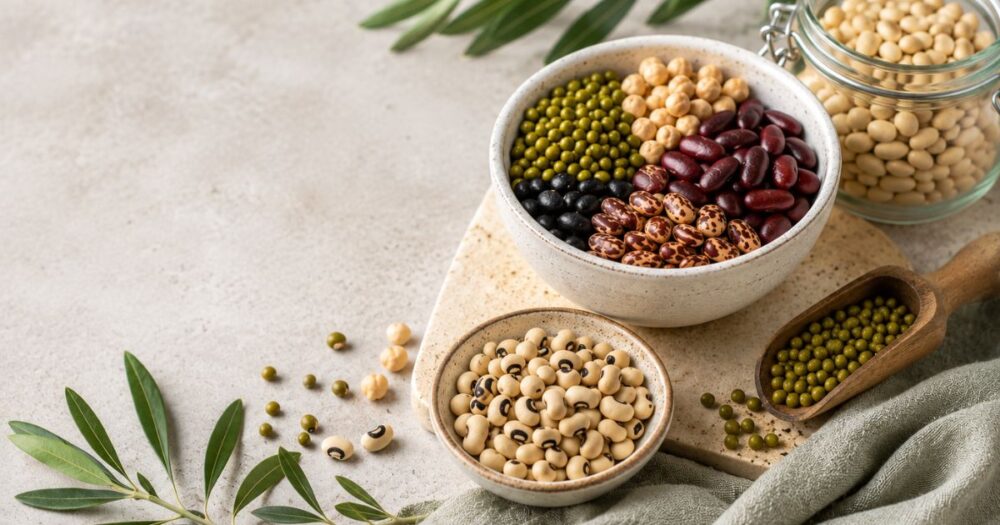
Beans are one of the most nutritious foods you can eat—but are they suitable if you’re following a Candida diet?
Some Candida diet plans recommend avoiding beans altogether because they’re relatively high in starch, while others encourage them as a valuable source of fibre and plant protein. It’s no wonder many people feel confused.
The truth is that the answer isn’t simply “yes” or “no.” Whether beans fit into a Candida-focused eating plan depends on several factors, including the type of bean, the stage of your dietary approach, and your individual digestive tolerance.
In this guide, we’ll explain why beans are sometimes limited during the early stages of a Candida diet, how they may support your gut microbiome over the longer term, and which varieties are generally considered the best choices.
Quick Answer: Can You Eat Beans on the Candida Diet?
Yes—but it depends on the type of bean, where you are in your Candida diet, and your individual digestive tolerance.
Beans are rich in fibre, plant protein, vitamins, minerals, and resistant starch that can support a healthy gut microbiome. However, because many beans are also relatively high in starch, some people choose to limit larger servings during the early stages of a Candida diet before gradually reintroducing them as digestive health improves.
Rather than avoiding beans forever, the goal is to build a balanced, sustainable eating pattern that supports both your gut microbiome and your overall health.
Key Takeaways
- Beans are rich in fibre, plant protein, vitamins, and minerals.
- Many beans also contain resistant starch that can support beneficial gut bacteria.
- Because beans contain carbohydrates, some Candida diet plans recommend limiting them during the early stages.
- Green beans are naturally lower in starch than most dried beans and are often easier to include.
- Many people gradually reintroduce legumes once digestive symptoms improve.
- The goal isn’t to avoid beans forever—it’s to build a balanced eating pattern that supports long-term gut health.
Estimated reading time: 14 minutes
Why Are Beans So Controversial on the Candida Diet?
Beans have developed a somewhat mixed reputation within the Candida community.
On one hand, they’re widely recognised as one of the healthiest plant foods available. They’re packed with dietary fibre, plant protein, folate, magnesium, potassium, and a wide range of beneficial phytochemicals.
On the other hand, dried beans and legumes are naturally higher in carbohydrates than non-starchy vegetables. Since carbohydrates are ultimately broken down into glucose, some Candida dietary approaches recommend reducing higher-starch foods during the early stages of a Candida cleanse.
This doesn’t necessarily mean beans are “bad.” Rather, it’s one reason some people temporarily prioritise lower-starch vegetables before gradually expanding their diet as their digestive health improves.
Remember that a Candida diet is generally intended as a short-term strategy rather than a lifelong list of forbidden foods.
What Nutrients Do Beans Provide?
Despite the debate surrounding carbohydrates, beans are exceptionally nutrient-dense foods.
Most varieties provide:
- Dietary fibre
- Plant-based protein
- Resistant starch
- Folate
- Magnesium
- Iron
- Potassium
- Polyphenols and other beneficial plant compounds
Together, these nutrients support digestive health, satiety, healthy blood sugar management, and overall wellbeing.
For many people, legumes become an important part of a varied, fibre-rich diet once they begin broadening their food choices beyond the initial stages of a Candida-focused eating plan.
Why Are Beans Sometimes Limited on a Candida Diet?
If beans are so nutritious, why do some Candida diet plans recommend limiting them?
The main reason is their carbohydrate content.
Most dried beans and legumes contain complex carbohydrates and starches that are broken down into glucose during digestion. While these carbohydrates are an important source of energy and come packaged with valuable fibre, some practitioners recommend temporarily reducing higher-starch foods during the early stages of a Candida diet as part of a broader strategy to lower overall sugar and refined carbohydrate intake.
The emphasis here is on temporary. A Candida diet isn’t designed to eliminate nutritious foods indefinitely. Instead, it’s often used as a short-term approach that prioritises non-starchy vegetables, quality proteins, healthy fats, and other whole foods before gradually expanding the diet.
It’s also important to remember that not all beans are the same. Green beans, for example, are botanically legumes but are eaten as a non-starchy vegetable and contain far less starch than dried beans such as kidney beans, black beans, or chickpeas.
Ultimately, whether beans are appropriate depends on your individual health goals, digestive tolerance, and where you are in your Candida diet journey.
Are Beans Good for Your Gut Microbiome?
Although beans are sometimes limited during the early stages of a Candida diet, they are widely recognised as one of the most beneficial foods for supporting a healthy gut microbiome.
Beans and legumes are naturally rich in dietary fibre and resistant starch—types of carbohydrates that aren’t fully digested in the small intestine. Instead, they reach the large intestine, where they become food for beneficial gut bacteria.
As these bacteria ferment fibre and resistant starch, they produce compounds known as short-chain fatty acids (SCFAs), including butyrate, acetate, and propionate. These compounds help nourish the cells lining the colon, support the gut barrier, and contribute to a healthy digestive environment.
Research suggests that regularly eating legumes may help increase the abundance of beneficial bacteria such as Bifidobacterium and support a more diverse gut microbiome. A diverse microbiome is generally associated with better digestive health and overall wellbeing.
For this reason, many people gradually reintroduce beans after the initial stages of a Candida diet. Rather than viewing them as foods to avoid forever, it may be more helpful to think of beans as nutrient-rich foods that can play an important role in long-term gut health once they are well tolerated.
If you’re interested in supporting your gut microbiome, it’s also worth remembering that diet is only one piece of the puzzle. Regular physical activity, quality sleep, stress management, and eating a wide variety of fibre-rich foods all contribute to a healthier gut ecosystem.
Which Beans Are Best on the Candida Diet?
Not all beans contain the same amount of starch or fibre, so some are generally easier to include than others.
The table below provides a general guide. Individual tolerance varies, so it’s always best to introduce new foods gradually and pay attention to how your body responds.
| Bean or Legume (Including Lentils & Chickpeas) | Early Stages of a Candida Diet | Later Stages | Why? |
|---|---|---|---|
| Green beans | Commonly included | Commonly included | Technically a legume, but eaten as a non-starchy vegetable and naturally low in starch. |
| Lentils | Small portions may suit some people | Commonly included | Rich in fibre, plant protein, and resistant starch; often one of the first legumes reintroduced. |
| Chickpeas | Introduce gradually | Commonly included | Nutritious and filling but higher in starch than non-starchy vegetables. |
| Black beans | Introduce gradually | Commonly included | Excellent source of fibre, protein, and antioxidants; best reintroduced according to individual tolerance. |
| Kidney beans | Introduce gradually | Commonly included | High in fibre and nutrients but also relatively rich in starch. |
| Cannellini beans | Introduce gradually | Commonly included | Mild-flavoured white beans that provide fibre, folate, and plant protein. |
| Pinto beans | Introduce gradually | Commonly included | Nutritious legumes that fit well into a balanced diet once tolerated. |
| Navy beans | Introduce gradually | Commonly included | High in soluble fibre and commonly used in soups and stews. |
| Adzuki beans | Introduce gradually | Commonly included | Small beans rich in fibre and minerals; enjoy in moderation as part of a varied diet. |
Note: Individual tolerance varies. Some people prefer to limit larger servings of higher-starch legumes during the early stages of a Candida diet, while others tolerate them well. A Candida diet is generally intended as a temporary strategy, with foods gradually reintroduced as digestive health improves.
Chickpeas on the Candida Diet
Chickpeas (also called garbanzo beans) are one of the most popular legumes in the world and are an excellent source of dietary fibre, plant protein, folate, iron, magnesium, and other beneficial nutrients. They also contain resistant starch, a type of carbohydrate that helps nourish beneficial gut bacteria and supports a healthy gut microbiome.
Because chickpeas are higher in carbohydrates than non-starchy vegetables, some people following the early stages of a Candida diet prefer to limit larger servings while focusing on lower-starch foods. However, this doesn’t mean chickpeas need to be avoided indefinitely.
For many people, chickpeas can be gradually reintroduced as digestive health improves. Starting with a small serving and pairing them with lean protein, healthy fats, and plenty of non-starchy vegetables may help support stable blood sugar levels while increasing overall fibre intake.
If you’re using canned chickpeas, choose varieties without added sugar or sweet sauces, and rinse them thoroughly before eating to remove excess sodium.
Chickpeas are versatile and can be enjoyed in many Candida-friendly meals, including:
- Salads
- Vegetable soups
- Curries
- Roasted as a crunchy snack
- Homemade hummus made with chickpeas, tahini, olive oil, garlic, and lemon juice
For many people, chickpeas become a valuable long-term addition to a balanced, fibre-rich eating pattern that supports gut health.
Can You Eat Lentils on the Candida Diet?
Lentils are one of the most nutritious legumes you can include in your diet. They’re naturally rich in dietary fibre, plant protein, folate, iron, magnesium, and resistant starch, making them an excellent food for supporting overall digestive health and a healthy gut microbiome.
Like other dried legumes, lentils contain more carbohydrates than non-starchy vegetables. For this reason, some people following the early stages of a Candida diet choose to limit larger servings while focusing on lower-starch foods. However, this doesn’t mean lentils need to be avoided permanently.
For many people, lentils are one of the first legumes to be gradually reintroduced as digestive health improves. Start with a small serving and combine them with lean protein, healthy fats, and plenty of non-starchy vegetables to create a balanced meal.
Different varieties can all be enjoyed as part of a healthy eating pattern, including:
- Brown lentils
- Green lentils
- French (Puy) lentils
- Black (Beluga) lentils
- Red lentils for soups and curries
Cooked lentils work well in soups, salads, casseroles and vegetable-based meals. If using dried lentils, rinse them well before cooking. While lentils generally don’t require the lengthy soaking that many dried beans do, some people find soaking improves digestibility.
For most people, lentils become an excellent long-term source of fibre and plant protein once they are well tolerated as part of a balanced Candida-friendly diet.
Tips for Eating Beans on a Candida Diet
If you decide to include beans as part of your Candida-friendly eating plan, a few simple strategies may help improve digestibility and make it easier to assess your individual tolerance.
Start with Smaller Portions
If you’ve been following a low-carbohydrate or low-starch eating plan, begin with a small serving rather than a large bowl of beans. This gives your digestive system time to adjust and allows you to monitor how your body responds.
Choose Whole Beans Over Processed Products
Whole cooked beans are generally a better choice than heavily processed bean products, which may contain added sugars, refined starches, preservatives, or other ingredients that don’t align with a whole-food approach.
Soak and Cook Dried Beans Properly
Soaking dried beans before cooking helps reduce naturally occurring compounds such as phytates and some oligosaccharides that can contribute to digestive discomfort in sensitive individuals. Thorough cooking also improves digestibility.
If you’re using canned beans, choose varieties with no added sugar or sauces and rinse them well under running water before eating.
Pair Beans with Fibre-Rich Vegetables and Protein
Rather than eating beans on their own, combine them with non-starchy vegetables, healthy fats, and quality protein sources.
For example:
- Lentil and vegetable soup
- Chickpeas tossed through a leafy green salad
- Black beans served alongside grilled chicken and roasted vegetables
- Cannellini beans added to a homemade vegetable soup
Balanced meals help support steady energy levels while increasing your overall intake of fibre and nutrients.
Listen to Your Body
No two people respond to foods in exactly the same way.
If you’re gradually reintroducing foods after the initial stages of a Candida diet, keeping a simple food and symptom diary can help identify patterns over time. Remember that occasional digestive symptoms can have many possible causes and aren’t necessarily related to Candida.
Research Snapshot
Recent reviews suggest that legumes can support gut health by increasing dietary fibre intake and providing resistant starch, which is fermented by beneficial gut bacteria into short-chain fatty acids such as butyrate. While these findings support the role of legumes in a healthy diet, research has not specifically shown that eating beans treats Candida overgrowth. Decisions about including beans during a Candida diet should be based on individual tolerance, overall dietary pattern, and guidance from a qualified healthcare professional where appropriate.
Frequently Asked Questions
Chickpeas are nutritious legumes that provide fibre, plant protein, and important vitamins and minerals. Because they also contain starch, some people choose to limit them during the early stages of a Candida diet before gradually reintroducing them in moderate portions.
Yes. Lentils can usually be included on a Candida diet, although some people choose to limit larger servings during the early stages because they contain more carbohydrates than non-starchy vegetables. Rich in fibre, plant protein and resistant starch, lentils are often one of the first legumes gradually reintroduced as digestive health improves.
Yes. Green beans are quite different from dried beans because they’re harvested while immature and are eaten as a vegetable rather than a dried legume. They are naturally lower in starch and are commonly included in Candida-friendly meal plans.
Yes, provided you choose varieties without added sugar or sweet sauces. Rinsing canned beans before eating helps remove excess sodium and some of the liquid used during processing.
Traditional hummus is made from chickpeas, tahini, olive oil, garlic, and lemon juice. Homemade hummus without added sugar generally fits well into a Candida-friendly eating plan, particularly after the initial stages. Some commercially prepared hummus products may contain added sugars, preservatives, or unnecessary additives, so it’s worth checking the ingredient list. As with chickpeas themselves, enjoy hummus in moderation according to your individual tolerance.
This is one of the most common questions people ask, but the answer isn’t straightforward.
Beans contain carbohydrates that are broken down into glucose during digestion, which is why some Candida diet plans recommend limiting them initially. However, beans also provide dietary fibre, resistant starch, and other nutrients that support beneficial gut bacteria and long-term gut health.
Rather than thinking of beans as foods that either “feed” or “fight” Candida, it’s more helpful to consider how they fit into your overall dietary pattern and stage of recovery.
Research suggests that regularly eating legumes may support a healthy gut microbiome by providing fibre and resistant starch that beneficial bacteria ferment into short-chain fatty acids. These compounds help nourish the cells lining the colon and contribute to a healthy digestive environment.
For many people, beans become an excellent addition to a balanced, fibre-rich diet once they’re well tolerated.
Final Thoughts
Beans are one of nature’s most nutritious foods, providing an impressive combination of fibre, plant protein, vitamins, minerals, and beneficial plant compounds. While some people choose to limit higher-starch legumes during the early stages of a Candida diet, this doesn’t mean they need to be avoided forever.
As your diet becomes more varied and your digestive health improves, beans can often be reintroduced gradually as part of a balanced eating pattern that supports a healthy gut microbiome.
Remember that no single food determines the success of a Candida diet. Long-term gut health is more likely to be influenced by your overall dietary pattern, lifestyle habits, sleep, stress management, and regular physical activity than by any one ingredient alone.
If you’re building a Candida-friendly eating plan, our Candida Diet: Complete Food List and Beginner’s Guide is a great place to start. You may also find these related food guides helpful:
References
Özdemir, A., & Buyuktuncer, Z. (2025). Dietary legumes and gut microbiome: A comprehensive review. Critical Reviews in Food Science and Nutrition, 65(28), 5956–5970. https://doi.org/10.1080/10408398.2024.2434725
Mukhopadhya, I., & Louis, P. (2025). Gut microbiota-derived short-chain fatty acids and their role in human health and disease. Nature Reviews Microbiology, 23, 635–651. https://doi.org/10.1038/s41579-025-01183-w
Sanz, Y., Cryan, J. F., Deschasaux-Tanguy, M., Elinav, E., Lambrecht, R., Veiga, P., et al. (2025). The gut microbiome connects nutrition and human health. Nature Reviews Gastroenterology & Hepatology, 22, 534–555. https://doi.org/10.1038/s41575-025-01077-5
Mudryj, A. N., Yu, N., & Aukema, H. M. (2020). A systematic review of the effect of dietary pulses on microbial populations inhabiting the human gut. Beneficial Microbes, 11(5), 457–468. https://doi.org/10.3920/BM2020.0038
Slavin, J. (2013). Fiber and prebiotics: Mechanisms and health benefits. Nutrients, 5(4), 1417–1435. https://doi.org/10.3390/nu5041417
Sanders, M. E., Merenstein, D. J., Reid, G., Gibson, G. R., & Rastall, R. A. (2019). Probiotics and prebiotics in intestinal health and disease: From biology to the clinic. Nature Reviews Gastroenterology & Hepatology, 16(10), 605–616. https://doi.org/10.1038/s41575-019-0173-3
Disclaimer
This article is intended for educational and informational purposes only and should not be considered medical advice. Every person is different, and dietary needs may vary depending on individual health conditions and medical history.
If you have persistent digestive symptoms, diabetes, kidney disease, food allergies, or any other underlying health condition, consult your healthcare provider or a qualified nutrition professional before making significant dietary changes.
The information provided is not intended to diagnose, treat, cure, or prevent any disease. Always seek professional medical advice regarding any health concerns or before starting a new dietary or supplement programme.