Balanitis vs Yeast Infection: How to Tell the Difference (And Why It Matters)

Quick Answer
Balanitis is inflammation of the head of the penis and can be caused by irritation, bacteria, skin conditions, or fungal infections. A male yeast infection (Candida balanitis) is one specific type of balanitis caused by an overgrowth of Candida yeast. Although the symptoms can look very similar, identifying the underlying cause is important because treatment and prevention may differ.
The good news is that both balanitis and Candida balanitis are usually treatable once the underlying cause has been identified.
Understanding the Difference
Redness, itching, soreness, or irritation around the head of the penis can be uncomfortable and worrying. One of the most common questions men ask is whether they’re dealing with balanitis or a yeast infection. While the two conditions often share similar symptoms, they’re not always caused by the same thing. Understanding the difference can help you choose appropriate treatment, reduce irritation, and know when it’s time to seek medical advice.
Research Highlights
Balanitis affects approximately 3–11% of males at some point in their lives.
Candida albicans is one of the most common infectious causes of balanitis, particularly in men with diabetes or those who are uncircumcised.
Good hygiene, managing underlying risk factors, and appropriate treatment can reduce the risk of recurrence.
Key Takeaways
- Balanitis is inflammation of the head of the penis and has several possible causes.
- Candida balanitis is a fungal infection caused by an overgrowth of Candida yeast.
- Symptoms such as itching, redness, swelling, and discharge can overlap, making diagnosis challenging.
- Identifying the underlying cause helps guide appropriate treatment and reduce the risk of recurrence.
- Persistent or recurring symptoms should be assessed by a healthcare professional.
Estimated reading time: 6 minutes
New to male Candida? Start with our guide to Can Males Get Yeast Infections?, which explains symptoms, common causes, risk factors, and natural ways to support recovery.
Comparison Table
| Feature | Balanitis | Candida Balanitis (Male Yeast Infection) |
|---|---|---|
| What it is | Inflammation of the head of the penis (glans) | A type of balanitis caused by an overgrowth of Candida yeast |
| Common causes | Irritation, friction, bacteria, skin conditions, or fungi | Candida overgrowth, often encouraged by warm, moist conditions |
| Itching | Sometimes | Common |
| Appearance | Red, swollen, shiny, or sore skin | Red rash, itching, sometimes with small satellite spots |
| Discharge | May be absent or mild | Often white, moist, or clumpy under the foreskin |
| Odour | Usually none, unless bacterial | May have a mild yeasty odour |
| Treatment | Depends on the underlying cause | Antifungal treatment and addressing contributing factors |
What Is Balanitis?
Balanitis is inflammation of the glans (head of the penis). It can appear red, irritated, swollen, or sore.
It’s not always caused by yeast — it can also be triggered by:
- Friction or sweat
- Soap or product irritation
- Bacterial imbalance
- Skin conditions like eczema
- Tight foreskin (phimosis)
Common symptoms of Balanitis
- Redness or irritation on the glans
- A swollen, shiny, inflamed appearance
- Soreness or rawness
- Sensitivity to touch
- Mild discharge or odour (depending on cause)
What Is a Yeast Infection? (Candida Balanitis)
A yeast infection in men happens when Candida overgrows on the skin — especially in warm, moist, fold areas such as beneath the foreskin.
This is also called Candida balanitis, fungal balanitis, or male thrush.
Risk factors include recent antibiotic use, diabetes, being uncircumcised, reduced immune function, and prolonged moisture beneath the foreskin.
Common male yeast infection symptoms
- Itching or burning
- Red, irritated patches
- Moist, white, or clumpy discharge under the foreskin
- A yeasty or “bread-like” smell
- Red rash with small satellite bumps
- Pain during sex or urination
Why the Difference Matters
Although balanitis and Candida balanitis can look very similar, they’re not always treated the same way. Irritant or bacterial balanitis may require a different approach than a fungal infection, which is why identifying the underlying cause is important.
Misdiagnosis is common. Many men treat yeast infections as simple irritation, or treat irritation as a fungal infection, only to have symptoms keep returning.
Knowing the difference can help you:
• Choose the most appropriate treatment
• Reduce unnecessary irritation
• Help prevent recurring symptoms
• Identify possible underlying causes
• Know when to seek medical advice
Natural Support Options
Topical creams may help relieve symptoms, but if the problem keeps coming back, it’s worth looking at possible underlying factors that may be contributing.
Here’s a gentle, natural way to support healing at home.
Natural Treatments
1. Keep the area dry
Gently dry after showers, and avoid staying in sweaty clothing.
2. Switch to fragrance-free care
Avoid scented soaps, wipes, and body washes — they irritate the glans.
3. Wear loose, breathable cotton underwear
Especially helpful for uncircumcised men.
4. Reduce high-sugar foods
Sugar fuels Candida overgrowth.
5. Improve gut balance
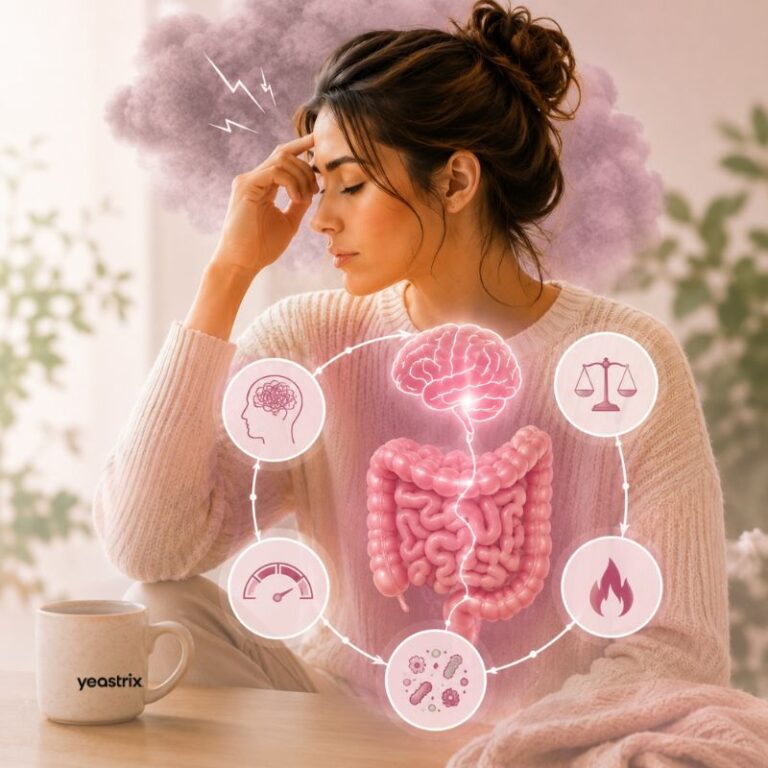
Some men with recurring Candida infections may also have underlying factors such as recent antibiotic use, diabetes, immune changes, or gut microbial imbalance. Supporting overall gut health may be one part of a broader strategy for reducing the risk of recurrence.
Why Gut Imbalance Plays a Major Role
Some men with recurring Candida infections may have underlying factors that contribute to repeated episodes, including gut microbial imbalance, recent antibiotic use, diabetes, or reduced immune function. Supporting overall gut health may be one part of a broader approach to long-term prevention.
This is where the Yeastrix naturopathic approach focuses on supporting the body from the inside out.
Supporting Recovery from the Inside Out
Some men with recurring Candida infections may have underlying factors that contribute to repeated episodes, including gut microbial imbalance. Supporting gut health may be one part of a broader strategy for reducing the risk of recurrence.
The Yeastrix Gut Restore Kit combines three complementary products designed to support healthy yeast balance, digestion, and a diverse gut microbiome:
- Yeastrix Candida Cleanse — supports healthy yeast balance.
- Yeastrix Active Enzymes — supports digestion and helps break down yeast biofilms.
- Yeastrix Daily Probiotic — supports microbial diversity and long-term gut health.
💡 Rather than focusing only on temporary symptom relief, this approach aims to support the underlying gut environment as part of an overall wellness strategy.
When to Seek Help
Men should get checked if symptoms come with:
- Severe swelling
- Difficulty retracting the foreskin
- Cracking or bleeding skin
- Severe burning during urination
- Fever or spreading redness
- Suspected STI exposure
- Diabetes or high blood sugar
Frequently Asked Questions About Balanitis vs Yeast Infection
Yes — when Candida overgrows under the foreskin, it can cause Candida balanitis, also known as male yeast infection.
Sometimes mild cases improve with dryness and reduced irritation, but recurring infections suggest deeper imbalance.
Sex doesn’t cause the infection, but friction, lubrication, and partner imbalance can trigger symptoms.
Irritant-based or bacterial balanitis is not. Yeast-related balanitis can contribute to partner imbalance, especially if symptoms repeat.
With proper support, mild cases improve within a few days. Recurring or severe cases may take longer to resolve and can sometimes be linked to underlying factors such as diabetes, persistent Candida overgrowth, skin conditions, or other medical issues that should be assessed by a healthcare professional.
Disclaimer:This article is for educational purposes only and is not a substitute for professional medical advice. If you have severe symptoms, ongoing pain, or concerns about infection, please speak with a qualified healthcare provider.