Clove for Candida: Benefits, Research, and Natural Gut Health Support
Clove for Candida: Potent, Targeted, and Time-Tested
Clove has been valued for centuries in traditional herbal medicine and is now being studied for its natural antifungal properties. Today, it’s one of the best-known botanicals used to support digestive and gut health.
Its primary active compound, eugenol, has been widely studied for its antimicrobial and antifungal properties — particularly against Candida albicans. That’s why clove is a key ingredient in the Yeastrix Candida Cleanse — especially for people dealing with chronic yeast and parasite imbalances.
If you’re new to this topic, it helps to understand what Candida overgrowth is, why it develops, and how restoring gut health may help support long-term microbial balance.
🧪 Research Snapshot
Laboratory research suggests that eugenol, the main active compound in clove, has antifungal activity against Candida albicans. Studies have also explored its potential to disrupt biofilms and support a balanced microbial environment. While these findings are promising, much of the research has been conducted in laboratory settings, and more human studies are needed.
Key Takeaways
- Clove contains eugenol, a natural compound that has been studied for its antifungal activity against Candida albicans.
- Research suggests eugenol may help disrupt Candida cell membranes and biofilms, although more human studies are needed.
- Clove has traditionally been used to support healthy digestion and may help relieve occasional gas and bloating.
- Clove is generally considered safe when used as directed, but if you’re pregnant, breastfeeding, or taking blood-thinning medication, consult your healthcare provider before use.
- Clove is one of 14 carefully selected ingredients in Yeastrix Candida Cleanse, where it works alongside other botanicals to support digestive and gut health.
Estimated reading time: 7 minutes
What Is Clove?
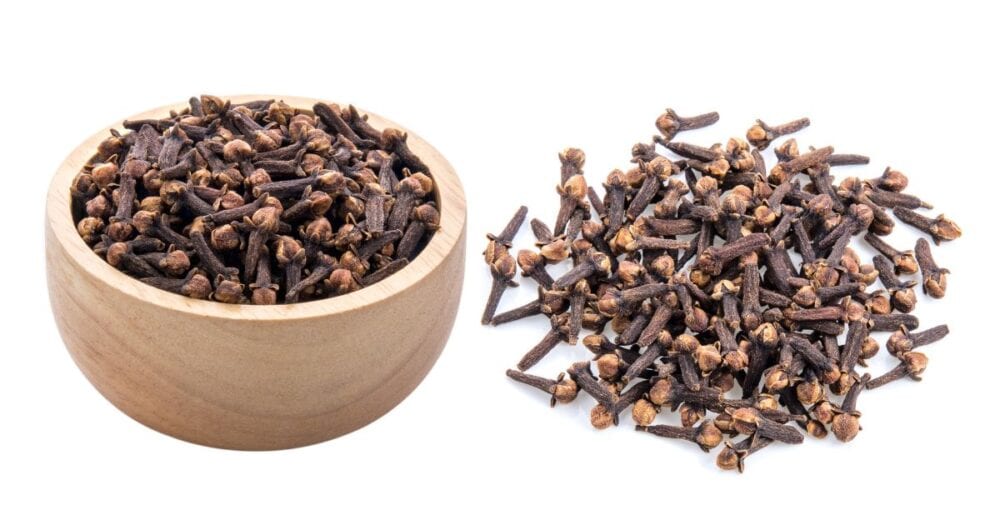
Clove (Syzygium aromaticum) is the dried flower bud of a tree native to Indonesia. It’s been used in Ayurvedic and traditional Chinese medicine for thousands of years.
One of clove’s best-studied natural compounds is eugenol— a natural oil with proven antifungal, antibacterial, and anti-inflammatory effects.
Clove oil is even used in dental care because of its antimicrobial strength and natural numbing effect — it’s that potent.
Curious about the other herbs and natural compounds used to support gut health? Explore our complete guide to the ingredients in Yeastrix Candida Cleanse and learn how each one contributes to a comprehensive botanical formula.
How Does Clove Help with Candida?
1. Antifungal Activity
Eugenol is the primary active compound in clove and has been studied extensively for its antimicrobial properties. Laboratory research suggests it has antifungal activity against Candida albicans, where it appears to interfere with the yeast’s protective cell membrane. By disrupting the integrity of the cell membrane, eugenol may make it more difficult for Candida to grow and survive. While much of this research has been conducted in laboratory settings, it helps explain why clove has been used traditionally to support microbial balance.
2. Biofilm Support
Candida can produce biofilms—protective layers that help shield yeast cells from their environment. These biofilms may make yeast more difficult to manage and are an active area of scientific research.
Studies suggest that eugenol may help disrupt biofilm formation, potentially making Candida cells more vulnerable. This is one reason clove is often combined with other botanical ingredients in comprehensive gut health formulas.
3. Traditional Herbal Uses
For centuries, clove has been used in traditional herbal medicine as part of cleansing protocols. It has often been combined with herbs such as black walnut and wormwood to support digestive health and help maintain a balanced intestinal environment.
Although modern research continues to investigate these traditional uses, clove remains a valued botanical because of its broad range of naturally occurring plant compounds.
4. Digestive Comfort
Beyond its antimicrobial properties, clove has long been valued for its soothing effects on the digestive system. As a carminative herb, it may help relieve occasional gas, bloating, and digestive discomfort by supporting normal digestive function.
For people making dietary changes or following a gut health programme, ingredients that promote digestive comfort can be a valuable addition alongside a balanced diet and healthy lifestyle.
Why We Included Clove in Yeastrix Candida Cleanse
Clove is a small but mighty part of the Yeastrix blend. While other ingredients such as berberine and caprylic acid have also been studied for their ability to support a healthy microbial balance, clove complements the formula by helping support:
- Disrupting yeast and biofilms
- Targeting parasites
- Supporting digestive comfort
- Enhancing the effects of other antifungal herbs
And because it’s gentle on the gut when used correctly, it fits beautifully into a long-term yeast support protocol.
Is Clove Safe to Use?
Yes — clove is considered very safe when used in proper doses. It’s been used for generations in food and medicine.
Still, a few things to keep in mind:
- Avoid in large doses during pregnancy
- Very high doses of clove oil (not whole clove) can irritate the gut — but standardized extracts are safer
- Those on blood thinners should use caution, as eugenol can slightly thin the blood
In the Yeastrix Candida Cleanse formula, we use clove in a gentle, effective amount that works synergistically with other ingredients.
Frequently Asked Questions
Clove has been traditionally used to support digestive health and has been studied for its natural antifungal properties. Laboratory research suggests that eugenol, the main active compound in clove, has activity against Candida albicans. While these findings are promising, more human studies are needed to better understand its role in supporting people with Candida overgrowth.
No. Whole clove is the dried flower bud of the clove tree, while clove oil is a concentrated extract that contains much higher levels of eugenol. Because clove oil is highly potent, it should only be used as directed. Whole clove and standardized clove extracts are generally better suited for use in dietary supplements.
Cloves used in cooking are a wonderful culinary spice and contribute flavour to many dishes. Dietary supplements, however, contain carefully measured amounts of clove or standardized extracts, making it easier to deliver a consistent amount of key plant compounds such as eugenol.
We include clove in Yeastrix Candida Cleanse because it complements the other botanical ingredients in the formula. Clove provides natural digestive support and has been studied for its antifungal properties, making it a valuable part of our carefully selected blend of herbs and natural compounds designed to support gut health.
Final Thoughts
Clove has earned a long history of use in traditional herbal medicine and continues to attract scientific interest for its natural antimicrobial properties. Combined with a healthy diet and lifestyle, it can play a valuable role in supporting digestive and gut health.
If you’re looking for a comprehensive herbal formula featuring clove alongside other carefully selected botanicals, Yeastrix Candida Cleanse combines 14 ingredients traditionally used to support digestive and gut health.
Disclaimer: This article is intended for educational and informational purposes only and is not a substitute for professional medical advice, diagnosis, or treatment. Always consult with a qualified healthcare provider before starting any new treatment or supplement, especially if you have a pre-existing medical condition or are taking medication. The recommendations here reflect a naturopathic approach and are not meant to replace conventional care when it is required. Individual results may vary.